Author: ISA NCB

  • Cities That Can’t Breathe: The Waste Crisis Behind Urban Growth

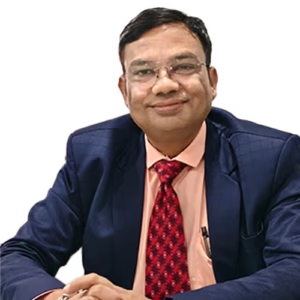
    Dr. Chetana Makade, Dr. Sachin Makade

    “A city grows not only by what it builds, but by what it chooses to discard.”

    Dr. Sachin Makade

    President, ISA NCB – 2025-26
    MD (Anaesthesiology)
    Senior Consultant Anaesthesiologist
    Seven Star Hospital, Nagpur
    Rahate Surgical Hospital, Nagpur
    Introduction

    “Manual Scavenging Still Continues Across Maha: Safai Panel Chief Admits After Butibori Deaths” recently this headline of Times of India of Nagpur city stuck the cord of many responsible citizens forcing to go to the roots of this cause as the workers were forced to scavenge the blocked drainage systems.

    India is witnessing the formation of most densely populated megacities where management of  wastes, both municipal solid waste (MSW) and industrial hazardous waste (IHW), has become a very critical issue. According to recent reports from research MSW generation per capita is increasing in all the top 10 populated cities of the country. In terms of growth of MSW generation, the city Surat and Delhi grew alarmingly at the rate of 2172% and 1036%, respectively, during the period 1971 to 2015.

    Urbanization is often regarded as a hallmark of development. Modern urban cities are lucrative for its glittering buildings, composite job opportunities for aspiring youths, industrialization symbolizing economic progress. In addition, cities provide excellent access to standard educational institutions, healthcare facilities, and enhance overall standards of living. According to global demographic trends, urban populations continue to rise steadily, creating megacities with millions of inhabitants increased consumption of packaged foods, disposable products, plastic materials, electronic gadgets, construction materials, and household waste contributing significantly to rising waste generation.

    Challenges of urbanization

    The exponential expansion of boundaries of cities have transformed them to a hub of dark reality of crisis of waste management resulting in overflowing landfills, polluted waterbodies, blocked drainage systems, contaminated groundwater, toxic air, posing risk to public health. If the issue not addressed  timely this progress of environmental emergency is posing threat to all living beings.

    Global demograhic trends reports it to be a vicious cycle following population growth in urban cities which has increased varied waste generation owing to inadequate disposal systems. Municipal corporations often struggle with insufficient waste collection systems, inadequate landfill capacity, weak recycling mechanisms, and poor public awareness. Consequently, garbage accumulates in streets, open spaces, water bodies, and informal dumping grounds.

    Types of Waste in Urban cities

    1.Domestic waste consisting(food scraps, paper, plastics, glass, textiles, packaging materials, and domestic refuse)

    2.Plastic waste

    3.Electronic Waste (E-Waste smartphones, computers, batteries, and appliances become obsolete rapidly, generating toxic waste containing mercury, cadmium, and lead)

    4. Biomedical Waste

    Anesthetic procedures contribute 25% of operation theatre waste.Hospitals and healthcare institutions generate infectious and hazardous waste that requires specialized disposal methods. Inhalational anaesthetics(IA) account for approximately 3% of hospital greenhouse gas emissions. Halogenated IAs and nitrous oxide contribute to the greenhouse effect and the depletion of the ozone layer. ­The atmospheric half-life of IAs ranges from 1 to 14 years, except for nitrous oxide, which has an atmospheric half-life of 114 years hence having more global warming potential.

    5. Construction and Demolition Debris

    Buildings, roads, and infrastructure projects produce massive quantities of debris that are frequently dumped irresponsibly.

    6. Sewage and Liquid Waste

    Inadequate sanitation systems lead to untreated wastewater entering rivers and lakes, contaminating urban ecosystems and threatening safe drinking water supplies.

    Environmental consequences contributing global warming

    1.Air Pollution and Toxic Emissions of gases like carbon monoxide, dioxins, and particulate matter into the atmosphere. Landfills release even more disastrous  methane gas which can lead to respiratory illnesses, reduced air quality, and contribute to global warming.

    2.Water Pollution and Urban Flooding: Improper disposals of plastics clogs drainage systems posing risk of flooding during heavy rainfall.

    Additionally, landfills leaches contaminated liquid and pollutes groundwater, affecting drinking water quality and public safety.

    3.Soil Contamination

    Toxic industrial and electronic waste releases pollutes soil, damaging fertility and disrupting ecosystems. Over time, contaminated soil can affect agricultural productivity and food security.

    4.Publick health risk:

    The decomposed garbage acts as breeding grounds for mosquitoes, rodents causes diseases like dengue, malaria, gastrointestinal infections, and respiratory disorders.

    Waste pickers, despite playing a crucial role in recycling, frequently work without safety measures or adequate social recognition.

    These polluted hubs negatively affects emotional well-being, dignity, and quality of life.

    Urbanization without proper waste planning creates a dangerous imbalance between development and sustainability. Thus the challenge is not the absence of solutions but the lack of effective implementation and collective responsibility.

    Role model Indian Cities Leading the Way in Waste Management

    Several Indian cities have emerged as inspiring examples of sustainable waste governance through meticulous planning, public participation, and strong civic administration. In this regard Indore in Madhya Pradesh tops for its exceptional waste management  and often awarded as cleanest city of India for its strict door-to-door waste collection, segregation at source, GPS-monitored garbage transportation, and scientific disposal methods.The greatest strength for this achievement is its citizens geniuenly cooperating in waste segregation, while municipal authorities maintain rigorous monitoring systems. Organic waste is converted into compost and biogas, minimizing landfill dependency and has transform urban sanitation.

    Another trendsetter is Mysuru: A Pioneer in segregation at the household level which has reduced the burden on centralized landfills and promotes composting, recycling, and citizen awareness programs while ensuring efficient municipal collection systems.

     “Ambikapur”  often known for its  “Zero-Waste Model” offers one of the most remarkable examples of decentralized waste management in India. The city particularly women self help groups successfully eliminated large dumping grounds through efficient segregation and recycling.

     Pune in Maharashtra has introduced an innovative model by integrating waste pickers into formal waste collection systems often called as “Integrating Informal Waste Workers”. Waste worker cooperatives have helped improve recycling efficiency while creating sustainable livelihoods.

    Panaji has adopted decentralized waste treatment systems and segregation measures to handle the waste burden associated with tourism management emphasizes on local composting units and sustainable waste processing, preventing excessive landfill accumulation.

    These legendary examples of our cities irrespective of their size reflect that success in waste management do not rely solely rely on technology or policy but a amalgamation of team work of governing authorities and team of citizens bearing culture of sensible responsibility. We should be solution seekers for creating sustainable and breathable cities, waste management must shift from reactive disposal to proactive prevention. The responsible practices of reduce, reuse, recycle in every aspects enable the realistic change. In this contemporary era of technology smart bins, sensor-enabled monitoring, and data-based collection systems improve efficiency. Reducing food waste, adapting biodegradable policies and Transforming use and dispose policies can be revolutionary step.

    Conclusion: Expert estimate suggests that by 2050 more than two-thirds of the world’s population would live in megacities. ­e World Health Organisation estimates that approximately 250,000 deaths related to climate change will occur each year in the coming decades. It seems to be a grave issue when one considers that India is expecting the most significant increase in the urban population in the next four decades, followed by China. India will add further 416 million, highest in the world, to its urban population between 2018 and 2050 (UNDESA Citation2018).“A city that cannot manage its waste eventually loses the ability to sustain its people”. Cities represent development of  humanity’s future. Their growth doesn’t merely lie in its population but the quality of environment through its resident’s using sustainable measures of reduce, reuse and recycle. This is the return gift we can give to nature for our future offsprings.
  • BCLS Training Program for MBBS Students in Collaboration with IMA Nagpur

    BCLS Training Program for MBBS Students in Collaboration with IMA Nagpur

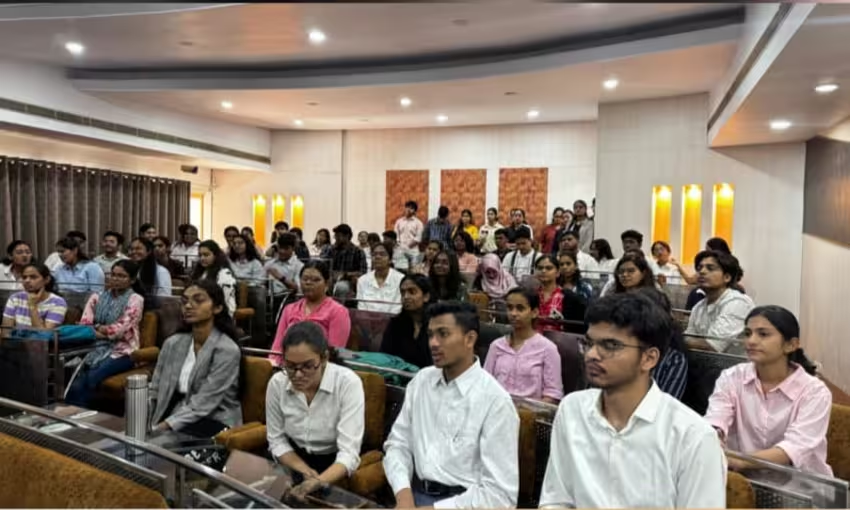
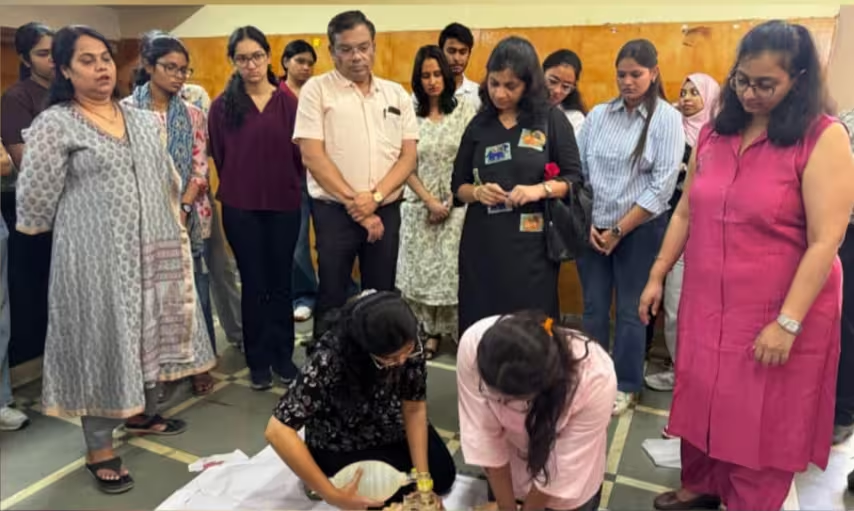
    The Indian Society of Anaesthesiologists – Nagpur City Branch (ISA–NCB), in collaboration with IMA Nagpur, conducted a Basic Cardiac Life Support (BCLS) training program for 75 undergraduate MBBS students on 1 May 2026.

    The activity aimed to equip future healthcare professionals with essential life-saving skills and emergency response knowledge. The academic session included a lecture on BCLS and Compression-Only Life Support (COLS) delivered by Dr. Kirti Gujarkar, who explained the principles and importance of early intervention during cardiac emergencies.

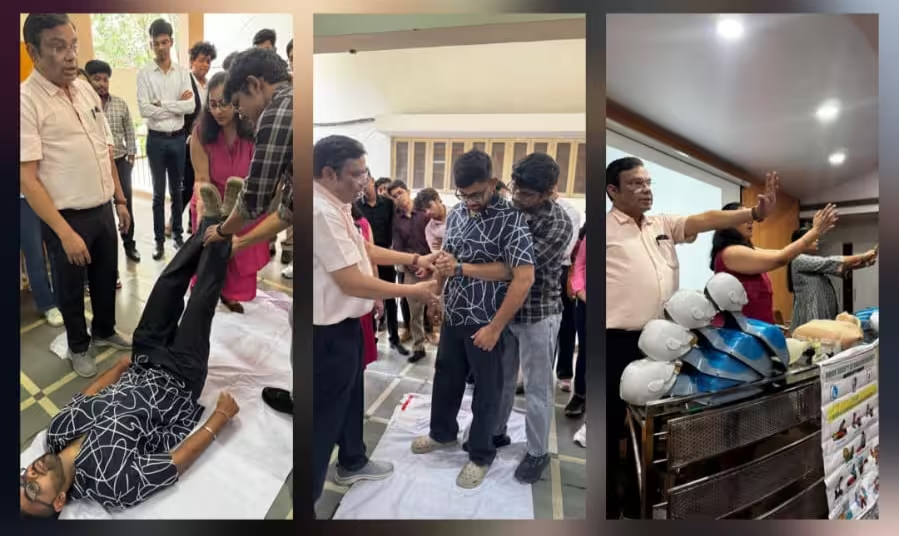
    The practical component of the program featured hands-on training using mannequins, conducted by Dr. Sachin Makade, Dr. Vrishali Panchalwar, and Dr. Shweta Bulle. Students actively participated in practicing CPR techniques and chest compressions under expert guidance.

    As part of the awareness initiative, the ISA team also demonstrated the Panchrakshak concept, educating students about the importance of timely action and community participation in emergency situations.

    Key Highlights

    • BCLS training conducted on 1 May 2026
    • Organized in collaboration with IMA Nagpur
    • Participation of 75 undergraduate MBBS students
    • Lecture on BCLS and COLS by Dr. Kirti Gujarkar
    • Hands-on CPR training on mannequins
    • Demonstration of the Panchrakshak concept

    The program successfully enhanced students’ understanding of life-saving techniques, reinforcing ISA–NCB’s commitment to medical education and emergency preparedness.

  • World Environment Day Special: Health, Humanity, and Our Shared Future

    Dr. Gunjan Badwaik

    World Environment Day reminds us that human health and planetary health are deeply interconnected. As healthcare professionals, anaesthesiologists witness firsthand how global events extend beyond borders and ultimately influence lives, health systems, and communities.

    This special edition of e Sense focuses on three pressing issues shaping our world today. The COVID-19 pandemic highlighted humanity’s vulnerability and emphasized the delicate relationship between public health, healthcare infrastructure, and environmental responsibility. It also left behind important lessons on resilience, preparedness, and sustainability.

    The ongoing conflicts and wars across different regions of the world, including those involving Ukraine and the Middle East, continue to create humanitarian crises, displacement, disruption of healthcare services, and immense psychological and social burdens. Their impact extends far beyond battlefields and affects global health and stability.

    Additionally, the growing challenge of urban waste demands urgent attention. Rapid urbanization and changing lifestyles have significantly increased waste generation, calling for responsible practices and sustainable solutions.

    Through this edition, we hope to inspire reflection and collective action. Protecting health is not confined to hospitals and operating rooms it includes safeguarding the world in which we all live.

  • ISA–NCB Conducts CME & Hands-on Workshop on Modern Regional Anaesthesia

    ISA–NCB Conducts CME & Hands-on Workshop on Modern Regional Anaesthesia

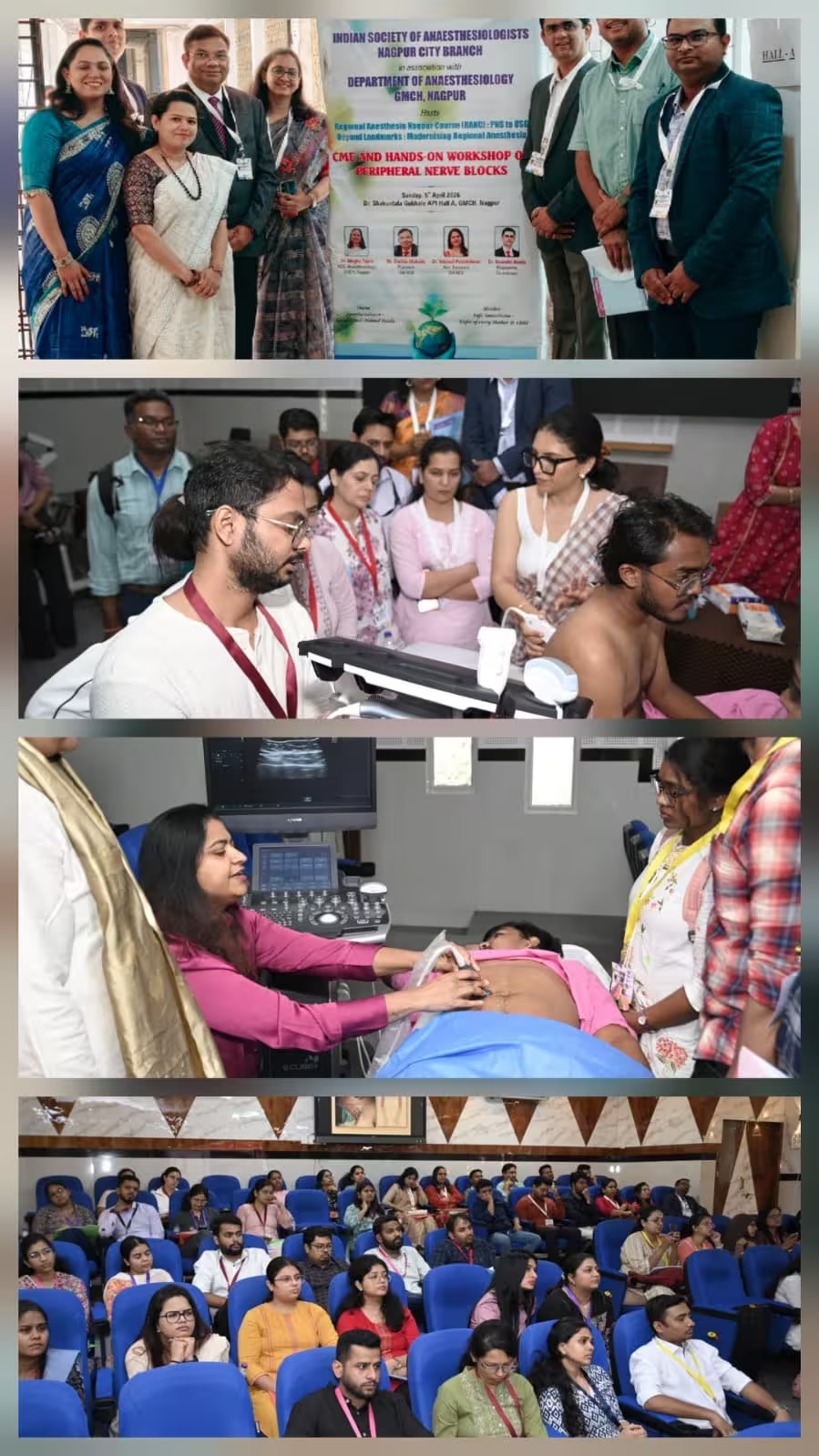
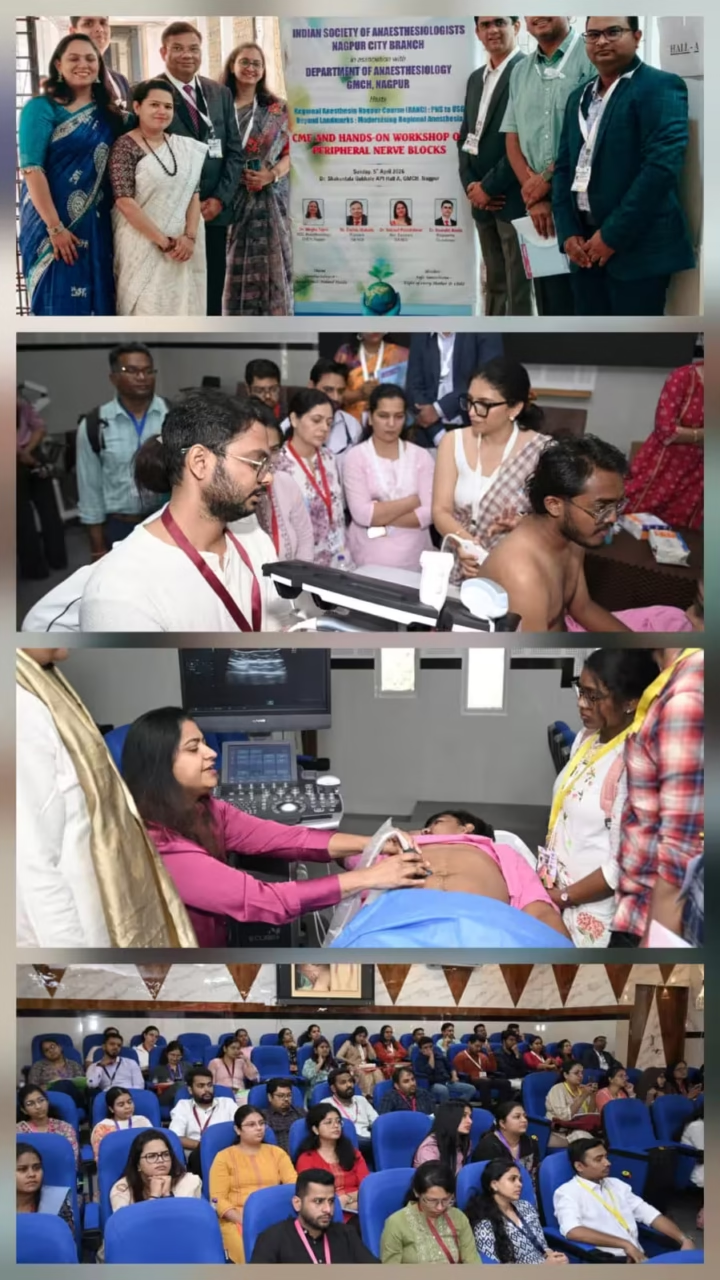
    The Indian Society of Anaesthesiologists – Nagpur City Branch (ISA–NCB), in collaboration with the Department of Anaesthesiology, Government Medical College and Hospital (GMCH), Nagpur, successfully organized a CME and Hands-on Workshop titled “PNS to USG: Beyond Landmarks… Modernising Regional Anaesthesia” on 5 April 2026 at GMCH, Nagpur.

    The academic event was conducted under the leadership of Dr. Sachin Makade, President, ISA–NCB, and Dr. Megha Tajne, Professor & Head, Department of Anaesthesiology, GMCH Nagpur. The workshop was inaugurated by Dr. Avinash Gawande, Medical Superintendent, GMCH Nagpur.

    The scientific program was meticulously planned by Dr. Saurabh Barde (Programme Coordinator) and Dr. Vrushali Panchalwar (Hon. Secretary, ISA–NCB). A total of 104 delegates participated in the workshop, benefiting from an engaging blend of academic lectures and practical training.

    One of the major attractions of the CME was six educational video sessions on Peripheral Nerve Stimulator (PNS)-guided nerve blocks, presented by senior anaesthesiologists. These sessions were followed by an extensive hands-on workshop on Ultrasound (USG)-guided peripheral nerve blocks.

    To maximize practical learning, 10 dedicated ultrasound-guided hands-on stations were established, where experienced faculty members demonstrated modern regional anaesthesia techniques and guided participants through supervised practice.

    Key Highlights

    • Date: 5 April 2026
    • Venue: GMCH, Nagpur
    • Theme: “PNS to USG: Beyond Landmarks… Modernising Regional Anaesthesia”
    • Organized jointly by ISA–NCB and the Department of Anaesthesiology, GMCH Nagpur
    • 104 delegates participated
    • 6 expert video sessions on PNS-guided nerve blocks
    • 10 USG hands-on training stations with renowned faculty
    • Programme coordinated by Dr. Saurabh Barde and Dr. Vrushali Panchalwar

    The workshop provided participants with valuable knowledge and practical experience in modern regional anaesthesia techniques, reaffirming ISA–NCB’s commitment to continuous medical education, skill enhancement, and clinical excellence.

  • BCLS Training Activity at Shiv Priya Eye Hospital, Nagpur

    The Indian Society of Anaesthesiologists – Nagpur City Branch (ISA–NCB) conducted a Basic Cardiac Life Support (BCLS) training activity on 31 March 2026 at Shiv Priya Eye Hospital, Nagpur.

    The program was organized to enhance the emergency response skills of hospital staff, ensuring their preparedness to manage cardiac emergencies effectively within clinical settings.

    Approximately 25 hospital staff members participated in the session. The training focused on early recognition of cardiac arrest, correct chest compression techniques, and essential steps of cardiopulmonary resuscitation (CPR).

    The session included demonstrations followed by hands-on training on mannequins, enabling participants to practice life-saving techniques under expert supervision and build confidence in handling real-life emergency situations.

    Key Highlights

    • BCLS training conducted on 31 March 2026
    • Venue: Shiv Priya Eye Hospital, Nagpur
    • Participation of approximately 25 hospital staff
    • Hands-on CPR training and demonstrations
    • Focus on emergency preparedness and life-saving skills

    This initiative reinforced ISA–NCB’s commitment to continuous medical education and strengthening emergency care capabilities across healthcare institutions.

  • ISA National Midterm Governing Council Meeting 2026

    ISA National Midterm Governing Council Meeting 2026

    The Indian Society of Anaesthesiologists (ISA) National successfully conducted its Midterm Governing Council (GC) Meeting on 21st and 22nd March 2026 at Hotel Legend Inn, Nagpur.

    The two-day meeting brought together ISA National office bearers, Governing Council members, and representatives from across the country to review the society’s ongoing activities, discuss important policy matters, and plan future academic and organizational initiatives.

    The meeting served as an important platform for strengthening collaboration among branches, exchanging ideas, and formulating strategies to further enhance the quality of anaesthesia education, professional development, and public awareness programs.

    Key Highlights

    • Event: ISA National Midterm Governing Council Meeting
    • Dates: 21–22 March 2026
    • Venue: Hotel Legend Inn, Nagpur
    • Participation of ISA National Governing Council members
    • Discussions on academic activities, organizational development, and future initiatives

    The successful hosting of the ISA National Midterm GC Meeting reflected Nagpur’s growing importance as a venue for national academic and organizational events, while reinforcing ISA’s commitment to excellence in anaesthesiology and healthcare leadership.

  • National Midterm GC Meet Held in Nagpur

    National Midterm GC Meet Held in Nagpur

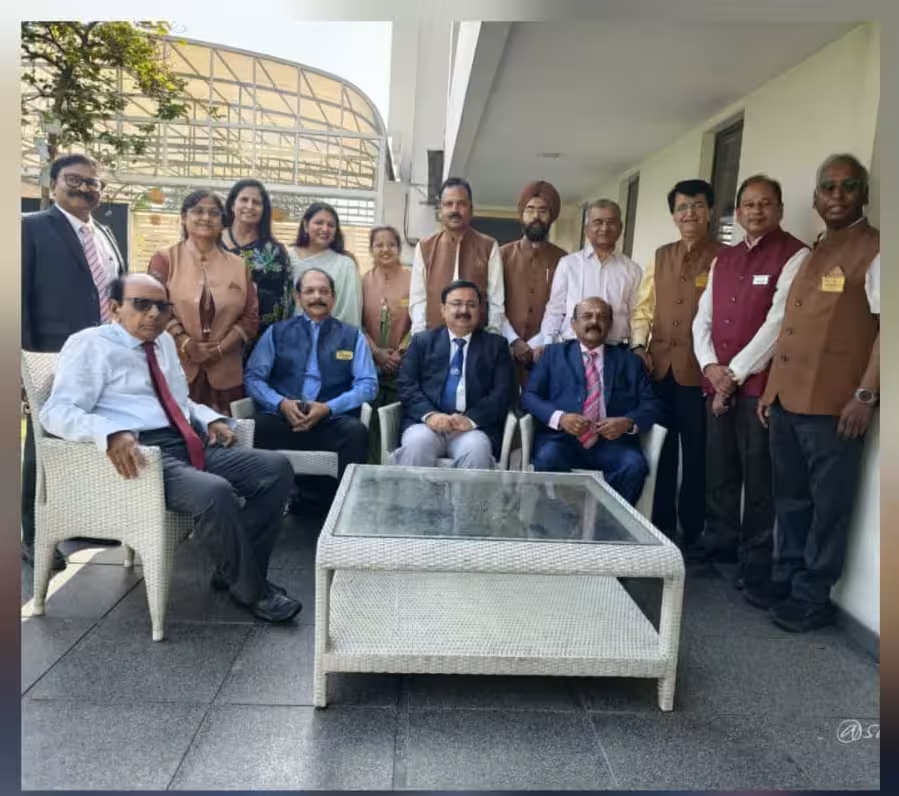
    The National Midterm Governing Council (GC) Meeting of the Indian Society of Anaesthesiologists (ISA) was successfully held in Nagpur on 21st and 22nd March 2026.

    The meeting brought together esteemed national leaders, governing council members, and representatives from various branches, providing a platform to review ongoing initiatives, discuss key policies, and plan future academic and organizational activities.

    Over the two-day event, members engaged in constructive discussions focused on advancing anaesthesia practice, strengthening professional collaboration, and enhancing public awareness initiatives across the country.

    The Midterm GC Meet served as an important opportunity to evaluate progress, share insights, and align strategies for the continued growth and development of ISA at both national and regional levels.

    Key Highlights

    • National Midterm GC Meeting held on 21st & 22nd March 2026
    • Hosted in Nagpur with participation from ISA leadership and representatives
    • Discussions on academic initiatives, policy matters, and future planning
    • Strengthening collaboration and organizational development
  • BLS Training Program at Shri Bhavani Multispeciality Hospital, Nagpur

    The Indian Society of Anaesthesiologists – Nagpur City Branch (ISA–NCB) organized a Basic Life Support (BLS) training program on 19 March 2026 at Shri Bhavani Multispeciality Hospital, Pardi, Nagpur.

    The training was aimed at enhancing emergency response skills among nursing staff, paramedics, and doctors, ensuring their readiness to handle cardiac and medical emergencies effectively.

    The academic session included a lecture-cum-demonstration delivered by Dr. Leena Ingale Gedam, Associate Professor at IGGMC Nagpur and Hon. Treasurer of ISA–NCB (2025–26). The session focused on the principles of Basic Life Support, early recognition of cardiac arrest, and correct response techniques.

    Following the lecture, participants engaged in hands-on training sessions, where they practiced chest compressions and CPR techniques on mannequins under expert supervision. The practical training was conducted by Dr. Apurva, Dr. Sameer, Ms. Samruddhi, and Ms. Saloni, ensuring active participation and skill development.

    A total of around 50 participants actively took part in the session and performed hands-on practice, gaining confidence in applying life-saving techniques in real-life scenarios.

    As part of the initiative, BLS charts were donated to Dr. Sneha Parwekar, Consultant Anaesthesiologist, and Dr. Mona (HR) of Shri Bhavani Hospital, to support continued learning and awareness within the institution.

    Key Highlights

    • BLS training conducted on 19 March 2026
    • Venue: Shri Bhavani Multispeciality Hospital, Nagpur
    • Participation of 50 nursing staff, paramedics, and doctors
    • Lecture-cum-demonstration by expert faculty
    • Hands-on CPR training on mannequins
    • Donation of BLS charts for ongoing awareness

    This initiative reinforced ISA–NCB’s commitment to strengthening healthcare professionals’ competencies in life-saving techniques and promoting continuous medical education and emergency preparedness.

  • International Women’s Day Debate & Motivational Talk by ISA–NCB

    International Women’s Day Debate & Motivational Talk by ISA–NCB

    The Indian Society of Anaesthesiologists – Nagpur City Branch (ISA–NCB) celebrated International Women’s Day on 10 March 2026 with great enthusiasm by organizing a Debate Competition and Motivational Talk at Dr. M. T. Paithankar Hall, IMA Nagpur.

    The event was centered around the inspiring theme “Don’t Confine – Let Her Shine”, aiming to promote gender equality and women’s empowerment across both personal and professional domains.

    Debate Competition

    The debate competition witnessed active participation from members, who presented thought-provoking perspectives on contemporary issues related to gender roles, equality, and professional growth.

    The competition was judged by Dr. Anjali Bhure and Dr. Pratibha Deshmukh, ensuring a fair and insightful evaluation of the participants.

    Winners

    • First Prize: Dr. Satkar Pawar
    • Runner-Up: Dr. Pankaj Machwe and Dr. Swapna Bhure

    The debate provided a platform for intellectual exchange, confidence building, and awareness on gender-related issues, encouraging meaningful discussions within the medical community.

    Motivational Talk: “Finding Me”

    A major highlight of the event was the motivational session by Dr. Sapna Sharma, an international counselor, life coach, motivator, and author.

    Her talk on “Finding Me” inspired attendees to:

    • Explore self-identity and personal purpose
    • Build inner strength and confidence
    • Focus on personal and professional growth

    The session deeply resonated with the audience, offering practical insights and emotional motivation.

    Leadership & Participation

    The program was conducted under the leadership of:

    • Dr. Sachin Makade (President, ISA–NCB)
    • Dr. Vrishali Panchalwar (Hon. Secretary, ISA–NCB)

    The event was graced by distinguished dignitaries including:

    • Dr. Chandrashekhar Cham (National GC Member)
    • Dr. Sheetal Dalal (Hon. Secretary, SAMS)
    • Dr. Kiran Vyavyhare and Dr. Rashmi Shingade (GC Members, SAMS)
    • Senior anaesthesiologists and members of the association

    The event was efficiently coordinated by Dr. Kirti Gujarkar and Dr. Puja Kanthawar, ensuring smooth execution and active engagement.

    Key Highlights

    • Celebration of International Women’s Day (10 March 2026)
    • Theme: “Don’t Confine – Let Her Shine”
    • Debate competition promoting gender equality discussions
    • Motivational talk “Finding Me” by Dr. Sapna Sharma
    • Participation of esteemed faculty and senior members
    • Strong focus on empowerment, self-growth, and awareness

    This initiative reflected ISA–NCB’s commitment to encouraging dialogue on gender equality, empowering women in healthcare, and fostering personal and professional development within the medical community.

  • COLS Training at Government Hotel Management College, Nagpur

    The Indian Society of Anaesthesiologists – Nagpur City Branch (ISA–NCB) conducted a Compression-Only Life Support (COLS) training activity at the Government Hotel Management College, Nagpur for 1st, 2nd, and 3rd year students along with teaching staff.

    The session was conducted by Dr. Vrishali Panchalwar, Hon. Secretary ISA–NCB, along with Dr. Haresh Chechani, Junior Resident (GMCH Nagpur), as part of ongoing public awareness and life-support training initiatives.

    The program focused on educating non-medical participants about emergency response during cardiac arrest, emphasizing the importance of immediate chest compressions and timely intervention.

    The training included:

    • Demonstration of COLS techniques on mannequins
    • Hands-on training sessions for participants to practice chest compression techniques
    • Interactive guidance to ensure correct understanding of CPR methods

    In addition, participants were also introduced to the Panchrakshak concept, with a demonstration explaining the role of bystanders in emergency situations.

    Approximately 75 participants, including students and teachers, actively took part in the session and engaged enthusiastically in the hands-on training activities.

    Key Highlights

    • COLS training for students and faculty of Government Hotel Management College
    • Participation of approximately 75 attendees
    • Hands-on CPR practice on mannequins
    • Awareness session on Panchrakshak emergency response concept

    This initiative successfully enhanced awareness and practical knowledge of life-saving techniques among young students, reinforcing ISA–NCB’s commitment to community education and emergency preparedness.