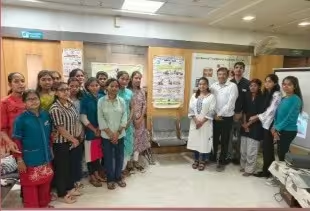
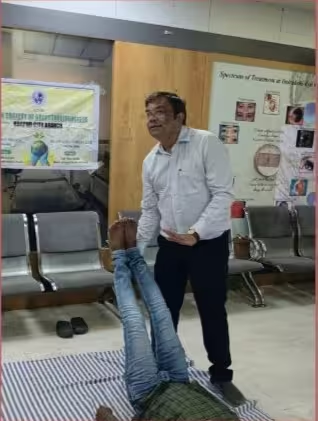
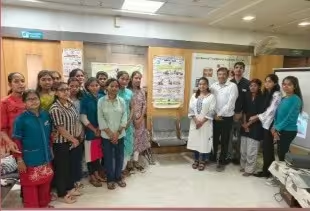
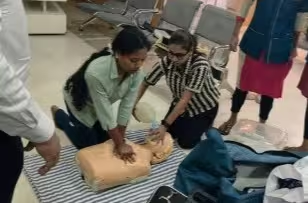
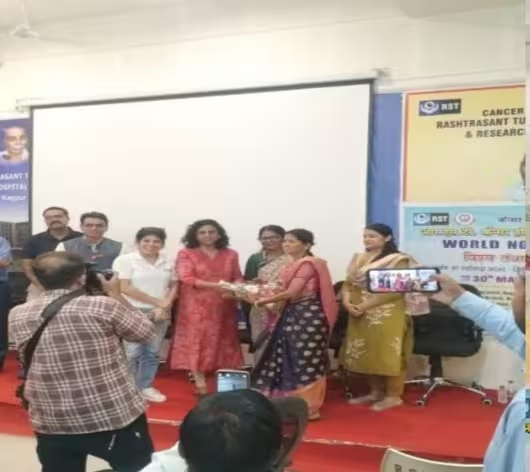
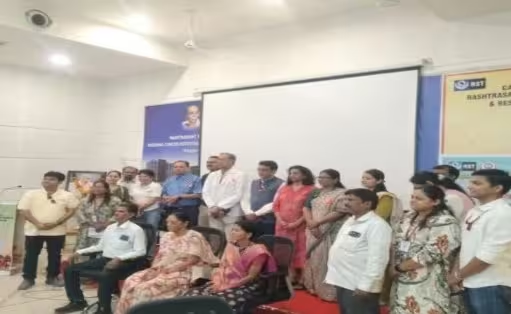
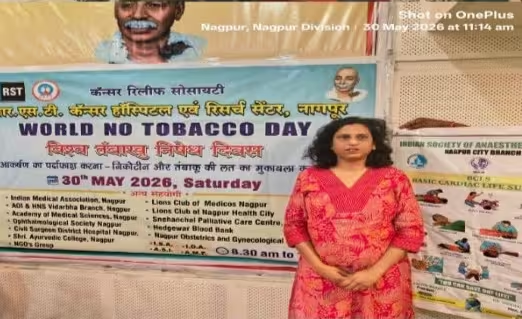
Media coverage : Dr. Pooja Kanthawar gave interview on ” World No Tobacco Day “during organised by RST , Nagpur.
Author: ISA NCB

BCLS and COLS Training Program at Avanti Institute of Cardiology and Hospital
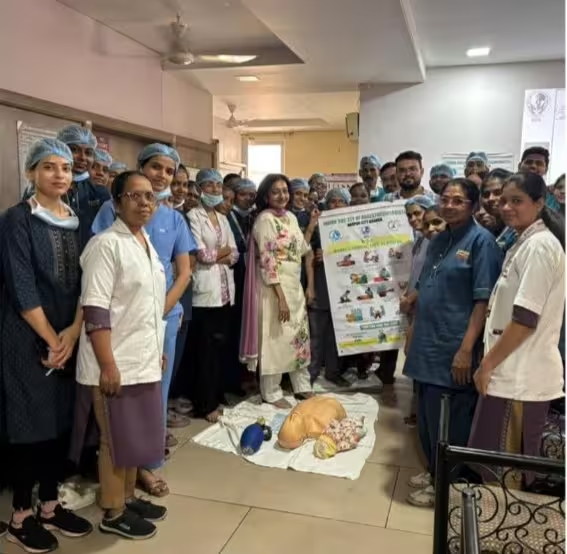
The Indian Society of Anaesthesiologists – Nagpur City Branch (ISA–NCB) organized a BCLS and COLS training program on 29 May 2026 at Avanti Institute of Cardiology and Hospital, Dhantoli, Nagpur for hospital staff and patients’ relatives.
The session aimed to increase awareness about Basic Cardiac Life Support (BCLS), Compression-Only Life Support (COLS), and the Panchrakshak initiative, encouraging prompt and effective action during medical emergencies.
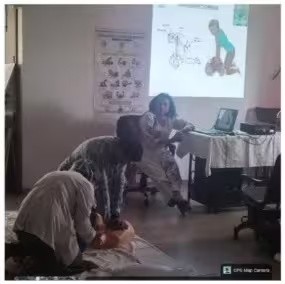
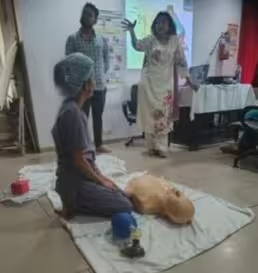
The lecture-cum-demonstration was conducted by Dr. Tapasya Dhawane, Senior Anaesthesiologist and Past Executive Member of ISA–NCB. The session was followed by hands-on mannequin training led by Dr. Rajat Shirpurkar, Assistant Professor, IGGMC Nagpur, and ISA–NCB member.
Approximately 45 participants, including hospital staff and patients’ relatives, attended the program enthusiastically and actively participated in the practical training sessions.
To support continued learning and awareness, BCLS and COLS educational charts were donated to the institution.
Key Highlights
- BCLS and COLS training conducted on 29 May 2026
- Venue: Avanti Institute of Cardiology and Hospital, Dhantoli, Nagpur
- Participation of around 45 staff members and patients’ relatives
- Awareness session on BCLS, COLS, and Panchrakshak
- Hands-on mannequin training for participants
- BCLS and COLS charts donated for ongoing education
The program reflected ISA–NCB’s ongoing commitment to community education, emergency preparedness, and the promotion of life-saving skills among healthcare workers and the general public.


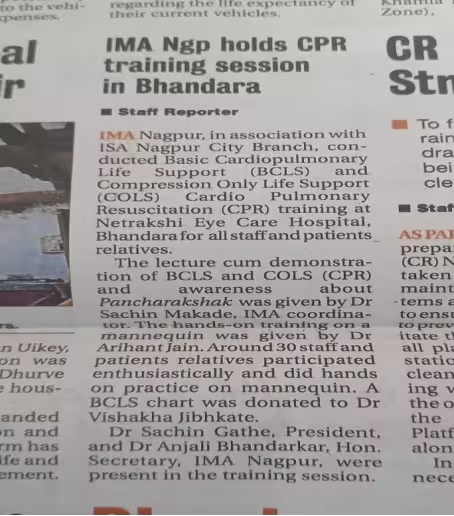
BCLS and COLS Training Program at Netrakshi Eye Care Hospital, Bhandara
The Indian Society of Anaesthesiologists – Nagpur City Branch (ISA–NCB) conducted a BCLS and COLS training program on 31 May 2026 at Netrakshi Eye Care Hospital, Bhandara for hospital staff and patients’ relatives.
The activity aimed to enhance awareness and preparedness for medical emergencies through training in Basic Cardiac Life Support (BCLS), Compression-Only Life Support (COLS), and the Panchrakshak initiative.
The lecture-cum-demonstration was delivered by Dr. Arihant Jain, Executive Member of ISA–NCB, who explained the importance of early intervention and life-saving techniques during cardiac emergencies. The hands-on mannequin training was conducted by Dr. Sachin Makade, President, ISA–NCB, enabling participants to practice CPR and chest compression techniques under expert guidance.
Approximately 30 hospital staff members and patients’ relatives participated enthusiastically and actively engaged in the practical training session.
To support ongoing awareness and education, BCLS and COLS charts were donated to Dr. Vishakha Jibhkate on behalf of the institution.
Key Highlights
- BCLS and COLS training conducted on 31 May 2026
- Venue: Netrakshi Eye Care Hospital, Bhandara
- Participation of around 30 staff members and patients’ relatives
- Awareness session on BCLS, COLS, and Panchrakshak
- Hands-on mannequin training led by ISA–NCB faculty
- BCLS and COLS charts donated for continued learning
The program successfully strengthened emergency response awareness and life-saving skills, reflecting ISA–NCB’s commitment to community outreach and healthcare education.


World No Tobacco Day Awareness Program with ISA–NCB Support
On 30 May 2026, World No Tobacco Day was observed at RST Institute, Nagpur, with a series of public awareness activities focused on promoting a tobacco-free lifestyle and preventing tobacco-related diseases.
The program featured an awareness rally, felicitation of cancer survivors, and educational sessions on tobacco de-addiction, encouraging participants to adopt healthier habits and support tobacco cessation efforts.
The Indian Society of Anaesthesiologists – Nagpur City Branch (ISA–NCB) actively participated in the event as part of its commitment to social responsibility and public health awareness.
During the program, Dr. Puja Kanthawar, Executive Member of ISA–NCB, delivered an informative session highlighting the adverse effects of tobacco chewing and smoking, particularly their impact on anaesthesia, surgical outcomes, and overall health. She also appealed to the audience to quit tobacco use and embrace a healthier lifestyle.
Key Highlights
- World No Tobacco Day observed on 30 May 2026
- Awareness rally and tobacco de-addiction guidance
- Felicitation of cancer survivors
- Active participation by ISA–NCB
- Educational talk by Dr. Puja Kanthawar
- Promotion of a tobacco-free and healthier community
The event reinforced ISA–NCB’s dedication to public health education, disease prevention, and community outreach initiatives.


SWASTHYM Connect 2026: Multidisciplinary Academic CME
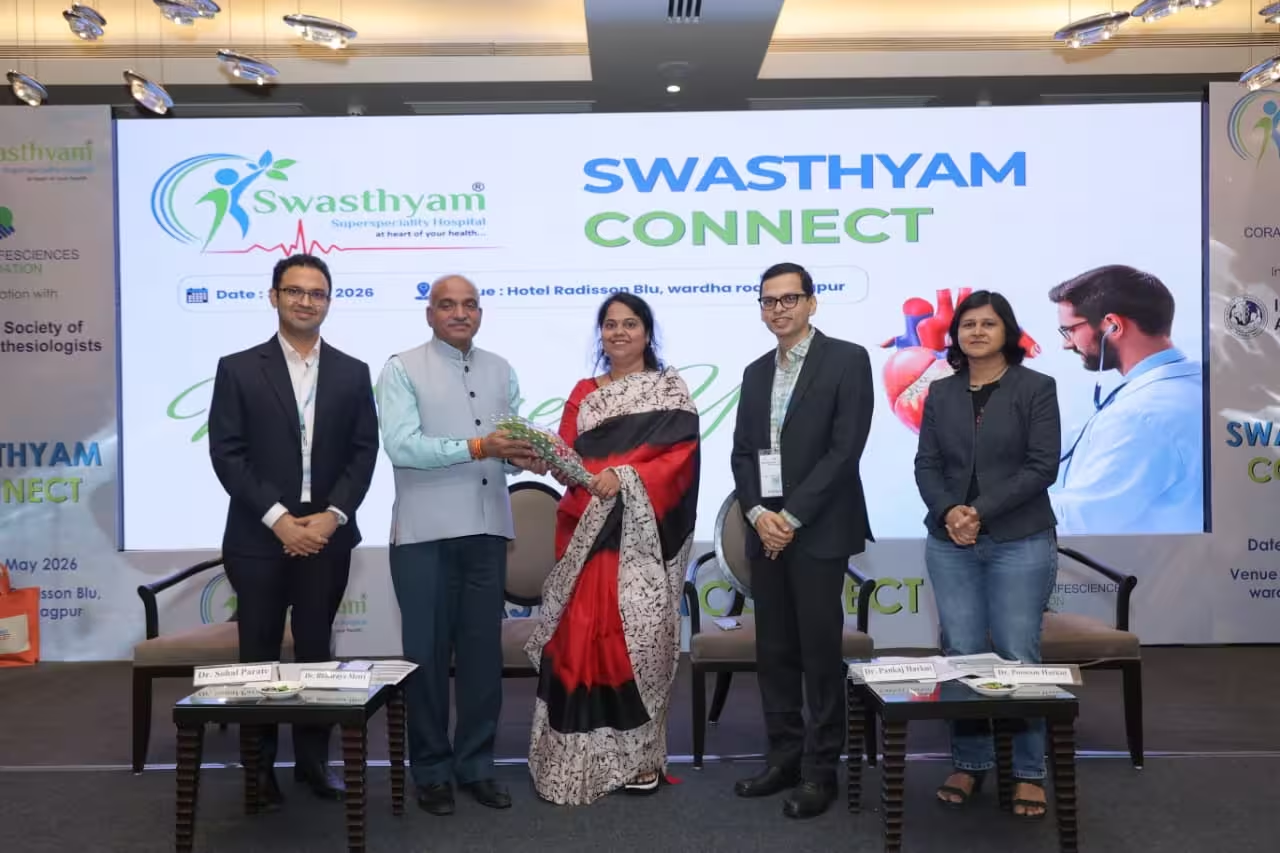
The Indian Society of Anaesthesiologists – Nagpur City Branch (ISA–NCB), in collaboration with Swasthyam Hospital, successfully conducted SWASTHYM Connect 2026, a full-day multidisciplinary academic CME, on 31 May 2026.
The program brought together renowned national and international faculty members, who shared their expertise and insights across various medical specialties, creating a rich academic learning experience for participants.
Approximately 100 delegates attended the event and benefited from the comprehensive scientific sessions, interactive discussions, and knowledge-sharing opportunities.
The academic activity was coordinated by Dr. Sohel Parate, Consultant Anaesthesiologist and Intensivist, whose efforts contributed to the successful execution of the program.
Key Highlights
- Full-day multidisciplinary CME held on 31 May 2026
- Organized jointly by ISA–NCB and Swasthyam Hospital
- Participation of national and international faculty
- Attendance of approximately 100 delegates
- Coordinated by Dr. Sohel Parate
SWASTHYM Connect 2026 reflected ISA–NCB’s commitment to continuous medical education, multidisciplinary collaboration, and professional excellence in he

Webinar on TIVA and Green Anaesthesia: The Future of Anaesthesia Practice
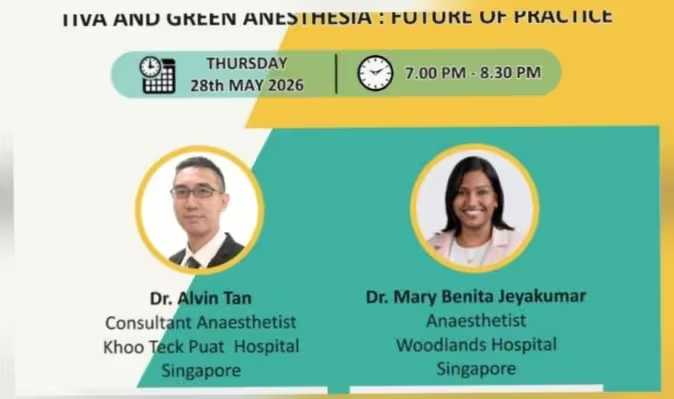
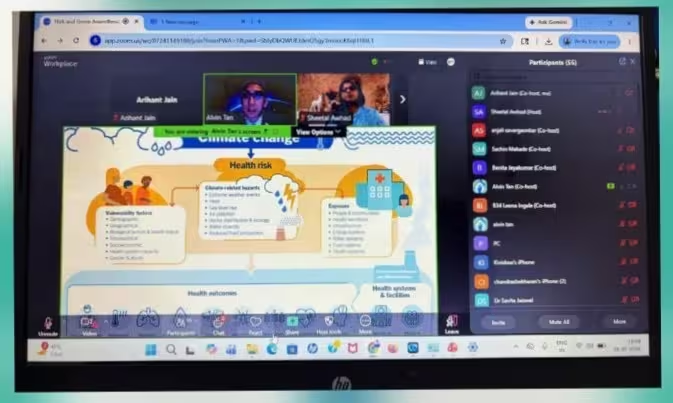
The Indian Society of Anaesthesiologists – Nagpur City Branch (ISA–NCB) successfully conducted a webinar on “TIVA and Green Anaesthesia: The Future of Anaesthesia Practice” on 28 May 2026 via Zoom.
The webinar featured renowned international faculty from Singapore:
- Dr. Alvin Tan, Consultant Anaesthesiologist, Khoo Teck Puat Hospital, Singapore, who delivered a lecture on “Green Anaesthesia: Small Changes, Big Environmental Impact.”
- Dr. Mary Benita Jeyakumar, Anaesthetist, Woodland Hospital, Singapore, who presented “TIVA Made Simple: From Theory to OT Application.”
The academic program attracted 138 participants, who benefited from the expert insights and practical knowledge shared during the sessions.
The webinar was chaired by Dr. Anjali Savargaonkar and Dr. Sarita Joglekar. The program began with a welcome address by Dr. Sachin Makade, President, ISA–NCB, and concluded with a vote of thanks by Dr. Leena Ingale, Treasurer, ISA–NCB.
The event was successfully coordinated by Dr. Sheetal Awhad, ensuring a smooth and engaging academic experience for all attendees.


Blood Donation Camp Promoting Community Service and Healthcare Support
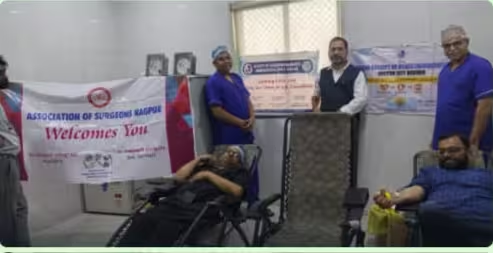
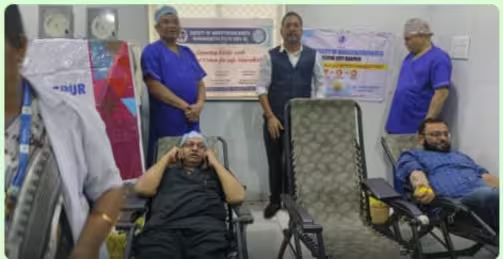
As part of its commitment to community service and social responsibility, the Indian Society of Anaesthesiologists – Nagpur City Branch (ISA–NCB) participated in a Blood Donation Camp conducted on 15 May 2026.
The camp was organized in collaboration with the Association of Surgeons of India (ASI), Nagpur Branch, and Seven Star Hospital, Nagpur, bringing together healthcare professionals and volunteers for a noble cause.
The event received an encouraging response, with approximately 100 doctors, hospital staff, and association members voluntarily donating blood. The initiative aimed to strengthen local blood bank reserves and support patients requiring lifesaving transfusions.
Key Highlights
- Blood Donation Camp held on 15 May 2026
- Organized in collaboration with ASI Nagpur Branch and Seven Star Hospital
- Participation of around 100 doctors, staff, and members
- Promoted voluntary blood donation and community welfare
- Strengthened support for emergency and critical patient care
The successful blood donation drive reflected the dedication of the medical fraternity toward humanitarian service, healthcare support, and community well-being.

From Pandemic to Planet Damage: The Environmental Side of COVID-19
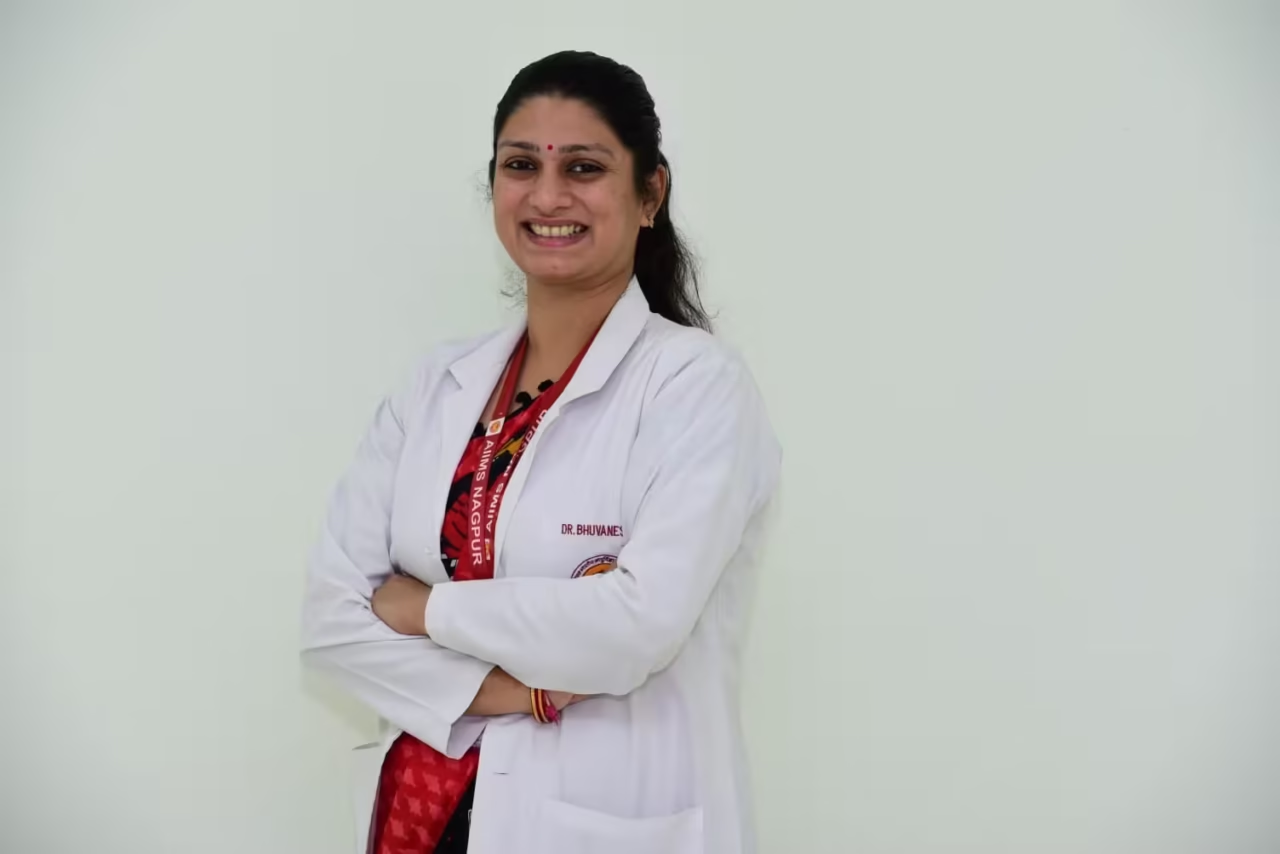
Dr. Bhuvaneswari Balasubramanian
MD, PDCC (Paediatric Anaesthesiology), IDRA, ESRA-DRA
Associate Professor, Department of Anaesthesiology, AIIMS Nagpur

The COVID-19 pandemic will be remembered as one of the defining public health crises of our generation. For anaesthesiologists, it transformed everyday practice almost overnight. Airway management became a high-risk procedure, PPE became part of our professional identity, ICUs expanded beyond their usual boundaries, oxygen became a national concern, and infection control entered every conversation in the operating room. Yet, as the acute crisis slowly receded, another quieter question emerged: what was the environmental cost of our pandemic response?
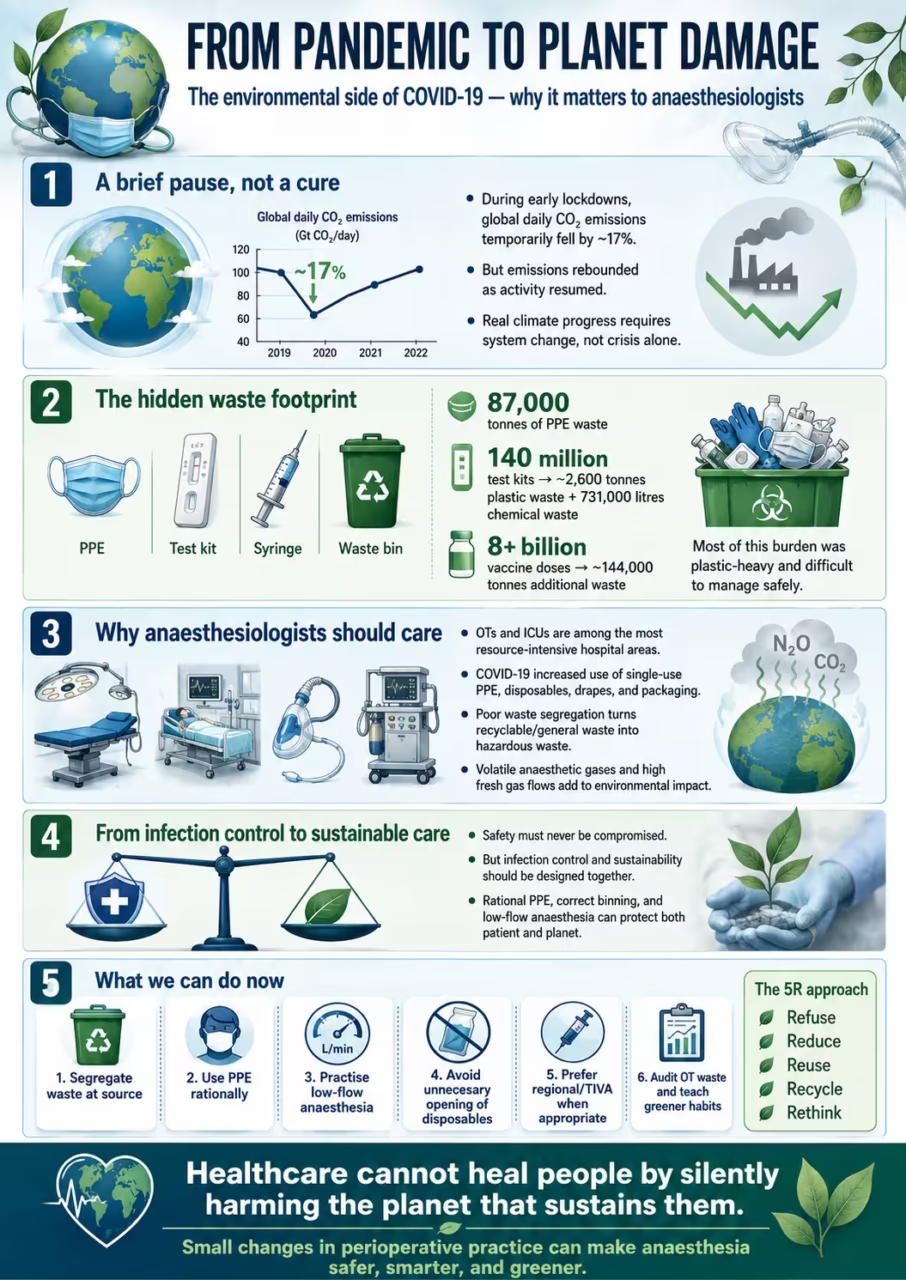
At first glance, COVID-19 appeared to give the planet a brief pause. During lockdowns, roads emptied, flights were grounded, industrial activity slowed, and several cities reported visibly cleaner skies. Le Quéré et al. estimated that global daily CO₂ emissions temporarily fell by approximately 17% during the early lockdown period compared with 2019 levels.¹ However, this was not true environmental recovery; it was a short-lived reduction caused by crisis, immobility, and economic disruption. As human activity resumed, emissions rebounded. The pandemic reminded us that environmental progress cannot depend on suffering or shutdowns. It requires deliberate, sustained, system-level change.
The more lasting environmental legacy of COVID-19 was far less visible: the enormous burden of healthcare waste. The World Health Organization estimated that approximately 87,000 tonnes of PPE procured through a United Nations emergency initiative between March 2020 and November 2021 would eventually become waste. In addition, more than 140 million test kits generated about 2,600 tonnes of mainly plastic waste and 731,000 litres of chemical waste. Over 8 billion vaccine doses administered globally produced nearly 144,000 tonnes of additional waste in the form of syringes, needles, and safety boxes.² These figures did not include PPE procured outside the UN system or disposable masks used by the general public, meaning the true environmental burden was probably much higher.²
India experienced this challenge acutely. COVID-19-related biomedical waste rose sharply during peak waves. A Centre for Science and Environment assessment reported that India generated 45,954 tonnes of COVID-19-related biomedical waste between 1 May 2020 and 10 May 2021, with an average of 126 tonnes per day over and above routine biomedical waste generation.³ In many centres, biomedical waste systems were already working near capacity before the pandemic. COVID-19 exposed the fragility of these systems and showed how quickly waste can become a public health hazard when segregation, transport, treatment, and disposal are overwhelmed.
For anaesthesiologists, this issue is not distant. We work in some of the most resource-intensive areas of the hospital: operating rooms, ICUs, emergency areas, labour rooms, and procedural suites. Our daily work involves oxygen, suction, anaesthesia workstations, breathing circuits, airway devices, intravenous consumables, syringes, drug vials, sterile packaging, disinfectants, monitoring accessories, and anaesthetic gases. Perioperative services are recognised as among the most resource-intensive healthcare services, and healthcare itself contributes substantially to global greenhouse gas emissions.⁵ During COVID-19, infection prevention was rightly prioritised, but it also accelerated a shift towards single-use, plastic-heavy practice. Disposable PPE, disposable circuits, plastic drapes, viral filters, airway disposables, and excessive packaging became routine in many locations.
The problem is not the use of PPE or disposables when they are necessary. PPE saved lives. Infection control protected healthcare workers and patients. The problem is the uncritical continuation of “pandemic habits” even when the risk profile has changed. Fear-based practice can easily become wasteful practice. The challenge before us is to preserve safety while reducing avoidable environmental harm.
Biomedical waste segregation is one of the simplest examples. WHO notes that about 85% of healthcare waste is general non-hazardous waste, while approximately 15% is hazardous material that may be infectious, toxic, chemical, radioactive, or sharps-related.⁴ When segregation fails, general waste and recyclable material enter the hazardous waste stream. This increases treatment costs, incineration load, emissions, and occupational risks for waste handlers. A clean plastic wrapper opened before patient contact is not the same as a blood-soiled airway device. A cardboard drug box is not the same as a used syringe. Correct binning at the point of generation is therefore not a clerical task; it is a clinical and environmental responsibility.
Anaesthesia also has a unique carbon footprint because volatile anaesthetic agents are released into the atmosphere. Life-cycle assessment studies have shown that inhalational anaesthetic agents contribute to greenhouse gas emissions, with desflurane and nitrous oxide having particularly high environmental impact compared with alternatives.⁶ Desflurane has a much higher 100-year global warming potential than sevoflurane and isoflurane, and nitrous oxide persists in the atmosphere for a long time.⁶,⁸ High fresh gas flows further increase anaesthetic consumption and environmental release. This does not mean that every patient must receive total intravenous anaesthesia or regional anaesthesia. It means that anaesthetic choices should be conscious, rational, and patient-centred. Low-flow anaesthesia, avoidance of unnecessary nitrous oxide, and reduced reliance on high-impact agents can make a meaningful difference without compromising care.
The operating room itself is another major contributor. OTs consume large amounts of energy due to ventilation, lighting, air conditioning, sterilisation, electronic equipment, and continuous readiness requirements. Infection prevention measures in operating rooms—including single-use devices, surgical attire, and air treatment systems—also contribute to environmental impact.⁷ Some waste is unavoidable, but much is preventable. We often open airway devices, syringes, infusion sets, drugs, catheters, and disposables “just in case.” Preparedness is essential in anaesthesia, but preparedness need not mean pre-emptive wastage. A difficult airway cart can be ready without opening every device. Emergency drugs can be available without unnecessary dilution and discard. Case-specific preparation, standardised trays, and rational opening of consumables can reduce waste significantly.
Sustainable anaesthesia therefore begins with small, repeated decisions. We can switch off oxygen and air flows when not in use. We can use low fresh gas flows whenever clinically appropriate and supported by monitoring. We can avoid leaving vaporizers, suction, monitors, warmers, and lights on unnecessarily. We can reduce drug wastage by preparing drugs according to expected need rather than habit. We can use regional anaesthesia, neuraxial techniques, or TIVA where clinically appropriate. We can question whether every disposable item is truly required.
Equally important is rational PPE use. High-level protection remains essential during aerosol-generating procedures and high-risk exposure. However, PPE should be matched to actual risk and guided by current infection control policies. Using excessive PPE in low-risk situations does not necessarily improve safety, but it certainly increases waste, cost, discomfort, and fatigue. The goal is not less protection; the goal is appropriate protection.
The pandemic also changed how we learn and meet. Webinars, online CMEs, hybrid conferences, virtual journal clubs, and remote teaching became normal. While hands-on training and in-person academic interaction remain irreplaceable, not every meeting requires travel. Hybrid academic models can reduce travel-related emissions, improve access for smaller centres, and save time and resources. For organisations like ISA NCB, this is an opportunity to combine academic excellence with environmental responsibility.
A practical framework for anaesthesia departments is the 5R approach: Refuse, Reduce, Reuse, Recycle, and Rethink. Refuse what is unnecessary. Reduce excessive consumption. Reuse only where safe, approved, and evidence-based. Recycle clean and correctly segregated material. Rethink systems that create waste by design. This approach does not ask us to compromise patient safety. It asks us to remove waste that never added value to patient care.
The role of senior anaesthesiologists is crucial. Residents learn not only from what we teach, but from what we repeatedly do. If they see high-flow anaesthesia, unnecessary opening of disposables, poor waste segregation, and irrational PPE use as routine, those practices will continue. If they see low-flow anaesthesia, thoughtful preparation, correct binning, and resource-conscious practice as professional norms, sustainability becomes part of their clinical identity.
Institutional support is equally necessary. Individual anaesthesiologists can reduce flows and segregate waste, but larger gains require hospital-level policies: green procurement, biomedical waste audits, reusable options where validated, energy-efficient OT ventilation, rational air exchange policies, environmentally responsible sterilisation, and accountability of waste management vendors. Departments can begin with simple audits: How much OT waste do we generate? How much is incorrectly segregated? How often are unused drugs discarded? What are our fresh gas flow practices? What proportion of cases use nitrous oxide or desflurane? Data can turn good intentions into measurable change.
COVID-19 taught us that healthcare systems can change rapidly when the threat is visible. Climate change and environmental pollution are slower, quieter threats, but their health consequences are profound. Air pollution worsens respiratory and cardiovascular disease. Extreme heat affects vulnerable populations. Plastic pollution enters food chains. Poor waste disposal harms sanitation workers and communities living near landfills and incinerators. Environmental damage is therefore not outside medicine; it is part of public health.
The lesson is clear: healthcare cannot heal people by silently harming the planet that sustains them. As anaesthesiologists, we stand at a powerful intersection of patient safety, technology, pharmacology, critical care, and systems management. Our choices matter. From PPE to plastics, from fresh gas flows to biomedical waste, from OT habits to academic travel, we have multiple opportunities to make anaesthesia safer, smarter, and greener.
The pandemic demanded urgency. The planet now demands wisdom. Let us carry forward the lessons of COVID-19 not as fear, but as responsibility. Small changes in perioperative practice, repeated consistently across departments, can create meaningful environmental impact. For ISA NCB and for every anaesthesia department, the time to begin is now.
References
- Le Quéré C, Jackson RB, Jones MW, Smith AJP, Abernethy S, Andrew RM, et al. Temporary reduction in daily global CO₂ emissions during the COVID-19 forced confinement. Nat Clim Chang. 2020;10:647–653.
- World Health Organization. Global analysis of health care waste in the context of COVID-19: status, impacts and recommendations. Geneva: WHO; 2022.
- Centre for Science and Environment. Managing COVID-19 biomedical waste in India. New Delhi: CSE; 2021.
- World Health Organization. Health-care waste: fact sheet. Geneva: WHO; 2024.
- MacNeill AJ, Rizan C, Sherman JD. Improving sustainability and mitigating the environmental impact of anaesthesia and surgery along the perioperative journey: a narrative review. Br J Anaesth. 2024;133(6):1397–1409.
- Sherman J, Le C, Lamers V, Eckelman M. Life cycle greenhouse gas emissions of anesthetic drugs. Anesth Analg. 2012;114(5):1086–1090.
- Bolten A, Kringos DS, Spijkerman IJB, Sperna Weiland NH. The carbon footprint of the operating room related to infection prevention measures: a scoping review. J Hosp Infect. 2022;128:64–73.
- Waberski AT, Zoghbi V. Environmental impact of desflurane. OpenAnesthesia; 2024.

War, Warming, and Well-Being: A World at Risk
Dr. Sheetal Deshpande Samel
MD Anaesthesia
Consultant Anaesthesiologist
Burning Borders, Warming Planet
Geopolitics, Climate & the Health of a Fractured World
When a nation lights the match of conflict, the smoke does not respect its borders it rises into a sky already thick with the fever of a warming world.
The phrase “burning borders” carries a double weight in the third decade of the twenty-first century. It speaks, on one hand, of literal geopolitical fires the artillery barrages over contested territories, the drone strikes illuminating midnight skies, the scorched-earth retreats leaving landscapes unrecognisable. On the other, it describes the slow, catastrophic combustion of our planet’s climate equilibrium. That these two crises are not parallel tragedies but deeply entangled ones is among the most urgent medical and ecological truths of our time.
THE GEOPOLITICS OF FLAME
The ongoing conflict in Eastern Europe, the persistent tensions across the South China Sea, the fractured alliances of the Middle East, and the simmering rivalries of the Indo-Pacific have together created a world where military expenditure now rivals and in some nations surpasses investment in climate adaptation. Globally, defence budgets crossed five trillion US dollars in 2024, while commitments to the UN Green Climate Fund remain chronically underfunded. Wars consume oil, steel, and human lives with equal indifference; they also consume the decades we do not have left to decarbonise.
The invasion of Ukraine alone disrupted the global grain supply, pushing nations across Africa and South Asia toward food insecurity that laid bare the anatomical connection between geopolitical violence and environmental stress. As Europe scrambled for energy security, fossil fuel extraction was accelerated, new LNG terminals hastily approved, and carbon commitments quietly shelved. Every artillery shell fired releases greenhouse gases. Every tank column that rolls across a field compacts soil that once sequestered carbon. Conflict is, in its chemical essence, a carbon event.
“The planet does not distinguish between peacetime emissions and wartime ones. The atmosphere absorbs every plume with the same indifference.”
A PLANET UNDER CLINICAL STRESS
As physicians examine a patient, the Earth presents a constellation of alarming vitals. Global mean temperature has now breached 1.5°C above pre-industrial levels for consecutive years a threshold the Paris Agreement treated as a ceiling, not a floor. The Arctic is warming four times faster than the global average. Coral bleaching events, once centennial, now occur in cycles shorter than a human childhood. The Amazon, historically a carbon sink of planetary significance, has begun emitting more carbon dioxide than it absorbs in its degraded eastern stretches. The prognosis, absent radical intervention, is a world 2.5 to 3°C warmer by 2100 a world medically incompatible with human civilisation as we know it.
✚ Clinical Note: The WHO classifies climate change as the single greatest health threat facing humanity. By 2030, it is projected to cause 250,000 additional deaths annually from malaria, diarrhoea, heat stress, and malnutrition diseases intimately linked to environmental destabilisation and exacerbated by conflict-driven displacement.
Geopolitical instability accelerates every one of these trajectories. Conflict disrupts reforestation programmes, disables renewable energy infrastructure, contaminates water sources, and drives populations into displacement where they become both victims and, through the sheer metabolic demands of survival, contributors to further environmental degradation. The refugee does not choose between cooking fire and carbon footprint. Survival has no green alternative when institutions have failed.
THE MEDICAL CONSEQUENCES
For those in medicine, the warming planet is no abstraction. Heat-related illnesses are now the fastest-growing category of climate-attributable mortality. Vector-borne diseases are migrating to latitudes and altitudes once considered climatically hostile to their carriers. Dengue has reached Europe. Malaria is being documented in the highlands of East Africa where it was unknown a generation ago. Wildfire smoke a product of hotter, drier conditions amplified by political failures to manage forests has created a global epidemic of respiratory disease and cardiovascular events. The emergency room of the future will be a climate ward.
Geopolitical conflict layers acute trauma atop this chronic environmental illness. Hospitals in conflict zones operate without stable electricity a requirement increasingly met, when met at all, by diesel generators whose emissions contribute to the very crisis overwhelming them. The wounded soldier and the displaced farmer drink from the same dwindling aquifer. The medic treating burns from incendiary weapons works under a sky carrying the particulate legacy of a thousand unchecked wildfires.
THE HORIZON AHEAD
The future, absent transformation, is a study in compounding vulnerabilities. Climate scientists project that by 2050, between 1.2 and 1.5 billion people will live in regions of near-uninhabitable heat stress. Resource scarcity water, arable land, fisheries will become the primary driver of geopolitical conflict, even as the conflicts themselves accelerate the depletion of those resources. It is a feedback loop with the precision of a clinical cascade: organ following organ into failure.
Yet medicine also teaches us that cascades can be interrupted. The body has extraordinary capacity for recovery when the insult is removed, the environment is corrected, and time is not squandered. What the planet requires is the same disciplined urgency a good physician brings to a deteriorating patient: honest diagnosis, immediate stabilisation, and a long-term plan built on evidence rather than political convenience. The transition to renewable energy is not ideology it is triage. Climate diplomacy is not idealism it is prophylaxis.
“We do not inherit the Earth from our ancestors. We borrow it from our patients.”
On this World Environment Day, as practitioners of healing gather to reflect, let us carry the full weight of that borrowed trust. The borders burning across our maps are symptoms. The warming planet is the diagnosis. And the prescription cooperation over conflict, diplomacy over devastation, sustainability over short-term sovereignty has never been more clearly written. The question is whether humanity will read it in time.
“First, Do No Harm To the Planet That Sustains Us All”

COLS Training Program in Collaboration with Rotary Club
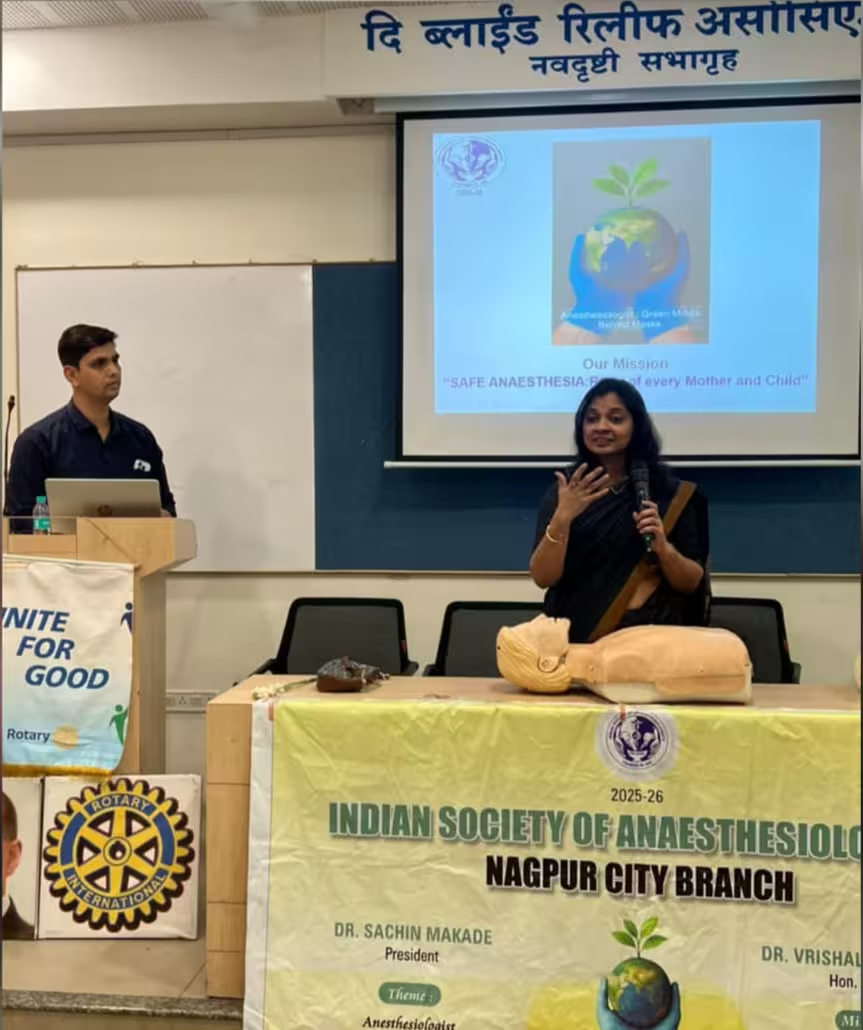
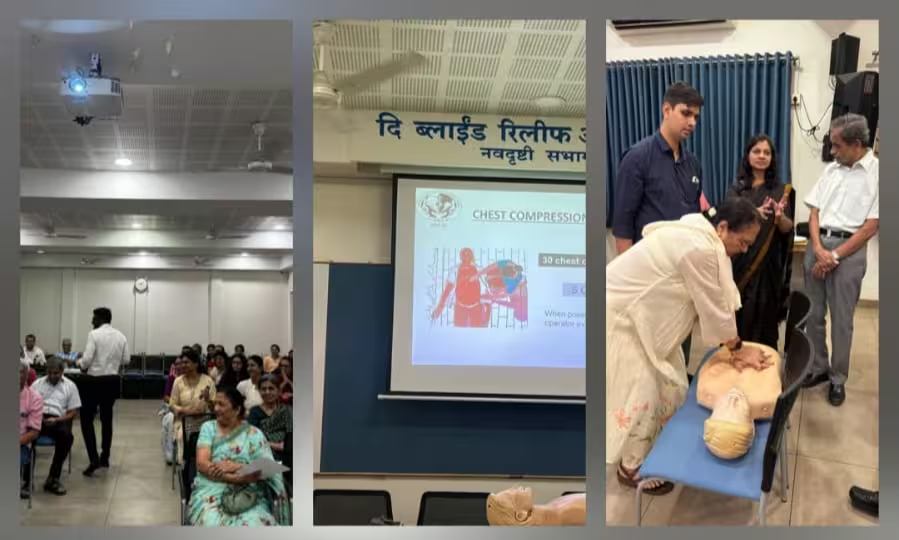
The Indian Society of Anaesthesiologists – Nagpur City Branch (ISA–NCB), in collaboration with the Rotary Club, organized a Compression-Only Life Support (COLS) training program at Navdrushti Sabhagruh, Mundle English Medium School.
The activity was attended by approximately 50–60 Rotary Club members, with the objective of spreading awareness about life-saving emergency response techniques among community leaders and volunteers.
The session was conducted by Dr. Shweta Bulle and Dr. Arihant Jain, who delivered an informative PowerPoint presentation on COLS and demonstrated the correct technique on mannequins. The demonstration was followed by an interactive hands-on training session, allowing participants to practice chest compressions under expert guidance.
The program was coordinated by Dr. M. Ballal, whose efforts contributed to the successful execution of the activity. To support continued awareness and learning, a COLS chart was donated to the Rotary Club.
Key Highlights
- COLS training conducted in collaboration with the Rotary Club
- Venue: Navdrushti Sabhagruh, Mundle English Medium School
- Participation of 50–60 Rotary Club members
- Presentation and demonstration by Dr. Shweta Bulle and Dr. Arihant Jain
- Hands-on mannequin training for all attendees
- COLS awareness chart donated to the club
The initiative reflected ISA–NCB’s commitment to community outreach, public awareness, and empowering citizens with essential life-saving skills.