Category: eSense

  • The Unsung Heroine: My Maid as an Inspiring Woman in My Life

    Dr Bhagyashree Nemade

    Consultant Anesthesiologist
    Nagpur

    In the narrative of my life, amidst the bustling chapters of triumphs and challenges, there exists an unsung heroine whose presence has quietly woven its way into the fabric of my existence – my maid.

    She is not merely a domestic worker but an inspiring woman whose resilience, strength, and unwavering dedication have left an indelible mark on my heart and soul. Allow me to shine a light on the remarkable woman who has played a pivotal role in shaping my perspective and fostering my growth.

    My maid, Lata, embodies the epitome of resilience, navigating life’s complexities with unwavering fortitude and determination. Despite facing her own share of hardships and setbacks, she approaches each day with a spirit of optimism and perseverance. From the crack of dawn until the dusk settles, Lata toils tirelessly, her hands weaving magic within the confines of our home. Her resilience in the face of adversity serves as a powerful reminder of the strength that lies within each of us, inspiring me to face my own challenges with courage and determination.

    Beyond resilience, Lata possesses a wisdom that comes from years of life experience and hard work. Her insights into the intricacies of human relationships and the nuances of daily life are invaluable, offering me a unique perspective that transcends socioeconomic boundaries. Through her simple yet profound wisdom, she has taught me important life lessons about humility, gratitude, and the true meaning of resilience. Her words resonate with a depth of understanding that can only come from a life lived with purpose and intention.

    Yet, perhaps the most inspiring aspect of Lata’s character is her unwavering dedication and commitment to her work and her family. Despite the long hours and physically demanding nature of her job, she approaches each task with a sense of pride and dignity. Her love for her family and her desire to provide them with a better life serve as a driving force behind her tireless efforts. Her selflessness and devotion to her loved ones inspire me to strive for excellence in all areas of my own life and to never take my blessings for granted.

    In every aspect of her being, Lata epitomizes the essence of womanhood – strong yet nurturing, resilient yet compassionate, humble yet dignified. She is a silent force of strength and stability in my life, a beacon of hope amidst life’s uncertainties. Through her actions and her unwavering dedication, she has taught me valuable lessons about resilience, compassion, and the importance of finding joy in the simplest of moments.

    As I reflect on the impact Lata has had on my life, I am filled with an overwhelming sense of gratitude. She is not just a maid but a cherished friend, mentor, and role model. Her presence in my life serves as a constant reminder of the resilience of the human spirit and the power of determination to overcome any obstacle. Though her contributions may often go unnoticed by society, her influence on my life is immeasurable, and I am forever thankful for the privilege of knowing her.
  • Travelogue

    Dr Shital Dalal

    Assistant Professor, Dept. of Anaesthesiology
    IGGMC, Nagpur
    Dr. Shital Dalal
  • Anesthesiologists in Busy Practice – Striking a balance

    Dr Imran Noor Mohammad

    Consultant Anesthesiologist and Critical Care Physician
    Fitness Educator
    Nagpur
    Dr Imran Noor Mohammad

    Optimizing Function: Nutritional Advice for Anaesthesiologists to Sustain Physical Fitness and Reduce Body Fat

    First of all,

    Maintaining a healthy diet is crucial for sustaining energy levels, increasing focus, and supporting overall well-being in the fast-paced field of anesthesiology. However, it might be difficult to find time to emphasize nutrition due to hectic schedules and long operating room shifts. This article discusses dietary tactics designed especially for anesthesiologists to support them in keeping a healthy weight and level of fitness despite their hectic schedules.

    1. Make Whole Foods a Priority: To assist muscle maintenance and repair, center meals around lean proteins like chicken, fish, tofu, and lentils.- Include an abundance of fruits and vegetables in your diet to obtain vital vitamins, minerals, and antioxidants that enhance your immune system and general well-being.

    Select complex carbs to provide you energy all day long, such as quinoa, oats, sweet potatoes, and whole grains.

    2. Optimize Meal Timing: To maintain stable blood sugar levels and avoid energy dips, aim for regular, balanced meals and snacks.

       – Take into account eating smaller, more frequent meals to fit into hectic schedules and avoid overindulging when you’re hungry.

    3. Hydration is Key: To improve cognitive function and minimize weariness, stay hydrated throughout the day, especially during lengthy surgeries.

    – Try to stay hydrated by drinking water on a regular basis and think about keeping a water bottle close by as a reminder.

    4. Mindful Eating: To avoid overindulging, practice mindful eating by being aware of your body’s signals of hunger and fullness.

    – Find other coping strategies, like deep breathing or taking quick breaks, to help you avoid mindless nibbling or eating out of stress or boredom.

    5. Reduce Your Intake of Processed meals and Added Sugars: – Reduce your consumption of processed meals, sugary snacks, and beverages, as these might cause energy crashes and increase your body weight.

    Pick complete, nutrient-dense foods to promote general well-being and fullness wherever feasible.

    6. Plan and Prepare Ahead: – Make the most of meal preparation and planning to guarantee wholesome meals are always available, even on busy days.

    – For quick and simple dinners, batch cook staples like quinoa, roasted veggies, and grilled chicken.

    7. Balance and Moderation: Incorporate occasional pleasures or indulgences in moderation to give yourself flexibility and enjoyment in your diet.

    – Instead than focusing on rigid guidelines, consider general eating patterns with the long-term goals of sustainability and balance.

    Conclusion: Despite their hectic schedules, anesthesiologists can preserve their physical and mental well-being, encourage low body fat, and maintain fitness levels by making a balanced and nutritious diet a priority. By adopting conscious eating habits, carefully organizing their meals, and emphasizing whole foods, anesthesiologist can fuel their bodies for optimal performance both in and out of the operating room.

    References:

    1. https://www.ncbi.nlm.nih.gov/pmc/articles/PMC9902068
    2. https://journals.lww.com/acsm-healthfitness/fulltext/2013/05000/stress_relief__the_role_of_exercise_in_stress.6.aspx
    3. https://www.ncbi.nlm.nih.gov/pmc/articles/PMC8098723/
  • Subtract to Grow

    Dr Priya Sadawarte

    Consultant Anaesthesiologist
    Nagpur
    dr.priya-sadawarte

    Everyone is glued to social media like WhatsApp and Facebook in this digital era. When you see your friends presenting in conferences, running marathons, exploring the globe, and posting their beautiful artwork, you give a ‘thumbs up.’ and wonder in your mind- how do they find time to follow their hobbies, exercise, and read? Are these special people, whom God has gifted more than 24 hours in a day? Can I get these extra hours? Good news is- yes, you can!

    I will share with you three simple mantras that changed my life for better, and if you follow it, it might change yours.

    Mantra 1: Identify the essential, eliminate the rest

    ‘80:20 Rule’ says that 80% of outcomes are from 20% of efforts. Only a fraction of what we do is truly effective. If you analyze your personal and professional life, you would be surprised to realize that 80% of your happy moments are with 20% of people in your life.  80% of your income is being generated from 20% of hospitals you work with.

    Now your job is simple. Just master the art of identifying the 20% of efforts that will drive 80% of results. Then focus your time and attention on these vital few and ignore trivial many. You can achieve almost the same results with much lesser efforts. This will help you strike a balance between maximizing your earning and building other forms of wealth like relationships and skills.

    Mantra 2: Learn to say ‘No’

    We have developed a fear of missing out (FOMO), because of increased awareness of what is going on in others’ lives, thanks to the social media feeds. In your efforts not to miss anything, you may miss many things. When you are saying ‘yes’ to something, you are indirectly saying ‘no’ to everything else you could be doing at that time.

    When someone asks you to do something, it is easier to say ‘yes,’ than saying ‘no;’ because saying ‘no’ may lead to disappointment. But this disappointment is momentary, and it is much better in the long run, than being overcommitted and not delivering on your promises.

    Do not take on more than what you can handle. When someone asks you to do something, and your answer is ‘Hell yes!’ then only say yes. If you have some doubt, then there is no doubt! Just say ‘No.’ 

    Spring-clean your life. Replace multiple meaningless activities with few meaningful ones. Only real asset you have is time, so invest it wisely.

    Mantra 3: Prioritize

    When you say, “I don’t have time,” what it implies is ‘it is not a priority for me at the moment’.

    Assess what you want or do not want in life. To identify the meaningful activities, spare some time and ask yourself –

    1. Is this task important, is it moving me towards my goal?

    2. Is this task urgent? What will happen if I delay it?

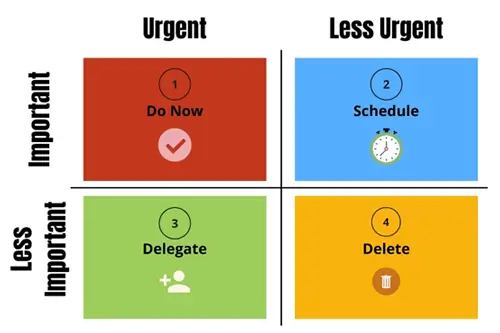
    That takes us to Time management matrix

    Quadrant IV activities (e.g. Netflix, scrolling social media) are neither important nor urgent. These are the distractions that make you feel good in short term, but there is no long-term tangible benefit. Minimize these activities.

    Quadrant III tasks (e.g. some meetings, responding to certain emails) give stress due to urgency, but do not move us towards our goals. So, ask who can do it for you? – Learning to delegate/ automate is an important skill. This way you leverage your time by using money/ people and technology. Utilize this additional free time doing things which move you towards your goals, help you earn or learn, and which you enjoy.

    Quadrant I tasks (e.g. submitting article for publication at the last minute, tax deadlines) are urgent and important; hence you must do it ASAP. But spending too much time on quadrant I tasks can result in burnout.

    Quadrant II tasks (e.g. Exercise, time with family) have no deadline, hence are easily postponed; though they are going to get you closer to your goal. It is better to schedule these activities. If you manage quadrant II well, you can avoid tasks getting migrated to quadrant I.

    Remember, priorities cannot be right or wrong, they are simply different for each one.

    Do you feel that time is flying past and you are stuck in a loop that is getting you nowhere? Then you need to take control of your life. Be ‘mindful’ instead of keeping your ‘mind full.’ Slow down, be in the moment. Achieve healthy balance with technology, decide what you want (and what you do not want) in life, set goals- make a plan- develop a habit and most importantly, be consistent.

    Just like we individualize treatments, each thing may not work for everyone. You need to try and assess what works for you. I can tell you the route I took, but there are many other roads that lead to the same destination- chose your own. I wish you all the best in your journey towards better life.

  • FITNESS MANTRA FOR ANAESTHESIOLOGISTS

    Dr Ketki Marodkar

    Professor,
    Department of Anaesthesiology,
    NKPSIMS & RC and Lata Mangeshkar Hospital, Digdoh,
    Nagpur

    Why Fitness?

    Modern world, with all its luxuries, comes with a baggage- ‘stress’, a word so habitual nowadays with children and adults alike! A child facing an exam, a mother manoeuvring her household chores and job, a father coping up with expenses from a tight pocket or a grandparent dealing with health issues, every person has some or the other stress!

              Doctors, moreso, the anaesthesiologists, face many unique stressors at workplace or visiting hospitals. Lengthy working hours, critical high risk surgeries, inadequate sleep, irregular eating times, emotionally challenging situations, inadequate resources, faulty equipments and lack of appreciation can make our lives miserable. Let alone the work stress, if we also think about tackling the family needs, the need to make social presence: get-togethers, yearly self-upgradation by conferences, CMEs, publications and finally “making the ends meet”- the ‘financials’, take all the happiness out of our lives!!

            Joyce Meyer has so rightly said, “Getting stress out of your life takes more than prayer alone. You must take action to make changes and stop doing whatever is causing the stress. You can learn to calm down in the way you handle things.”

    How to begin?

    Prevention is better than cure! So it’s better to begin before fitness is enforced on you by physician. Finding this “me-time” daily requires lot of self-discipline. Target should be doing 45 minutes of fitness activities for atleast five days a week.

    What to do?

    What form of exercise to choose is as per one’s liking and capacity. My mantra is to mix-n-match all the following types to attain fitness.

    1. Cardio (cardiovascular)- Various forms of ‘cardio’ exercises like running, skipping, jumping, climbing, elliptical training are intended to exercise our heart and increase heart rate and are good for losing  weight and improving cardiopulmonary reserve. Goal: 25-30 minutes of cardio every alternate day.
    • Strength Training – If you could do one thing to improve your health, strength training should be at the top of your list. Lifting a weight or squatting can improve muscle strength, lesser risk of injuries, lower body fat percentage, improve cardiac health & achieve better glycaemic control. Moreover it improves self esteem by making one look leaner and fitter.Goal: 40 minutes on 2 days a week.
    • Cycling/ Walking– are low intensity easy workouts. But these are good to improve stamina and are easy for those who cannot incorporate serious cardio due to injuries or arthritis. Goal: atleast 5000 steps walking per day.
    • Yogasanas: Yoga is derived from Sanskrit word ‘yuj’ meaning to unite the body, mind and emotions. Yoga is not a band-aid for the excess weight but it works on controlling the underlying causes. Its benefits extends beyond the calories-in-versus-calories-out equation. It can also reduce stress, lower cortisol levels, decrease anxiety and lowers need for medications for hypertension, diabetes and hypothyroidism. Moreover it increases flexibility and reduces the excess fat in the body. Goal: 15 minutes yoga daily
    • Pranayam or breathing exercises strengthen the connection between our body and mind, thereby promoting relaxation and improvement in lung function, blood pressure and brain function. Some beginner level exercises include deep breathing, anulom-vilom, bhastrika, kapaalbhati etc. Goal: 15 minutes pranayama atleast thrice a week.

    How to maintain fitness?

    Just doing exercises is not enough, consistency is of utmost importance. Moreover ‘eating clean’- i.e. consuminghealthy food and avoiding junk, maintaining hydration– i.e.drinking atleast three litres water per day, reducing screen time, bringing down the sedentary habits, getting atleast six hours of sound sleep and going easy on alcohol intake can work together towards achieving our fitness goals. So the bottomline: for staying ‘fit, active and happy’ eat clean, sweat it out, stay hydrated and sleep well.

                Lastly would like to conclude with a beautiful quote, “If you want something you’ve never had, you must be willing to do something you’ve never done.”

    So let’s all pledge to embark upon our fitness journey today!

  • Holistic Approach For Stress Management

    Dr Ranjana Deshmukh

    Sr. Consultant Anaesthesiologist
    Nagpur
    Dr. Ranjana Deshmukh
    Dr. Ranjana Deshmukh
  • Smoking And Anaesthesia

    Smoking And Anaesthesia

    Dr Gunjan Badwaik

    Consultant Anaesthesiologist
    Nagpur
    Dr. Gunjan Badwaik

    Introduction:

    WHO has described tobacco as ‘the only legal drug that kills many of its users when used exactly as intended by manufacturers’.[1] Smoking increases the risk of perioperative morbidity and mortality in a dose-dependent manner. Quitting smoking before surgery leads to a reduced incidence of postoperative complications. The longer the period of cessation before surgery, the greater the benefit.
    The National Survey on Drug Use and Health (NSDUH) defined a current smoker as one who confessed smoking part or all of a cigarette during the 30 days preceding the interview and consumed >100 cigarettes in his life time [2]. Light smoker: A smoker who confessed consuming between 1 and 10 cigarettes per day. Moderate smoker: A smoker who confessed consuming between 11 and 19 cigarettes per day. Heavy smoker: A smoker who consumes 20 cigarettes or more per day. Out of almost 4500 toxic substances in cigarette smoke, Nicotine and CO are the two toxic substances which are most undesirable. Electronic nicotine delivery systems or E cigarettes do not burn tobacco but instead vaporise nicotine solution and hence equally dangerous. As Passive smoking or second‑hand smoking is unintentional inhalation, smokes are unfiltered, contain more carcinogenic and irritant materials and possess a greater health hazard than active smoking. So history suggestive of passive smoking should be asked by anaesthesiologist. Hukka contain more nicotine (2%–4% vs. 1%–3%) and higher CO concentration (0.34%–1.4% vs. 0.41%) than cigarette.

    When to stop smoking before surgery?

    There is an ill‑founded study that stopping smoking shortly before surgery may increase complications [3]. However, a recent meta‑analysis concludes no such association.[4] Quitting smoking at any time before or after surgery is always beneficial for the patients.[5] Stopping smoking even for 1 day before surgery helps in improving tissue oxygen delivery by reducing the carboxyhaemoglobin (COHb) levels and shifting the oxygen dissociation curve to the right. The half‑life of nicotine and COHb are 30–60 min and 4–6 h, respectively.[6] However, to reduce the volume of sputum production, smoking cessation of at least for 1–2 weeks is needed.[6] Abstinence of at least 3–4 weeks is needed to reduce complications related to wound healing.[7] Most investigators suggest that stopping smoking 2 months before surgery provides the maximum benefit.[9]

    Systemic Effects of Smoking:

    Cardiovascular system
    Nicotine stimulates the adrenal medulla to secrete adrenaline which stimulates the sympathetic system. The resultant increases in heart rate, blood pressure, contractility and peripheral vascular resistance imbalances the myocardial oxygen supply‑demand ratio which makes the heart vulnerable for ischaemic damage.[10]

    Respiratory system
    The irritants and ciliotoxins present in tobacco smoke increases mucous production and weakens the mucus clearance mechanism in the tracheobronchial tree.[11] This leads to clogging of the lungs with hyper‑viscous thick mucus secretion, bacteria and dead cells making lungs vulnerable to various infections.[12] An increase in proteolytic and elastolytic enzymes leads to loss of elasticity and emphysema. Furthermore, CO in the cigarette smoke binds to haemoglobin replacing oxygen with COHb up to 7%–15% and this shifts the oxygen dissociation curves to left and will reduce oxygen availability to tissues.[13] Strong affinity of CO for binding to haemoglobin (250 times more than that of oxygen) can be offset by allowing the patients to breath 100% oxygen before anaesthesia induction. Increased airway reactivity due to smoke irritants predisposes the patient to frequent episodes of breath holding, laryngeal spasm, bronchospasm, hypoventilation and hypoxia during anaesthesia induction and emergence.

    Gastrointestinal system
    Smoking relax the gastro‑oesophageal sphincter, which returns to normal within minutes after stopping.

    Renal system
    Smoking results in increased secretion of anti‑diuretic hormone leading to dilutional hyponatraemia.

    Hepatobilliary system
    The pharmacokinetics and pharmacodynamics of drugs being metabolised in the liver become unpredictable because of induction of liver microsomal enzymes because of smoking.

    Neuromuscular junction
    The potency of amino steroid muscle relaxants (rocuronium and vecuronium) decreases in smoker. Although the exact mechanism is not clear, altered pharmacodynamics leading to either resistance or increased metabolism of drug at the receptor site has been suggested. [14,15]

    Immunological function
    Smoking impairs humoral activity and cell‑mediated immunity and decreases immunoglobulin and leucocyte activity which predisposes the smoker to increased risk of infection and malignancy.

    Anaesthesia Management

    Pre‑operative assessment
    Patients are advised to stop smoking on their first pre‑operative visit. Abstinence of 8 weeks would be ideal however, an abstinence for 12–14 hours improve ciliary function and brings down the nicotine level to normal. Abstinence related anxiety and nicotine withdrawal symptoms need to be reassured and treated symptomatically.

    Regional anaesthesia
    Patients suitable for regional anaesthesia should be counselled and a suitable regional analgesia technique is used. High‑level of neuraxial blockade may result in difficulty in breathing by abolishing expiratory muscle power. Epidural analgesia must be considered in suitable cases for early mobilisation.

    Pre-medication
    Antisialogogues are important to reduce secretions and prevent spasm. Good analgesia and sedation ensure better depth of anaesthesia. Opioids are preferred over NSAIDS for risk of spasms.

    Induction of anaesthesia
    Anaesthesia induction should be preceded by pre‑oxygenation with 100% oxygen. Adequate depth of anaesthesia at the time of laryngoscopy and tracheal intubation has to be maintained to minimise the risk of bronchospasm. Ketamine increases secretions whereas sulphur moiety in Thiopentone can produce bronchospasm. Propofol abolishes airway reflexes and hence considered ideal for induction.

    Inhaled Anaesthetics
    Its better to use non irritant inhalational agents like sevoflurane or Halothane rather than irritant agents like Isoflurane.

    Muscle Relaxants
    Smokers may need an additional dose of amino‑steroid neuromuscular blocking agents because of altered pharmacodynamics at the neuromuscular junction receptors. Histamine secreting agents like Atracurium should be avoided.[16,17]

    Post‑operative period
    Early mobilisation is encouraged whenever feasible to improve lung function and sputum clearance. Smokers neither have a lower threshold for pain nor do they need less analgesia than non‑smokers.

    Post‑operative nausea and vomiting
    Smokers may have developed statistically insignificant tolerance to PONV because of the chronic emetogenic influence of nicotine.

    Conclusion
    Smoking is a health hazard and no amount of smoking is safe. Anaesthesiologist should have complete knowledge about pathophysiology and effects of smoking for successful patient management.

    References:

    1. World Health Organisation. WHO global report of trends in prevalence of tobacco smoking. Geneva: WHO Press; 2015
    2. 2.Ryan H, Trosclair A, Gfroerer J. Adult current smoking: Differences in definitions and prevalence estimates – NHIS and NSDUH, 2008.J Environ Public Health 2012;2012:918368.
    3. Warner MA, Offord KP, Warner ME, Lennon RL, Conover Jansson‑Schumacher U. Role of preoperative cessation of smoking and other factors in postoperative pulmonary complications: A blinded prospective study of coronary artery bypass patients. Mayo Clin Proc1989;64:609‑16.
    4. Myers K, Hajek P, Hinds C, McRobbie H. Stopping smoking shortly before surgery and postoperative complications: A systematic review and meta‑analysis. Arch Intern Med 2011;171:983‑9.
    5. van Domburg RT, Meeter K, van Berkel DF, Veldkamp RF,van Herwerden LA, Bogers AJ. Smoking cessation reduces mortality after coronary artery bypass surgery: A 20‑year follow‑up study. J AmColl Cardiol 2000;36:878‑83.
    6. Moores LK. Smoking and postoperative pulmonary complications. An evidence‑based review of the recent literature. Clin Chest Med S2000;21:139‑46.
    7. Wong J, Lam DP, Abrishami A, Chan MT, Chung F. Short‑term preoperative smoking cessation and postoperative complications: A systematic review and meta‑analysis. Can J Anaesth 2012;59:268‑79.
    8. Bluman LG, Mosca L, Newman N, Simon DG. Preoperative smoking habits and postoperative pulmonary complications. Chest 1998;113:883‑9.
    9. Khan MA, Hussain SF. Pre‑operative pulmonary evaluation. J Ayub Med Coll Abbottabad 2005;17:82‑6.
    10. Erskine RJ, Hanning CD. Do I advise my patient to stop smoking pre‑operatively? Curr Anaesth Crit Care 1992;3:175‑80.
    11. Pearce AC, Jones RM. Smoking and anesthesia: Preoperative abstinence and perioperative morbidity. Anesthesiology 1984;61:576‑84.
    12. Schwilk B, Bothner U, Schraag S, Georgieff M. Perioperative respiratory
      events in smokers and nonsmokers undergoing general anaesthesia. Acta Anaesthesiol Scand 1997;41:348‑55.
    13. Castleden CM, Cole PV. Carboxyhaemoglobin levels of smokers and non‑smokers working in the city of London. Br J Ind Med
      1975;32:115‑8.
    14. Farhat K, Waheed A, Pasha AK, Iqbal J, Mansoor Q. Effect of smoking
      on nausea, vomiting and pain in the post‑operative period. J Postgrad
      Med Int 2014;28:277‑81.
    15. Chimbira W, Sweeney BP. The effect of smoking on postoperative nausea and vomiting. Anaesthesia 2000;55:540‑4.
    16. Teiriä H, Rautoma P, Yli‑Hankala A. Effect of smoking on dose requirements for vecuronium. Br J Anaesth 1996;76:154‑5.
    17. Latorre F, de Almeida MC, Stanek A, Kleemann PP. The interaction between rocuronium and smoking. The effect of smoking on neuromuscular transmission after rocuronium. Anaesthesist 1997;46:493‑5.
  • The Winning Jugad : AWAKE FIBEROPTIC NASAL INTUBATION-MY WAY OF DOING IT

    The Winning Jugad : AWAKE FIBEROPTIC NASAL INTUBATION-MY WAY OF DOING IT

    Dr Ravi Mundada

    Consultant Anaesthesiologist
    Suretech Hospital, Nagpur

    In cases of anticipated difficult intubation, my preference is for awake fibre optic intubation, employing a slightly different approach that simplifies the procedure, enhances safety, ease, and speed. In the conventional method, the endotracheal tube (ETT) is threaded over the bronchoscope, followed by bronchoscopy, and the entire length of the ETT is slid downwards. However, this approach can lead to challenges, such as getting lost in the nasal cavity or encountering significant resistance, causing discomfort for the patient.

    After encountering these challenges in conventional bronchoscopy, I developed a modified approach. I decided to first insert a flexometallic ETT from the nose to the nasopharynx and then introduce the bronchoscope through it. This modification has proven to make the procedure more straightforward, faster, and more comfortable for the patient.

    Here is a breakdown of my method:

    1. Preoperative visit to explain the procedure to the patient, obtaining their cooperation during the intervention.
    2. Nebulization with 4% xylocaine.
    3. Administration of adequate topical anesthesia with lignocaine jelly after ensuring proper patency of the nares.
    4. Insertion of an appropriately sized flexometallic ETT from the nares to the nasopharynx.
    5. Light sedation with midazolam and fentanyl (optional).
    6. Introduction of the bronchoscope through the ETT until the vocal cords are visible.
    7. Spraying 2% lignocaine (2+2cc) over the vocal cords, waiting for 20 to 30 seconds, and then advancing the scope until just about the carina.
    8. Sliding the remaining ETT and adjusting it above the carina.

    Advantages of this method include:

    1. The Flexometallic ETT acts as a tunnel for the scope from the nares to the nasopharynx, bypassing nasal cavity resistance.
    2. It becomes easier to pass the scope to the supraglottic area, and the remaining ETT can be inserted more smoothly.
    3. The actual procedure requires less time.
    4. Anesthesiologists with limited knowledge of the nasal cavity and nasopharynx can perform the procedure more easily.

    This simple modification of placing the ETT before bronchoscopy enhances the ease, safety, and speed of the procedure, making it more patient-friendly. To truly appreciate the simplicity of this method, one must experience it firsthand.

  • Our Social Mission: No Tobacco for Safe Anaesthesia

    Our Social Mission: No Tobacco for Safe Anaesthesia

    Dr. Sachin Jambhorkar

    Consultant Anaesthesiologist & Pain Specialist,
    National Cancer Institute, Nagpur.

       देखणा देवानंद या ओळी म्हणत पडद्यावर धूम्रवलये सोडतो आणि हजारो तरुण त्याची नक्कल करत आणि ‘live life kingsize’ सारख्या जाहीरातींना बळी पडत स्वतःच्या जीवनाची तंबाखूमुळे अक्षरशः राखरांगोळी करुन घेतात. त्यांच्या भाळी ‘जिंदगीका साथ निभाना’ नाही तर  

    एवढेच म्हणणे शिल्लक राहते….

            चित्रपटांनी आणि जाहिरातींनी वलयांकित केलेलं धूम्रपान आणि तंबाखूसेवन प्रत्यक्ष आरोग्यासाठी आणि शस्त्रक्रियेसाठीची भूल घेताना कसे हानीकारक आहे, हे या लेखात आपण जाणून घेवू या.

           दरवर्षी तंबाखूसेवनामुळे जगभरात सुमारे साठ लाख लोक मृत्युमुखी पडतात आणि त्यातील एक-षष्ठमांश म्हणजे सुमारे दहा लाख लोक एकट्या भारतात मृत्युमुखी पडतात. T.B.,HIV/AIDS आणि मलेरिया या तिन्हीमुळे मरणार्यांच्या संख्येपेक्षा एकट्या तंबाखूसेवनामुळे मरणार्यांची संख्या जास्तं आहे. गुप्ता व अन्य यांनी केलेल्या एका सर्वेक्षणानुसार ३५ ते ६९ या वयोगटातील पुरुषांमधील एकूण मृत्यूंच्या संख्येतील सुमारे २३.७% आणि स्त्रियांमधील ५.७% मृत्यू हे तंबाखूजन्य आजारांमुळे होतात. वर्ष २००९च्या Global Adult Tobacco Survey (GATS) च्या सर्वेक्षणानुसार आज जगातील वय वर्षे १५ च्या वरील एकूण लोकसंख्येच्या ३४.६% लोक (४७.९% पुरुष आणि २०.३% स्त्रिया) हे तंबाखू किंवा तंबाखूजन्य पदार्थांचे सेवन करतात.यातील एकूण १४% (यात २४.३% पुरुष व २.९% स्त्रिया) हे धूम्रपान स्वरुपात तंबाखूचे सेवन करतात आणि २५.९% (३२.९% पुरुष व १८.४% महिला) हे अन्य तंबाखूजन्य पदार्थांचे सेवन करतात. भारतातील तंबाखू सेवनाची समस्या ही वैशिष्ट्यपूर्ण असून यात तंबाखू, बिडी, सिगारेट, गुटखा,खर्रा,खैनी आदि विविध स्वरुपात तंबाखूचे सेवन केल्या जाते.

    तंबाखूसेवनाचे आरोग्यासाठी दुष्परिणाम:

    तंबाखू ही प्रत्येक स्वरुपात आरोग्यासाठी हानिकारकच आहे. International Agency for Research on Cancer च्या अहवालानुसार तंबाखू आणि सिगारेटमुळे फुफ्फुसे, मुख, जीभ,पडजीभ,नाक,स्वरयंत्र,अन्ननलिका(oesophagus), उदर, यकृत, किडनी, स्वादुपिंड, oro and nasopharynx, nasal & paranasal sinuses, युरेटर, युरिनरी ब्लॅडर, गर्भपिशवी आणि बोन मॅरो (मायलाॅईड ल्युकेमिया) आदि कर्करोग संभवतात. फुफ्फुसांच्या कर्करोगाने होणार्या मृत्यूमध्ये पुरुषांमध्ये ९९% तर स्त्रियांमध्ये ८०% कारण धूम्रपान हे असते. धूम्रपानामुळे प्रजननसंस्था, हृदय व रक्तवाहिन्यांना हानी पोहोचते तसेच Chronic Obstructive pulmonary disease सारखे रोग होतात. भारतातील TB या रोगाच्या ४०% कारणांचा धूम्रपानाशी संबंध जोडता येतो. तंबाखू लागवडीच्या परिसरात काम करणार्या कारागिरांमध्ये ग्रीन टोबॅको सिकनेस नावाचा आजार आढळून येतो जो निकोटिन त्वचेतून शरीरात गेल्यामुळे होतो. तंबाखूमुळे रक्तदाब आणि धडधड वाढते. गर्भावस्थेत तंबाखू सेवन केल्यास मुदतपूर्व प्रसूती,Pre-eclampsia, increased placental weight,बाळाच्या वजनात घट आदि दुष्परिणाम संभवतात. पुरुषांमध्ये वीर्याच्या प्रमाणाची कमी, शुक्राणूंची कमी,शुक्राणूंच्या वेगाची कमी आणि अनैसर्गिक शुक्राणू आदि दोष संभवतात.

    तंबाखूसेवनाचे शरीराच्या अन्य विविध संस्थांवर परिणाम:

    १] हृदय-रक्ताभिसरण व मज्जासंस्था:

    निकोटियाना या जातीच्या ७० हून अधिक प्रजातींपासून तंबाखू तयार केली जाते, ज्यात निकोटियाना टोबॅकम ही प्रमुख प्रजाती आहे. सिगारेटच्या धूरात ४५०० पेक्षा जास्त केमिकल्स असून बाष्प स्वरूपात कार्बन-मोनो-ऑक्साईड आणि घन स्वरुपात निकोटिन हे प्रमुख घातक पदार्थ असतात.

    कार्बन-मोनो-ऑक्साईड:

    कार्बन-मोनो-ऑक्साईड हा सिगारेट धूरातील प्रमुख बाष्प पदार्थ असून पेशीपर्यंत प्राणवायू पोहोचविण्याच्या प्रक्रियेत याचा प्रमुख दुष्परिणाम आढळून येतो. रक्तातील हिमोग्लोबिनसह मिळून हा कार्बाॅक्सीहिमोग्लोबिन नावाचा विषारी पदार्थ तयार करतो आणि शरीराला आवश्यक असणार्या ऑक्सीहिमोग्लोबिनची उपलब्धता कमी करतो.यामुळे रक्ताची पेशींना प्राणवायू पुरवण्याची क्षमता कमी होवून धुम्रपान करणार्या व्यक्तींमध्ये हायपाॅक्सिया किंवा प्राणवायूची कमतरता लवकर होण्याची शक्यता बळावते.

    निकोटिन:

    निकोटिन हा सिगारेट धूरातील प्रमुख घन पदार्थ असून तो व्यसनप्रवण करणारा (अॅडिक्टिव) आहे. मानवी शरीरातील acetylcholine या पदार्थाशी, जो मज्जासंस्थेच्या दळणवळणात महत्वाची भूमिका बजावतो त्याच्याशी निकोटिनचे भूमितीय साधर्म्य (Structural similarity) आहे. एका सिगारेट मध्ये २ ग्रॅम निकोटिन असते. सिगारेटचा एक कश मारल्यावर २० सेकंदात निकोटिन मेंदूत पोहोचून काम सुरु करते.अॅसिटीलकोलीन रिसेप्टर्सला चालना देवून ते noradrenaline, adrenaline, vasopressin, serotonin, dopamine आणि beta-endorphine आदि पदार्थांचा शरीरात स्राव सुरु करते; ज्यामुळे छातीत धडधडणे सुरु होवून हृदयाची प्राणवायूची गरज वाढते. धूम्रपानामुळे peripheral vascular disease, thromboembolic disease,stroke आणि मेंदूतील रक्तस्त्रावाची शक्यता बळावते. धूम्रपानामुळे कोरोनरी हार्ट डिसीज आणि हृदयविकाराच्या शक्यतेत चारपट वाढ होते.

    २] श्वसनसंस्था:

    ९०% फुफ्फुसांच्या कर्करोगाचे कारण धूम्रपान हे असते. धूम्रपान करणार्या २०% लोकांमध्ये Chronic Obstructive Pulmonary Disease होतो. धूम्रपानामुळे हवेचा मार्ग अतिसंवेदनशील होतो ज्यामुळे भूल देतांना खोकला, श्वास रोखून ठेवणे, laryngospasm आदि जीवघेणे दुष्परिणाम होवू शकतात. कफाचे प्रमाण आणि घट्टपणा वाढतो तसेच कफ बाहेर काढण्याचं काम करणारे श्वसनसंस्थेतील केससदृश cilia निकामी होतात. यामुळे कफ छातीत दाटून न्यूमोनिया आणि रेस्पिरेटरी फेल्युअरसारखे घातक दुष्परिणाम भूल देतांना संभवतात.

    ३] पचनसंस्था: 

    धूम्रपानामुळे gastro-esophageal sphincter अशक्त होवून gastro-esophageal reflux disease आणि peptic ulcer चे प्रमाण बळावते. तसेच chrohn’s disease आणि ulcerative colitis सारख्या रोगांची शक्यताही बळावते.

    ४] रोगप्रतिकारशक्ती:

    धूम्रपानामुळे रोगप्रतिकारसंस्था अशक्त होते, ज्यामुळे शस्त्रक्रियेचे घाव भरण्यात विलंब आणि इन्फेक्शनचे प्रमाण वाढते. याशिवाय धूम्रपानामुळे हाडांचे मेटाबाॅलिजम कमकुवत होते आणि अस्थिभंग जुळून येणे लांबूही शकते.

    ५] निकोटिनमुळे अनेक औषधांचे मेटाबाॅलिजम प्रभावित होते. जसे theophylline, caffeine, haloperidol,propranolol and volatile agents. नियमित धूम्रपान करणार्या रुग्णांमध्ये अफूजन्य वेदनाशामके जसे माॅर्फिन,फेन्टानिल आदिंची शस्त्रक्रियेनंतर अधिक मात्रेत गरज भासते.

    २६,००० रुग्णांमधील एका सर्वेक्षणानुसार धूम्रपान करणार्या २६% रुग्णांमध्ये शस्त्रक्रिये व भूलेदरम्यान श्वसनसंस्थेशी निगडित गुंतागुंत आढळून येते. यात श्वासाची नळी काढल्यानंतर पुनः नळी टाकण्याची पाळी येणे, laryngospasm, bronchospasm, aspiration, hypoventilation and hypoxemia आणि pulmonary oedema आदि गुंतागुंतीचे प्रकार होवू शकतात. शस्त्रक्रियेपूर्वी धूम्रपान करणार्या रुग्णांमध्ये शस्त्रक्रियेनंतर अतिदक्षता विभागातील मुक्कामातील वाढ, पुनः गडबडीत अॅडमिशन आणि शस्त्रक्रियेनंतर रुग्णालयात अधिक काळ वास्तव्याची गरजही आढळून येते.

    वरील दुष्परिणाम बघता आणि अनेक अभ्यासांअंती हे सिद्ध झाले आहे की शस्त्रक्रियेपूर्वी काही आठवडे तरी धूम्रपान वर्ज्य करणे हे रुग्णासाठी हितकारक आहे.

    वरील सर्व वर्णनावरुन हाच बोध घेणे आवश्यक आहे की,

    “तंबाखूचे सेवन म्हणजे मृत्यूस आमंत्रण.”

  • INCREDIBLE TIMELINE OF GENERAL ANAESTHESIA

    Dr. Neha Gulkari (Fuladi)

    DA, MD, DNB, FIPM
    Consultant Anaesthesiologist & Pain Physician
    National Cancer Institute, Nagpur

    Introduction:

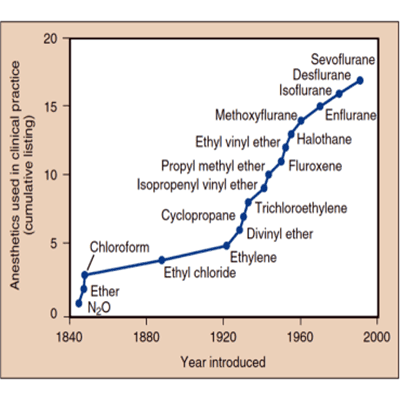
    The history of general anesthesia is a testament to human ingenuity and relentless pursuit of medical advancement. It is a remarkable journey that has transformed the landscape of surgery, relieving patients of agony and terror associated with undergoing surgical procedures. The incredible timeline of general anesthesia takes us through centuries of innovation, experimentation, and, at times, serendipity. From the ancient remedies and herbal concoctions of antiquity to the meticulously controlled administration of modern anesthetics, this chronicle unveils the evolution of a medical marvel that has revolutionized healthcare. In this write-up, I embark on a captivating exploration of key milestones, visionary individuals, and groundbreaking discoveries that have shaped the practice of general anesthesia into what it is today. Join me as we journey through time, witnessing the birth of painless surgery and the dawn of a new era in medicine.

    Ancient Remedies and Early Discoveries (Antiquity to 17th Century)

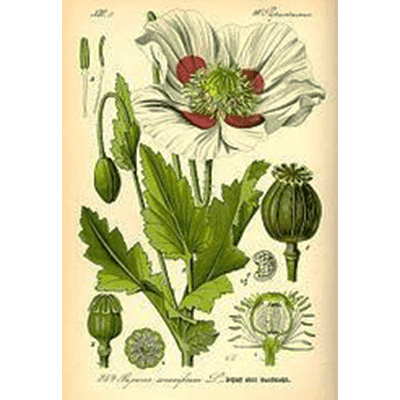
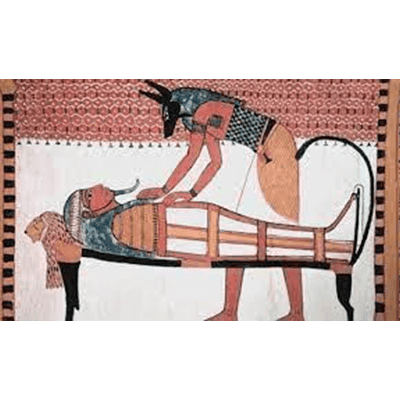
    • Ancient Egypt: Records suggest that the ancient Egyptians used opium and alcohol as anesthetics during medical procedures as early as 2000 BC.
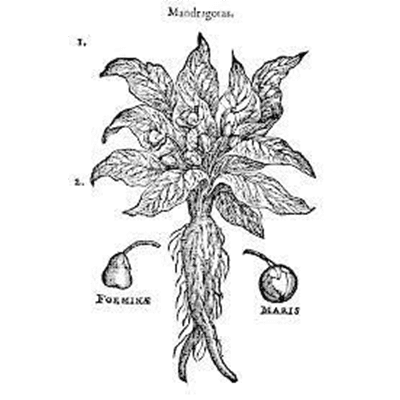
    • Ancient Greece: The Greek physician Dioscorides documented the use of mandrake root and henbane as sedatives.
    • Hippocrates: The “Father of Medicine” described the effects of hemlock and mandrake in pain relief.

    18th Century: The Ether Era  

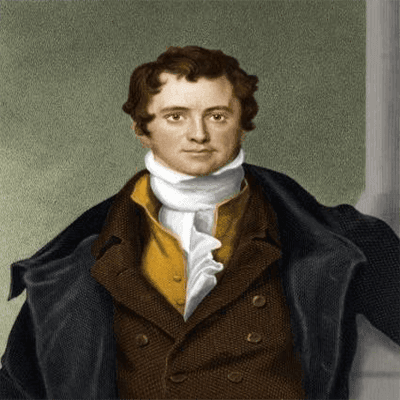
    • Sir Humphry Davy: In 1800, Davy experimented with nitrous oxide (laughing gas) and noted its anesthetic properties.
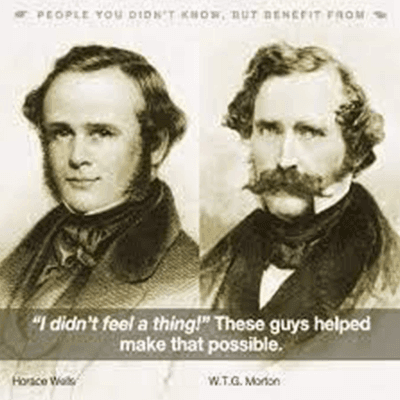
    • Horace Wells: In 1844, Wells became the first to use nitrous oxide as an anesthetic for a dental extraction.
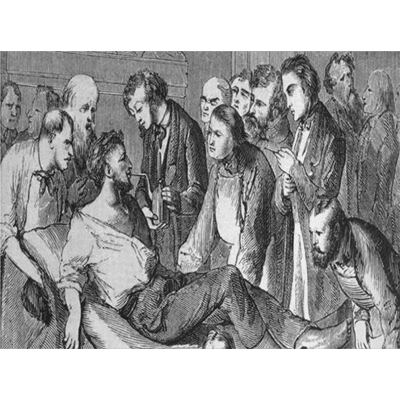
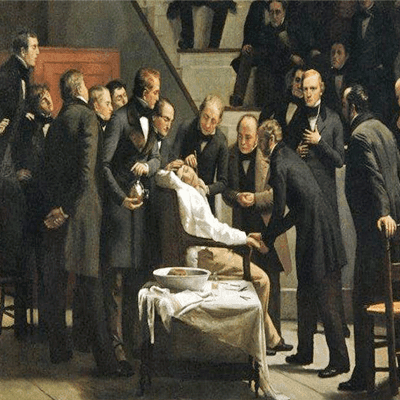
    • William T. G. Morton: In 1846, Morton performed the first public demonstration of surgical anesthesia using ether at Massachusetts General Hospital.

    19th Century: The Ether and Chloroform Era            

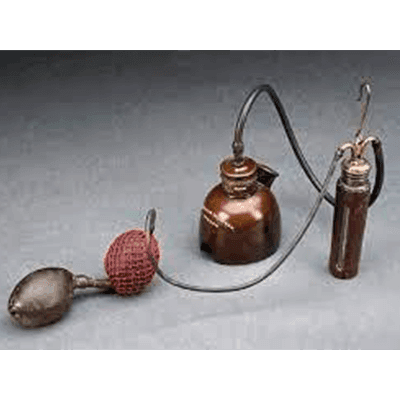
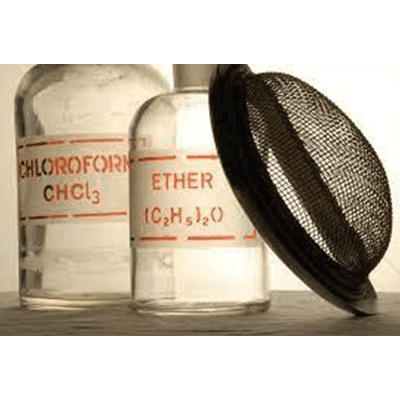
    • Ether vs. Chloroform: The debate between the use of ether and chloroform for anesthesia divided the medical community in the mid-19th century.
    • James Young Simpson: In 1847, Simpson advocated for the use of chloroform, which gained popularity in the UK and Europe.
    • John Snow: Snow, a pioneer in epidemiology, also made significant contributions to anesthesiology, including the use of chloroform and the development of inhalation anesthesia techniques.

    20th Century: Modernization and Advancements

    Throughout the 20th century, anesthesia techniques continued to advance with the development of new and safe drugs, improved monitoring equipment, and safer administration methods. Anesthesiologists became a distinct medical specialty.

    Pharmacological Advances:

    • Neuromuscular Blockers: The introduction of neuromuscular blocking agents revolutionized anesthesia by enabling better control of muscle relaxation during surgery.
    • Neuromuscular Blockade Reversal Agents: Sugammadex:  has been used to rapidly reverse the effects of neuromuscular blockade, allowing  quicker post-operative recovery of muscle function and fewer respiratory complications.
    • Emerging Anesthetic Agents: Dexmedetomidine: This sedative and analgesic agent has gained popularity for its ability to provide sedation without respiratory depression. It’s often used in conjunction with general anesthesia to enhance patient comfort and reduce opioid requirements.
    • Inhalation Anesthetics: There has been ongoing research into new inhalation anesthetics that are more potent and have a faster onset of action. 
    • Modern Anesthetic Agents: Desflurane and sevoflurane continue to be popular inhalational anesthetics due to their rapid onset and offset of action, minimizing the time patients spend under anesthesia.
    • Emerging Inhalational Agents: Researchers have been exploring the use of novel inhalational agents with potentially improved safety profiles and quicker recoveries, Like  xenon and noble gases.
    • Monitoring Technology:      
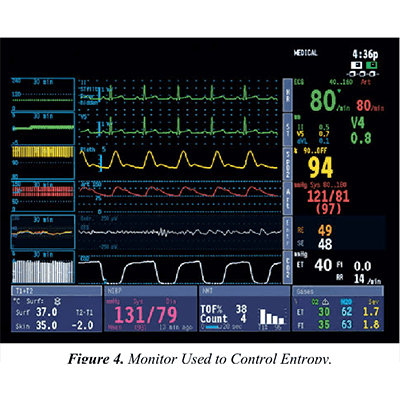
    • Depth of Anesthesia Monitoring:  Advances in depth of anesthesia monitoring, such as the bispectral index (BIS), entropy help anesthesiologists gauge the patient’s level of consciousness more accurately. This enables them to titrate dosages more precisely, reducing the risk of awareness during surgery.
    • Hemodynamic Monitoring: Improved monitoring of a patient’s cardiovascular status during surgery can help anesthesiologists make real-time adjustments to anesthesia dosages and reduce the risk of complications.
    • Regional Anesthesia: Ultrasound-Guided Techniques: The use of ultrasound for nerve blocks and regional anesthesia has become more widespread. It offers greater precision in targeting nerves and can reduce the amount of general anesthesia required during surgery.
    • Monitoring and Safety: Advances in monitoring equipment, including pulse oximeters, capnography, and electroencephalogram (EEG) monitors, improved patient safety.
    • 21st Century: Precision and Safety
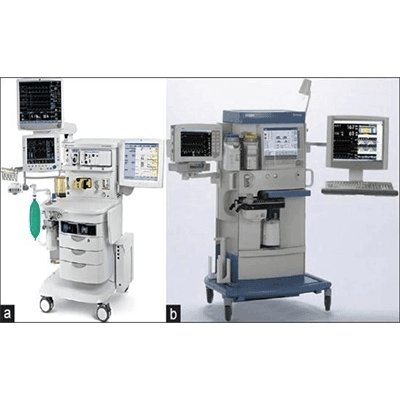
    • Low-Flow Anesthesia: This technique reduces the flow of inhaled anesthetics and oxygen, leading to cost savings and a reduced environmental footprint. Advanced anesthesia machines are equipped with precise vaporizers and monitoring systems to optimize low-flow delivery.
    • Real-time Gas Analysis:
      • Modern anesthesia machines are equipped with gas analyzers that continuously measure the concentrations of inhaled and exhaled gases, ensuring the delivery of accurate concentrations and allowing for rapid adjustments as needed.
    • Volatile Anesthetic Delivery Systems:
      • Advanced vaporizers and delivery systems have been developed to ensure the precise administration of inhalational anesthetics, reducing the risk of overdose or inadequate anesthesia.
    • Waste Gas Management:
      • Improved scavenging systems and workplace safety protocols to protect healthcare workers and the environment have been developed.
    • Training and Simulation:
      • The use of advanced simulators and virtual reality training tools improve the training of anesthesiologists in the safe and effective administration of anesthesia.
    • Targeted Anesthesia: Anesthesiologists use advanced monitoring and pharmacological techniques to deliver precise anesthesia tailored to individual patients.
    • Patient-Centered Care: Enhanced Recovery After Surgery (ERAS): ERAS protocols have improved patient outcomes by optimizing preoperative, intraoperative, and postoperative care. Thus speed up recovery and reduce the duration of hospital stays.
    • Robot-Assisted Surgery: The advent of robotic surgery has led to minimally invasive procedures that often require lighter levels of anesthesia.
    • Emerging Technologies: Artificial intelligence and closed-loop anesthesia systems are being explored for real-time adjustments of anesthesia depth.
    • Closed-Loop Anesthesia Systems: These use feedback control mechanisms to continuously adjust concentration of inhaled anesthetics based on the patient’s physiological parameters. Thus aim to maintain a precise depth of anesthesia , minimizing the use of anesthetic agents, leading to faster recovery.
    • Artificial Intelligence (AI): AI and machine learning algorithms are being explored to  predict patient responses to anesthesia drugs and tailor anesthesia plans to individual patients more effectively.

    Conclusion: The incredible timeline of general anesthesia showcases the  tireless efforts of medical professionals and researchers who have made surgery safer, more comfortable, and accessible to countless patients worldwide. As we continue into the future, the journey of anesthesia promises even more innovations and advancements in the quest for painless and safe surgical experiences.

    It has enabled a wide range of medical procedures that would have been unthinkable without effective anesthesia techniques. As we move forward, it is our responsibility to honor this legacy by continuing to advance the field of anesthesia, ensuring that the next chapters of this extraordinary story are characterized by even greater precision, safety, and patient-centered care. The timeline of general anesthesia serves as a testament to human achievement, a source of inspiration, and a reminder that there are no limits to what we can accomplish in the pursuit of medical excellence.

    The incredible timeline of general anesthesia is a reminder of what can be achieved when science and compassion converge to alleviate suffering and extend the boundaries of what is possible.