Category: eSense

  • Essay 04 – Safe Anesthesia: Right of Every Mother and Child

    Dr. Nilay Mangrulkar

    Assistant professor, IGGMC

    Primum non nocere– “First, do no harm” is the fundamental aspect of ethics of Hippocratic oath we took on our first day of MBBS and throughout our journey as an Anaesthesiologist. This aspect became a core principle of our practice.

    Maternal and neonatal safety are cornerstone of our healthcare system. Not long ago , majority of deliveries used to happen at homes. Overtime obstetric care became more institutionalised and anaesthesia started forming a critical part of essential obstetric services. In our past two decades, MMR( Maternal Mortality Rate) has fallen dramatically  by about 70% between 2000 and 2020. But we have long journey ahead of us. Safe anaesthesia remains a privilege, not a right.

    Safe anaesthesia is an ethical and medical right of every mother and newborn and not just a luxury. Mother’s in remote or resource poor setting often undergo surgery or interventions without full monitoring, trained staff or emergency backup. In rural PHC, many women undergo tubal ligation procedure under Local anaesthesia without proper monitoring and anaesthesia backup. Their high endurance for pain is taken for granted regardless of effectiveness of local anaesthesia. Hypotension, shivering and nausea , these are manageable risks.

    For safe obstetric anaesthesia, we need to have not just skilled workforce but timely access to trained personnel, appropriate monitoring equipment. We should be well trained to perform airway management, prevention of aspiration , emergency resuscitation. A well equipped infrastructure must include essential equipment and basic drugs. We must sensitise the administration to provide ECG,  SpO2 , NIBP, capnography monitors so as to provide standard of care. Blood banks  to issue blood on priority basis for postpartum hemorrhage.

    Of course lacunae and gaps are present in giving anaesthesia services at primary as well as in tertiary setups. Many of which are attributed to regional differences in health infrastructure, workforce and protocols. These gaps can be reduced by making policy initiatives and setting up our own guidelines and advisory to set uniform standards. In our own setup we must display difficult airway charts, maternal and neonatal resuscitation guidelines, organise mock drills, guidelines for managing postpartum hemorrhage. Setup Simulation labs for training of anaesthetists , obstetricians as well as primary healthcare providers at rural and urban centers.

    Thesis and Audits need to be done on regular basis so as to collect data and hence update protocols to act upon it. Just to highlight importance of research , we came to know the importance of Magnesium Sulphate in prevention and treatment of Eclampsia in pregnant females through various meta-analysis. With the help of research we came to know about importance of tranexamic acid in bleeding parturients. Various pressor agents like phenylephrine and ephedrine found their specific role in our day to day practice. A decision of what and when a drug is to be used in a particular situation is mostly decided on it.

    Through research itself we have established that Regional anaesthesia for cesarean section is preferable to General anaesthesia to lessen the risk of aspiration, avoid depressant anaesthetic drugs, shorten recovery time and hence reduce maternal and fetal morbidity and mortality

    Respectful care, informed consent and adequate pain relief is a right of every mother. For working class women seeking health insurance , most of the policies either do not cover vaginal or cesarean section or keep a 2-3 years waiting period; this itself create hurdels in providing basic healthcare, increasing financial burden on families. Policy makers in government must make some amendments towards this cause.

    Policy initiatives in India have made programs focused on Maternal health. LaQshya programme is to improve quality of care for pregnant women during labour and immediate postpartum period. Whereas PMSMA( Pradhan Mantri Surakshit Matritva Abhiyan) is to provide free , assured and quality antenatal checkup services to all pregnant women. Just recently IMR(Infant Mortality Rate) in Kerala has dropped to 5/1000 live births in 2023. This achievement is a result of decades of investment in maternal and child healthcare. We all can draw instirations from it.

    Safe Anaesthesia must be elevated from a technical concern to a rights issue. The history shows progress but we have a long way to go.

  • Essay 03 – Safe Anesthesia: Right of Every Mother and Child

    Dr. Shweta Bulle

    Consultant Anaesthesiologist,
    Indira IVF, Nagpur

    Mission of ISA-NCB 2025-26 stands clear and compassionate- Safe Anesthesia: the right of every mother and child. It’s the journey from birth to enlightment. Just as the monk walks towards wisdom, anesthesiologists walk each step with safety, compassion and mindfullness; safeguarding every mother and every child.

    “Between a mother’s heartbeat and a baby’s first cry,
    lies the quiet vigilance of anesthesia; unseen, yet life’s gentle ally.”

    Safe anesthesia is not a privilege; it is a fundamental right of every mother and child. From the first breath drawn in the delivery room to the complex journeys of assisted reproduction, anesthesia forms the invisible shield that ensures safety, comfort, and dignity in the most delicate moments of human life.

    Art of Rangoli and painting by Dr. Shweta Bulle
    Art of Rangoli and painting by Dr. Shweta Bulle

    The journey toward motherhood often begins with hope and sometimes, with science. In-vitro fertilization (IVF) has transformed this hope into reality for countless women. Anesthesiologists play a silent yet crucial role in this process, providing safe sedation during oocyte retrieval and managing peri-procedural pain with utmost precision. The use of short-acting, minimally depressant agents ensures the safety of both mother and potential embryos. In IVF suites, anesthesiologists balance compassion with technology, ensuring that every

    woman’s dream of motherhood unfolds without fear or discomfort.

    Once conception succeeds, the focus shifts to obstetric anesthesia. It is a field where safety and vigilance must be absolute. The physiological changes of pregnancy pose unique challenges: altered drug pharmacokinetics, increased aspiration risk, and the ever-present responsibility of caring for two lives. The choice between regional and general anesthesia is guided by safety first, always weighing maternal comfort with fetal well-being. Epidural analgesia not only reduces labor pain but also enhances the birth experience. It empowers mothers to deliver with confidence rather than fear.

    Yet, the concept of safety today extends beyond the operating room. As climate change threatens global health, anesthesiologists are also embracing

    “green anesthesia.” Traditional volatile agents like desflurane and nitrous oxide contribute significantly to greenhouse emissions. The shift toward low-flow anesthesia, total intravenous anesthesia, and recyclable systems represents a new dimension of ethical care—protecting not only patients but also the planet their children will inherit. A safe mother and child deserve a safe environment too.

    Ensuring safety also means addressing disparities. In many low-resource settings, lack of anesthesiologists and monitoring equipment contributes to preventable maternal and neonatal deaths. The World Health Organization

    emphasizes that access to safe anesthesia is a human right, not a luxury. Training programs, tele-anesthesia, and simulation-based education are bridging these gaps, empowering healthcare providers across geographies to deliver competent and compassionate care.

    The COVID-19 pandemic further highlighted the anesthesiologist’s role as a frontline guardian. From managing infected mothers in labor to performing life- saving intubations with strict infection control, anesthesiologists redefined resilience. Their adaptability and innovation ensured continuity of safe obstetric and neonatal care, even in crisis.

    “Because every delivery deserves dignity, and every life deserves safety.”

    Ultimately, safe anesthesia is a promise—a promise of comfort to the

    mother, protection to the child, and trust to the family. It reflects a society’s commitment to equity, science, and humanity. When anesthesia is delivered safely, ethically, and sustainably, it upholds not only medical standards but also moral responsibility.

    As we move forward, let every mother breathe freely without fear, and every newborn cry in a world where safety begins even before the first breath.

    Safe anesthesia is not merely a medical service; it is the birthright of every mother and child.

  • Essay 02 – Safe Anesthesia: Right Of Every Mother And Child

    Dr. Sachin Sadawarte


    Consultant Anaesthesiologist, Nagpur
    Dr Sachin Sadawarte,

    “Sir, can I get a leave for few days?” Asked my driver “as my wife needs hospitalisation for the delivery our baby” he finished in a single breath. I said “of course, you should be with her”.

    But now with some hesitation on his face and in his voice, he continued “will it be very much painful and risky for her?”

    I kept my hand on his shoulder saying “don’t worry, nowadays anaesthesia is very much advanced and safe. Just trust your doctors.” This conversation made me think , isn’t safe anaesthesia an absolutely fundamental right of every mother and child. In fact, proper Anaesthesia is central to maternal and neonatal care as lack of it, can lead to maternal mortality, birth trauma, neonatal asphyxia,long term physical and psychological trauma in absence of adequate pain control. Every mother and child, irrespective of geography or socio-economic status , deserves safe and respectful care. In fact, pregnant mothers often suffer and even die because of lack of resources. Pregnancy and childbirth can involve complex medical procedures like Caesarian sections, emergency surgeries, or interventions to manage complications like eclampsia haemorrhage or obstructed labour. This makes safety extremely vital for both mother and baby. Immediately after birth, first few days of the neonate are affected by circumstances of birth as improper anaesthesia care can lead to permanent neurological damage, increased risk of death.

    Unfortunately, in many poor countries ,access to safe anaesthesia is still limited and the contributing factors are lack of trained Anesthesiologists ,inconsistent access to oxygen and essential medications, non availability of electricity and lack of standard monitoring equipments.

    Although In India, the Maternal Mortality Ratio (MMR) has significantly decreased from 130/lakh in 2014-16 to 88/lakh live births in 2020-22, government policies need to ensure quality perioperative care to reduce maternal and child mortality.

    My driver’s concern and my thoughts probably attracted something good,as he came few days later with a broad smile on his face and sweets in his hands. Both his wife and his little baby girl who came in this world by painless Labor Analgesia were in the pink of health.

  • Essay 01 – Safe Anaesthesia: Right of Every Mother and Child

    Dr. Priya Sadawarte

    MD DNB
    Consultant Anaesthesiologist, Nagpur
    Dr. Priya Sadawarte

    Meena lies on the operating table, heart pounding, eyes searching for reassurance. Her baby is minutes from being born—by scalpel. In that sterile room filled with machines and masked faces, there is one person whose presence stands between fear and comfort, between risk and safety: her anaesthesiologist: the unseen guardian of operating room!

    Childbirth is often portrayed as a moment of beauty—but for millions of women and newborns in India, it is a moment shadowed by danger. Obstetricians and neonatologists often take the spotlight during every caesarean section, high-risk labour, and neonatal surgery. But anaesthesiologists also play an equally important role in not just making it possible—but safe. In many parts of our country, this safety is not guaranteed. Many a times, it is compromised or even absent!

    India has made commendable strides in reducing maternal and child mortality. But behind the national averages lie stark inequality. Rural areas, remote districts and states with weaker infrastructure often lag behind. Unsafe or absent anaesthesia is a silent contributor to this tragic statistics.

    The World Health Organization has identified universal access to safe anaesthesia as a cornerstone of essential healthcare. Safe anaesthesia includes skilled professionals, functioning equipment, reliable oxygen, and essential medications.

    In many community health centres, surgeries are delayed or denied because no trained anaesthesiologist is available. Many district hospitals lack essential monitoring equipment and reliable supply of anaesthetic drugs. For mothers and newborns, this access can mean the difference between life and death.

    India currently has about 1.27 anaesthetists per 100,000 people, against the WFSA recommendation of at least 5! In rural districts, this shortage is more acute. As anaesthesiologists, our work is not only in the operating room, we can be pivotal change agents, driving policy, training and advocacy.

    We can train non-physician anaesthesia providers by developing certified training programs for nurse-anaesthetists or paramedics, supervised by qualified anaesthesiologists. We can have short-term skill enhancement courses for MBBS doctors or medical officers in rural areas to manage basic anaesthesia for low-risk procedures. Telemedicine systems can be set up allowing remote supervision by qualified anaesthesiologists. Real-time video communication for pre-op assessment, intra-op guidance, and post-op care can be used. Government hospitals or professional bodies (e.g. ISA) can offer CME sessions, workshops, and hands-on training in district/rural hospitals. Rural Anaesthesia Champion Program can be started by selecting anaesthesiologists from each district to act as nodal mentors and troubleshooters for 5–10 rural centers. Organizing rotational postings of anaesthesiologists from district hospitals or medical colleges to rural PHCs/CHCs and deploying mobile surgical units with anaesthesiology staff for elective procedures in underserved areas can help. Postings in rural government hospitals can be incentivized by providing financial bonuses and housing support.

    Low-cost, portable standardized anaesthesia kits tailored to rural settings can be developed and distributed. It may contain oxygen concentrator instead of oxygen cylinders, pulse oximeter, BP monitor, portable suction, manual ventilation systems (e.g., Ambu bags) where electric power is not reliable, spinal anaesthesia kits etc. Partnering with NGOs or medical device manufacturers for donation or subsidy can make equipment available. Maintenance program with local biomedical engineers or tele-assistance from district-level centers can keep the equipment functioning. We can work with local health authorities to ensure that ‘essential anaesthesia drugs’ are included in state procurement lists.

    We can take up leadership role to make resources available. Let us be the reason mothers return home smiling, and children thrive safely. Instead of remaining the silent force in the background, we need to raise our voices for safer systems in every corner of India. Because safe anaesthesia is not a luxury, it is a human right!

  • From Volatile Agents to Green Practices: How Anaesthesiologist Can Reduce Carbon Footprint

    Dr. Ketaki Ramteke,
    Assistant Professor, Department of Anaesthesia,
    Superspeciality Hospital Nagpur.

    Dr. Ketki Ramteke

    “पृथ्वी संतरणात् संतु नः पुन्या पुन्येन वातः । पुन्येन अध्युष्ट पुण्या पृथ्वी पुन्येन संतु नः ॥“

    This shloka emphasizes that our good deeds should protect the Earth and its elements and highlights the interconnectedness of the environment and our responsibility to protect it through our actions.

    Introduction

    As the world grapples with the urgent and escalating climate change crisis, every profession is called to action. Climate change represents a substantial threat to public health, with implications globally. Surface temperatures have increased by approximately 1°C since the Industrial Revolution, and the Intergovernmental Panel on Climate Change (IPCC) recommends that global greenhouse gas emissions must be substantially reduced by 2029 to limit global warming to 1.5°C above pre-industrial level as the consequences may prove catastrophic. Ever since World Health Organization (WHO) declared climate change as the single best health threat facing humanity, a lot has been and continues to be said about global warming and specifically, regarding the heavy carbon footprint of anaesthesia practice.

    Global Issues: Green House Gases (GHG): Carbon Footprint: Global warming Potential (GWP)


    The greenhouse effect occurs when compounds, commonly referred to as greenhouse gases (GHGs), trap heat in the Earth’s atmosphere. Solar energy enters the Earth’s atmosphere and warms the surface; energy from the planet’s surface is then reemitted as infrared energy, which GHGs absorb and reemit back to Earth’s surface. GHGs are important to maintain a habitable global temperature, but the recent increase in GHG emissions, particularly carbon dioxide (CO2), has contributed to the phenomenon of global warming.
    It is essential to acknowledge that every product or services utilized in our daily life carries a carbon footprint which refers to the total amount of greenhouse gases (GHG) emitted by an individual, organization, event or product typically measured in kilograms of carbondioxide equivalent produced over a specified time frame. The bigger your carbon footprint, the more pressure you are putting on the environment. The average person globally has a carbon footprint of 4 tons a year.

    The health care sector plays a substantial role in the climate crisis. Corrente & Colleagues asserted that nearly half of GHG emissions within healthcare are attributed to hospitals. Operating rooms account for one third of total hospital waste and anaesthetic agents such as Volatile anaesthetic agents (VAA) & nitrous oxide contribute to the environmemtal pollution both inside the OR and the outside atmosphere. Impact of these anaesthetic agents depends on the volumes used, characteristics of anaesthetic agents and the total gas flows with higher levels increasing the environmemtal adverse effects. The harmful effect of nitrous oxide is higher as it causes depletion of ozone layer and has a longer atmospheric half life.


    Volatile anaesthetic agents are halogenated fluorocarbon compounds, including sevoflurane, desflurane, isoflurane, and methoxyflurane and Nitrous oxide are potential Green House Gases as measured by their Global warming potential. Global warming potential is a measure of the amount of heat a given gas traps in the atmosphere compared to similar mass of carbondioxide as it is often expressed in year time horizon. Because most volatile agents remain in the atmosphere for one to 15 years, the GWP is often expressed over a 20-year time horizon (GWP20). This value represents the amount of heat trapped by the gas over a 20-year period, compared with a similar mass of CO2. For example, the GWP20 values for desflurane, isoflurane, and sevoflurane are 6810, 1800, and 440, respectively.

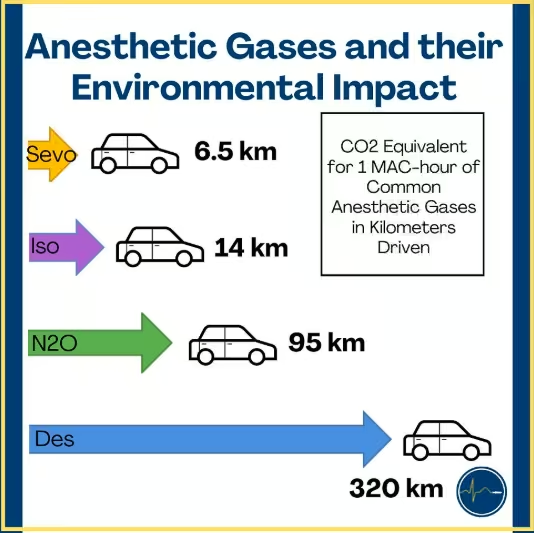
    MAC Inhaled AgentAtmospheric Lifetime (years)100 yr Global warming Potential (GWP) (per kg compared with 1 kg CO2, where GWP CO2 = 0)Equivalent auto miles driven MAC-hour of anesthetic use at 1L/min
    Isoflurane 1.2%3.65398
    Sevoflurane 2.2%1.91444
    Desflurane 6.7%142,540190
    60% Nitrous Oxide (0.6 MAC)11427349


    As less than 5% of VAA gets metabolized in the body, major proportion is released into the atmosphere, contributing to greenhouse effect. The inhaled anesthetic gases contributes to climate change ranging from 0.01% to 0.1% of total global greenhouse gas emissions. Furthermore, direct emissions from these anesthetics account for approximately 3% of the healthcare-related climate footprint in high-income countries, as well as over half of the emissions associated with perioperative services.

    Adverse Effects on Operating Room Personnel

    Prolonged occupational exposure to waste anesthetic gases (WAGs) can result in a range of health effects among healthcare workers:

    • Acute symptoms include headache, dizziness, nausea, drowsiness, irritability, and impaired coordination or concentration.
    • Chronic exposure has been linked to reproductive disorders, including spontaneous abortions, congenital anomalies, and infertility.
    • Hepatic and renal dysfunctions are associated with halogenated agents metabolized via cytochrome P-450 2E1 (especially halothane).
    • Neurobehavioral effects, such as cognitive decline and reduced attention, have been observed in chronically exposed personnel.
    • Carcinogenic and genotoxic effects, including DNA damage and oxidative stress, have been reported with long-term exposure.

    Epidemiologic studies suggest that these effects correlate with exposure duration and inadequate ventilation or scavenging systems within operating rooms.

    Adverse effects on the environment

    Inhaled anesthetics and nitrous oxide ultimately gain access to the atmosphere from the ORs as medical waste after little or no degradation or treatment. The pollution produced after use of 100 l of inhaled anesthetics (average volume used/year by a busy mid-size US hospital) is reported to be equal to emission from 100–1200 passenger cars/year, depending on the anesthetic used. Sherman et al. studied the climate change impact (GHG emissions) of five anesthetics: sevoflurane, desflurane, isoflurane, nitrous oxide, and propofol. All inhaled anesthetics had significant GHG effects, with desflurane producing 15 times more emission than isoflurane and 20 times more than sevoflurane on per minimum alveolar concentration (MAC)-hour basis. The GHG emissions increase significantly for all anesthetics when administered in nitrous oxide/oxygen mixture. The GHG impact of propofol was comparatively insignificant. Studies on atmospheric concentrations of different WAGs have shown that desflurane concentration is increasing rapidly. Addition of 60% nitrous oxide to fresh gas flow (FGF) increases the global warming impact of desflurane by 40%, isoflurane by 290%, and sevoflurane by 590% at FGF of 2 l/min. On a 100-year time horizon, the global warming potential (GWP) measured as carbon dioxide equivalents (CDE) was 19 times higher for sevoflurane with 60% nitrous oxide than with air/oxygen, nine times higher for isoflurane, and equal for desflurane. This was despite desflurane having the highest GWP with or without nitrous oxide. Regulatory agencies recommend exposure limits as low as 2 ppm for volatile anesthetics and 25 ppm for nitrous oxide to minimize health effects.

    Overcoming Challenges

    The path to sustainability is not without its challenges:

    • Initial costs and resistance to change are significant hurdles.
    • Barriers to implementing sustainable practices often include a lack of knowledge about sustainable alternatives, infrastructural challenges, and resistance to changing established norms.

    However, we can gradually overcome scepticism by demonstrating the long-term savings and environmental benefits of these practices. There is a growing need for education and training on the environmental impacts of anaesthetic practices and the benefits of sustainable alternatives. This knowledge plays a crucial role in raising awareness and showcasing successful modifications in the system, fostering a culture of sustainability within our community. Anaesthesiologists, other healthcare professionals, and policymakers should actively seek out such education and training opportunities to stay updated with the latest sustainable practices and to contribute to global efforts to reduce the environmental impact on healthcare.

    THE CURRENT PROGRESS

    GLOBAL:

    1. European Society of Anaesthesiology and Intensive Care (ESAIC) Sustainiac Committee (2024) and the Glasgow Declaration on Sustainability — Focus on climate neutrality by 2050 through reducing medicine use, energy, and waste in anesthesia care.
    2. World Federation of Societies of Anaesthesiologists (WFSA) — Sustainability focus with global guidelines promoting reduced use of high-GWP gases and sustainable clinical practices.
    3. Italian Society of Anesthesia, Analgesia, Resuscitation and Intensive Care (SIAARTI) Green Choosing Wisely Italy initiative (2025) — Recommendations to avoid high-warming gases like desflurane, reduce disposable waste, promote reusable items, and the anesthetist’s role in sustainability advocacy.
    4. American Society of Regional Anesthesia and Pain Medicine (ASRA) Green Anesthesia Special Interest Group (since 2017) — Promotes education, research, and use of environmentally friendly anesthetic techniques including regional anesthesia. ASA Medical Student Component Green Anesthesia Initiative — Raising awareness in the US on anesthesia’s environmental impacts.
    5. UK NHS Greener NHS program and ASA’s Greening the Operating Room initiative — Emphasize low-flow anesthesia, waste management, energy efficiency, and reducing greenhouse gases.
    6. Stanford Medicine Green Anesthesia program — Implements cost-saving and waste-reducing practices such as reusable equipment, and low fresh gas flow.

    INDIA

    Green Operating Theatre (Green OT) initiatives — To Encourage sustainable anesthesia by focusing on waste reduction and energy efficiency in operating rooms. The Green Operating Theatre (Green OT) initiative in India is a pioneering certification program aimed at promoting environmentally friendly, safe, and sustainable practices in operation theatres across the country. It is the first such certification protocol developed in India under the “Make in India” framework, facilitated by collaboration between Abbott India and Bureau Veritas Certifications. This certification assesses key parameters like air flow, OT setup, anesthesia machines, types of volatile anesthetic agents used, filling systems, and scavenging systems, ensuring modern technology and processes that minimize environmental impact. The certification process includes independent audits focusing on infection prevention, safe anesthesia practices, surgical team safety, quality assurance, and environmental responsibility. Hospitals achieving the Green OT certification receive a “Green Score” based on a 5-point scale indicating their adherence to safety, sustainability, and quality standards. This initiative not only reduces the carbon footprint and waste generated in operating rooms but also helps lower operational costs by 30-40%, while improving patient safety and satisfaction. Several hospitals in India, including Max Super Speciality Hospital Shalimar Bagh, Artemis Hospital Gurgaon, and Fortis Hospital, have obtained Green OT certification. This initiative aligns healthcare practices with global efforts to combat climate change by reducing greenhouse gas emissions, waste, and energy consumption in the healthcare sector.

    Marching towards green anaesthesia practice.

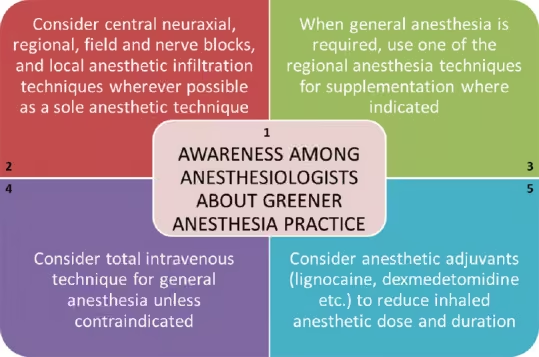
    Anesthesiologists can reduce their carbon footprint by adopting several practical, evidence-based strategies focused on reducing direct greenhouse gas emissions, optimizing energy use, and minimizing waste.

    1. Minimize Use of High Global Warming Potential (GWP) Anesthetic Gases: Avoid or reduce the use of desflurane and nitrous oxide, as these have a significantly higher carbon footprint compared to alternatives such as sevoflurane. Many centers now implement desflurane-free policies or tightly control its use with restricted access. The Official NHS guidance published in March 2024, supports stopping routine use of desflurane in clinical practice from 2026 to reduce environment impact.
    2. Use Low-Flow or Minimal-Flow Anesthesia Techniques: By reducing fresh gas flows (usually below 1-2 L/min), anesthesiologists can recirculate and reuse anesthetic gases in closed circuit systems, greatly decreasing emissions released into the atmosphere. The use of modern anesthesia workstations with closed circuits and mainstream capnography has permitted us to use LFA with an FGF rate as low as 250 ml (metabolic flow), thereby significantly reducing the consumption of N2O and VAA and effectively cutting down the amount of carbon emission. However, when lower FGF is used, precaution must be taken to prevent hypoxemia. Other interventions include turning off FGF and vaporizer when not required, preventing anesthetic leakage during filling, avoiding flushing of breathing circuit at the end of anesthesia, using well-fitting face mask, avoiding gas leakage from the trachea due to ineffective cuff or inappropriate tracheal tube/laryngeal mask airway size, using mainstream capnograph, and timely maintenance and repair services to avoid harms from machine malfunction.
    3. Scavenging system: Venting out of WAGs is faster and complete with active scavenging and efficient air conditioning systems. Scavenging reduces exposure to OR personnel, but not environmental pollution. Both can be minimized by reducing use of inhaled anesthetics, especially nitrous oxide and desflurane. Connecting the scavenging system from multiple machines to a single common unit, and collecting WAGs, cold condensing them, and retrieving inhaled anesthetics and purifying for reuse will also be beneficial.
    4. Employ Regional anaesthesia: Kuvadia and colleagues described that, in addition to positive outcomes among patients, the preferential use of administering regional anesthesia over inhaled anesthetics saved 750 kg of desflurane and 60 kg of nitrous oxide, an equivalent of saving about 2750 gallons of gasoline. Opting for regional anesthesia, such as nerve blocks, whenever possible rather than inhaled anesthetics can help diminish the harmful environmental effects of these volatile gases. Use of neuraxial techniques over Entonox for labour analgesia can significantly cut down the carbon foortprint.
    5. Use of TIVA & TCI: By avoiding the need of N2O and VAA, TIVA certainly has its benefits, but the amount of plastic waste consumed, like syringes, intravenous tubing, and extensions, should also be taken into consideration. Moreover, it is found that about 45% of all the anesthetic drug waste is accounted to unused propofol. Improper disposal of this may lead to contamination of the water bodies. Hence, incineration at 1000°C for 2 s or disposal of unused propofol solution in bags containing activated carbon is recommended for safe disposal. Life cycle analysis (LCA) follows the “cradle to grave” approach, wherein all the steps starting from manufacturing to disposal are taken into account for estimating the carbon footprint of a product. LCA of various anesthetic agents showed that the contribution from TIVA is negligible in comparison to that from VAA. In a study by Sherman et al the authors analyzed the life cycle GHG emission of inhalational versus intravenous anesthetic agents and found that the magnitude of GHG emission was nearly 4 times higher for desflurane compared to propofol.
    6. Using TCI with TIVA can significantly reduce the use of both volatile and intravenous anesthetics. Opting for TIVA decreases volatile anesthetic use, and administering TIVA via TCI results in less anesthetic consumption due to the continuous infusion and accurate dosing.
    7. Maintain and Check Equipment Regularly: Regular machine leak checks, proper filling of vaporizers in well-ventilated areas, and using scavenging systems effectively decrease waste anesthetic gas exposure to staff and the environment.
    8. Optimize Energy and Resource Use: Keep operating room doors closed to maintain temperature, limit unnecessary lighting and equipment use, utilize reusable supplies instead of disposables when safe, and practice proper waste segregation for recycling.
    9. Educate and Advocate: Anesthesiologists should promote awareness about environmental impacts within their teams and institutions and advocate for institutional policies that prioritize sustainability.

    Future – The way forward

    1. Use of alternative anaesthetic agents with more favourable environmental profile such as xenon.
    2. Novel Technologies to destroy inhalational agents such as Volatile Capture technology, & gas photochemistry are still in prototype stage.
    3. Conducting LCA life cycle assessments to evaluate and compare environmental impacts of anaesthetic agents guiding greener clinical choices.
    4. Integrating of AI assisted anaesthesia delivery software to optimize anaesthetic dosing and reduce waste.
    5. Use of p EEG Processed electroencephalogram monitoring
      The pEEG monitors available for perioperative use serve to monitorthe depth of sleep/anesthesia.Intraoperative EEG monitoring has demonstratedthe ability to reduce anesthetic exposure. A study found that pEEG-guided anesthesia management reduced propofol delivery by 21 % and the use of volatile anesthetic by 30 % compared to routine care in 921 elderly patients undergoing major noncardiac surgery. Furthermore,EEG monitoring has led to reduced emergence time after GA.

    Conclusion:

    To conclude, it would be appropriate to cite a befitting Sanskrit shloka: “Mata Bhumi putroham prithivyah” meaning “Earth is my mother; I am her son”, and hence I/we can be anything but inconsiderate to our mother Earth…

  • Anaesthesiologists and the Climate Crisis: Driving Change Through Green OT Initiatives

    Dr Anjali Savargaonkar ,
    Professor, Anaesthesiology,
    NKPSIMS and LMH, Nagpur.
    (Ex Professor & HOD, GMC, Nagpur)

    Dr Anjali Savargaonkar

    Let Us Do Our Bit to Protect Environment

    Climate change crisis has become an existential danger of our time. As Secretary-General of United Nations António Guterres pointed out “The climate emergency is a race we are losing, but it is a race we can win”. Urgent action is required to halt its progression.

    The greenhouse effect is a natural process where greenhouse gases (GHG) in Earth’s atmosphere trap heat, warming the planet and making it suitable for life. While essential, human activities that increase greenhouse gas emission intensify this effect, leading to global warming and climate change. The primary gases contributing to climate change, in order of their impact are Carbon dioxide (CO2), Methane (CH4) and Nitrous oxide (N2O) and few others.

    Global temperature changes are measured against the average temperature over a pre-industrial baseline of 1850–1900. This baseline is the earliest period for which high-quality observations of surface temperatures over the land and ocean are available. The average surface temperature currently is about 1.2°C above the 1850-1900 average. Even at current levels of global warming, we are already seeing devastating climate impacts, with widespread harms to people, economies, and nature.

    The United Nations Intergovernmental Panel on Climate Change (IPCC) has made increasingly strident calls for humanity to reduce anthropogenic greenhouse gases. The latest IPCC report states that “strong, rapid, and sustained” greenhouse gas reductions are needed to limit global heating to 1.5°C.

    Why is it important to not exceed 1.5°C?

    Exceeding 1.5°C could trigger multiple climate tipping points with abrupt, irreversible impacts on humanity. The scientific evidence is unequivocal. Any further delay in combined global action will miss the rapidly closing window to secure a livable future.

    Contribution of healthcare sector to climate change and how can it be mitigated?

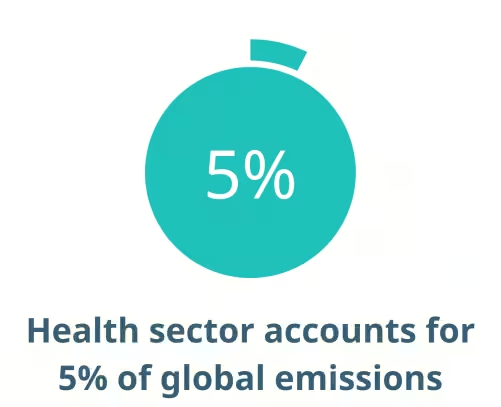
    Healthcare is responsible for 5% of global greenhouse gas emissions. Majority of greenhouse gas emissions is through extensive energy consumption, medical equipment purchases, and inappropriate management waste. Healthcare is expected to increasingly contribute to climate change, with increasing demand for healthcare worldwide. Although our understanding of the links between the environmental and economic sustainability of the healthcare system and the climate change is still in its infancy, healthcare facilities have a significant role to play in fighting climate change by implementing “green interventions” and sustainability strategies.

    The Health and Environment Leadership Platform (H.E.L.P.) is an Indian network established by the Public Health Foundation of India (PHFI) in partnership with Health Care Without Harm (HCWH) in 2017 to promote environmental sustainability and climate resilience in the Indian healthcare sector. National Programme on Climate Change and Human Health (NPCCHH) is a flagship programme of the Ministry of Health and Family Welfare (MoHFW). Comprehensive Green and Climate Resilient Healthcare guidelines have been prepared (2023) to support the strengthening of the healthcare system in India.

    Green Interventions, Targeting Healthcare Providers

    • Improving energy use: On-site generation of renewable, energy monitoring, eco-friendly building design for green hospitals are identified as key operational measures. Simple measures to reduce consumption like switch off policy with regular walk rounds, purchasing energy efficient equipment and its maintenance, use of LEDs appear to have a significant potential to combat climate change.
    • Reducing material and medical waste: Single-use plastics from consumables is important sources of GHG emissions. Promotion of reusable material and sustainable strategies for management of biomedical and general waste is an important crucial area.
    • Circular economy paradigms in the healthcare industry: Reduce, Retain/Reuse, Reprocess, Repair/Refurbish, Repurpose, Recycle. Recycling is the lowest-impact circular economy strategy since it requires additional energy and material inputs to recover value from materials.
    • Water conservation via low-flow fixtures and rainwater harvesting.
    • Reducing food waste: The environmental footprint of food waste in the healthcare sector is higher than in the business sector. Interventions like reducing portion sizes or letting patients select their meals and using reusable service ware will help reduce carbon foot print.
    • Sustainable Procurement: Choosing to purchase medical supplies, cleaning products, and equipment from vendors with environmental considerations in mind.
    • Replacing polluting medical gases: In addition to inhalational anaesthetics, metered dose inhalers (MDI) are identified as one of the main drivers of GHG emissions in medicine, especially with increasing prevalence of respiratory diseases. Replacement of chlorofluorocarbon with hydrofluorocarbon inhalers and dry-powder inhalers, which have significantly lower environmental impact has been a major improvement reported in literature.
    • Policies for reducing Low-Value Care: Examples of Low-Value Care are unnecessary diagnostic tests, ineffective treatments (e.g. treatments having little evidence of benefit).
    • Innovating medical practice: New care protocols using telehealth solutions where appropriate.

    Importantly, a few studies have shown financial benefits with climate mitigation efforts at facility level.

    Environmental Sustainability in Operating Room and Perioperative Settings

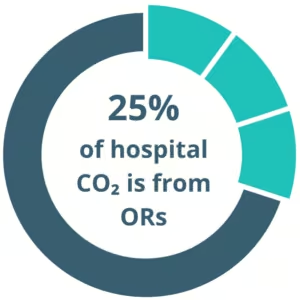
    Operating Rooms and related activities are the most resource intensive, generating 20-30% of total hospital waste. Anaesthesiologists being closely associated with operating room can lead in mitigating the negative environmental effects of operating room activities. Additionally, adopting some anaesthesia practice changes we can definitely contribute in reducing our carbon foot print as anaesthesiologist without compromising patient care.

    Anaesthesia Equipment Choice and Practices

    Anaesthesia is an equipment-intensive and waste-intensive specialty. The usual trend is toward increasing use of disposable equipment. Disposable equipment appears to be a very wasteful option. Although this is true in many cases, assumption alone may not be enough. Sustainability must be examined carefully. There must be a quantifiable analysis of sustainability along with cost and safety. Life cycle assessment (LCA) is an internationally accepted scientific method of such quantification. A Life Cycle Assessment, “cradle-to-grave” analysis, evaluates the entire environmental impact of a product/service, from raw material extraction (“cradle”) through manufacturing, distribution, use, and ultimate disposal (“grave”). A systematic review of perioperative product life cycle assessments found that reusable products were environmentally preferable to disposables.

    Anaesthesia Management and Choice of Anaesthetics

    Environmental Impact of Inhaled Anaesthetics

    Inhaled Anaesthetics (volatile halogenated organic compounds and nitrous oxide) are recognised greenhouse gases and are significant contributor to healthcare-related greenhouse gas emissions with global warming potentials (GWP) ranging from 144 to 2540 times that of carbon dioxide. Nitrous oxide, additionally, has ozone layer destructive property. Inhaled anaesthetics account for 5% of total hospital’s carbon dioxide equivalent (CO2e) emission and responsible for 0.01% to 0.10% of total CO2e emissions that contribute to global warming.

    The impact of inhaled anaesthetic agents on the environment will depend on the total amount used and released to the atmosphere and its GWP. The total amount released to atmosphere depends on the fresh gas flow rate, and the potency (MAC) of the agent. A higher MAC (lower potency) means greater quantities of gas must be used relative to other gases at similar fresh gas flows.

    Table: Comparative Greenhouse Gas Emission of Common Inhaled Anaesthetics

    Inhaled agentMAC (%)Atmospheric lifetime (Years)Global Warming Potential (GWP100) in comparison with CO2 where CO2=1Equivalent auto miles driven per MAC-hour use of anaesthetic at 1 L/min
    Sevoflurane2.21.41444
    Isoflurane1.23.55398
    Desflurane6.7142540190
    Nitrous oxide*10511427382

    MAC: Mean alveolar concentration; Based on EPA 2022 emission factor of 4.03×10⁻⁴ metric tonnes of CO2 equivalent per mile for average passenger vehicle; *MAC equivalent used for comparison, however use is typically 50-60%. (adapted from- Ryan et al; Global warming potential of inhaled anesthetics: application to clinical use. Anesth Analg. 2010;111(1):92-98.)

    Choice of Agent

    While the interventions required to mitigate environmental impacts of all inhalational agents are important, desflurane and nitrous oxide should receive more attention considering its impact on climate change.

    Desflurane
    Desflurane has a high GWP and due to its high MAC value (6%) compared to sevoflurane and isoflurane requires more quantity. Thus, the global warming potential of desflurane, scaled by clinical potency, becomes approximately 40-50 times that of sevoflurane and isoflurane over a 100-year period. There are no indispensable qualities of desflurane that cannot be achieved using other means having less environmental impact. Thus, desflurane should be avoided whenever possible. Desflurane is also significantly more expensive. Some health systems have started to eliminate desflurane from their pharmacy formularies. Scotland has become the first country to ban desflurane and in 2023 stopped its purchase. European Union and England have plans to do same in near future.

    Nitrous oxide
    Nitrous oxide is less potent (MAC 105) and is used in high concentrations (50-60%). Additionally, it has a very long atmospheric lifetime (114 yrs) and, therefore, in clinically relevant doses, its global warming impacts are similar to desflurane. Use of nitrous oxide decreases the requirement of volatile agent, but this positive impact is offset by its long atmospheric half-life and its effect on ozone layer. Another important consideration is that vast amount of N2O is lost at the point of central piping manifolds connections. This has led to calls for decommissioning nitrous oxide central piping and avoiding new construction. Substituting portable tanks (E-cylinder), and closing them between each use, reduces losses dramatically. Even, removing nitrous oxide from hospital formularies is being suggested by many, including paediatric specialists, who are beginning to suggest that its use is unnecessary.

    At the least desflurane and N2O should be reserved only for cases where these agents are clearly preferred for clinical reasons.

    Moving From Knowledge to Action Without Compromising Patient Care: Recommendations (Summary)

    • Avoid inhalational anaesthetics with disproportionately high climate impacts (Desflurane, N2O).
    • Substituting N2O central piping by portable canisters.
    • Lowest possible FGF rates selected (e.g. <1/min during maintenance).
    • Consider regional anaesthesia and total intravenous anaesthesia (TIVA). Avoid unnecessary high flow rates of oxygen.

    Inhaled Anaesthetic Alternatives

    The environmental impact of TIVA and/or regional anaesthesia can be significantly less than inhalational based anaesthesia, even after manufacturing, packaging, transport, administration and disposal of consumables are considered. Use of TIVA may possibly be associated with increased cost of procurement, limiting its utility in low and middle income countries.

    Environmental Impact of Intravenous Anaesthetics and Other Pharmaceuticals

    Considering GWP of inhalational anaesthetics; is it the simple answer to switch to TIVA and stop polluting the atmosphere? Unfortunately, it may not be that simple. Concerns with intravenous pharmaceuticals are that the drugs can end up in drinking water, although, concentrations measured are often below acutely toxic levels.

    Measures to reduce drug waste is obviously a good idea. It is routine for many of us to draw up emergency (?) drugs at the beginning of each day, most of which are wasted. Prefilled syringes may be an answer or reducing the number of drugs routinely drawn up. The same is true with consumables. Keep ‘just in case’ thing ready but un-opened, unless time to prepare them would threaten patient safety.

    Postoperative Management

    Procedures on ambulatory basis and Enhanced Recovery After Surgery (ERAS) protocol help in obviating the resource impacts of hospital stay. As in the preoperative setting, postoperative communication between patients and providers can be conducted virtually, where appropriate.

    Success Stories

    • In 2013, the Yale New Haven Health System eliminated the anaesthetic gas desflurane from its formulary in favor of sevoflurane. This resulted in a reduction of carbon dioxide from the system’s largest hospital alone that was equivalent to taking 360 passenger vehicles off the road each year. The health system also saved about $1.2 million that year.
    • The UK’s National Health Service (NHS) Lothian system in Scotland decommissioned leaky nitrous oxide central piping systems in two hospital sites. The resulting carbon dioxide reductions were comparable to 7600 flights from Paris to New York in a single year.

    Conclusion

    “First, there has to be a very simple recognition that climate change is a problem, and second, that healthcare is part of the problem and third, that there are very simple things that we can and ought to do to minimize our impact.” – Sherman.

    Medical professionals can play a big role in mitigating climate change in their personal life and in professional life. Every healthcare facility should get associated with organizations working to promote environmental sustainability and climate resilience in the Indian healthcare sector, follow the recommendations and guidelines and incorporate green care protocols. As an anaesthesiologist should not only bring changes in operating room but can take a lead in making the healthcare facility more sustainable to the environment and also strive to get Green OT (Operation Theatre) Certification which is an accreditation by Bureau Veritas in India. Every little action at individual and organizational level does matter. Making small adjustments can lead to big results.

    References

    1. MacNeill AJ, Rizan C, Sherman JD. Improving sustainability and mitigating the environmental impact of anaesthesia and surgery along the perioperative journey: a narrative review. Br J Anaesth. 2024;133(6):1397-1409. doi:10.1016/j.bja.2024.05.042
    2. Devlin-Hegedus JA, McGain F, Harris RD, Sherman JD. Action guidance for addressing pollution from inhalational anaesthetics. Anaesthesia. 2022;77(9):1023-1029. doi:10.1111/anae.15785
    3. White SM, Shelton CL, Gelb AW, et al. Principles of environmentally-sustainable anaesthesia: a global consensus statement from the World Federation of Societies of Anaesthesiologists. Anaesthesia. 2022;77(2):201-212. doi:10.1111/anae.15598
    4. Sondekoppam RV, Narsingani KH, Schimmel TA, McConnell BM, Buro K, Özelsel TJ. The impact of sevoflurane anesthesia on postoperative renal function: a systematic review and meta-analysis of randomized-controlled trials. Can J Anaesth. 2020;67(11):1595-1623. doi:10.1007/s12630-020-01791-5
    5. Ryan SM, Nielsen CJ. Global warming potential of inhaled anesthetics: application to clinical use. Anesth Analg. 2010;111(1):92-98. doi:10.1213/ANE.0b013e3181e058d7
    6. Greening the Operating Room and Perioperative Arena: Environmental Sustainability for Anesthesia Practice: Produced by the Task Force on Environmental Sustainability Committee on Equipment and Facilities – ASA Committee on Environmental Health in 2023

  • Waste Management in the Operating Room: A Green Anaesthesia Perspective

    Dr Priya Sadawarte,
    MD, DNB
    Cosultant Anaesthesiologist, Nagpur
    drpriyasadawarte@gmail.com

    Dr. Priya Sadawarte

    Ever wondered what the carbon footprint of a single surgery is? It might surprise you to learn that your routine day in the operating room could equal a cross-country flight—at least in terms of Greenhouse Gas (GHG) emissions. In the high-stakes world of surgery; precision, sterility, and speed are paramount. But behind the sterile drapes and state-of-the-art monitors lies a less visible cost — environmental degradation. Operating rooms (ORs) are among the most resource-intensive and waste-generating environments in healthcare. Green anaesthesia is no longer a fringe concept. With healthcare contributing nearly 5% of global GHG emissions(1), anaesthesiologists have a critical role to play in reducing that impact. While reducing volatile anaesthetic use, transitioning to TIVA and low-flow techniques are vital steps in reducing carbon footprint, managing OR waste effectively is an equally important — and often overlooked — strategy.

    Why OR Waste Matters?

    ORs generate around 30% of hospital waste, and studies reveal that majority of it is non-infectious. Yet much of it is treated as clinical waste and incinerated — a costly and environmentally damaging practice!

    Waste management in the OR stands as one of the most immediate and actionable pillars of the ‘Go green’ movement. It is not just about waste disposal, but it starts upstream in choice, procurement, use and education.
    Here’s what we can do:

    1. Segregate Smarter

    Proper waste segregation at source is crucial. When clean plastics, packaging, and paper are tossed into clinical waste bins, they end up being incinerated or landfilled at high environmental and financial costs.

    Simple measures include:

    • Clear bin labeling and colour coding
    • Regular staff training and reminders
    • Department-wide audits to monitor compliance

    Improved segregation can reduce clinical waste volumes by up to 50%, lowering both emissions and
    costs.

    2. Rethink Single-Use Culture

    The use of disposable items — syringes, airway devices, anaesthesia circuits — has skyrocketed over the past two decades. While infection control concerns have driven this trend, many items can be safely reprocessed. For instance, switching from single-use LMA, anaesthesia circuits to reusable equivalents can significantly reduce both cost and waste.

    Lifecycle assessments (LCAs) have shown that reusable equipment often has a lower environmental impact when accounting for energy and water use during sterilization(4,5). Policies encouraging reuse — where safe and feasible — should be prioritized.

    3. Tackle Pharmaceutical Waste

    Over-preparing drug trays, discarding unused medications, and improper disposal of controlled substances are all common in anaesthetic practice.
    Sustainable approaches include:

    • Drawing up drugs only when needed
    • Using pre-filled syringes and ready to use drugs (e.g. PhenPress LS instead of PhenPress) to
      reduce waste
    • Partnering with pharmacy for inventory management
    • Segregating pharmaceutical waste correctly to prevent environmental contamination

    Institutions that adopt “draw-as-you-go” policies have reported up to 30% reductions in drug wastage(6).

    4. Recycling: More Possible Than You Think

    Though contamination poses challenges, a surprising amount of OR waste can be recycled: Clean
    plastic packaging, paper, cardboard, saline bottles etc. Partnering with local recycling vendors can
    significantly reduce landfill burden(7).

    5. Smarter Procurement

    Every product brought into the OR has an upstream carbon cost. Hospitals should consider ‘green
    procurement policies’ that prioritize: minimal packaging, manufacturer take-back programs and local
    suppliers to reduce transport emissions.
    Sustainability officers should be part of procurement teams to weigh environmental impact alongside
    cost and quality (8).

    6. Lead with Education and Culture

    Sustainability must become a core part of OR culture. Anaesthesia departments can foster change by:
     Nominating “Sustainability committee”

    • Including sustainability in clinical education at undergraduate and postgraduate level.
    • Including sustainability in CMEs: to educate educators
    • Dashboards displaying metrics and progress updates
    • Encouraging inter-professional collaboration

    Clinician awareness is key: when educated about environmental impact, most healthcare professionals
    are eager to adapt their practices

    Anaesthesiologists: Champions of Climate-Conscious Care

    Few specialties are better placed to influence OR sustainability than anaesthesia. We control drug
    preparation, equipment use, and often dictate workflows that influence how other team members operate. By embedding green principles into our daily routines, we can make every case a win not only for the patient — but also for the planet.

    The future of medicine isn’t just high-tech — it’s low-impact as well. And it starts with us!

    References:

    1. Watts N, et al. The 2020 report of The Lancet Countdown on health and climate change. Lancet.
      2020;397(10269):129-170.
    2. Kagoma YK, et al. People, planet and profits: the case for greening operating rooms. CMAJ.
      2012;184(17):1905–1911.
    3. Sherman JD, et al. Life cycle greenhouse gas emissions of anesthetic drugs. Anesth Analg.
      2012;114(5):1086-1090.
    4. McGain F, et al. Environmental sustainability in anaesthesia and critical care. Br J Anaesth.
      2017;119(2):250-256.
    5. Eckelman MJ, et al. Environmental life cycle assessment of reusable and single-use laryngoscopes.
      Anesth Analg. 2012;114(5):1067–1072.
    6. Sherman J, et al. Environmental footprint of anaesthetic drugs: A neglected impact. Anaesthesia.
      2020;75(9):1111–1112.
    7. McGain F, Story D. A survey of anesthesiologists’ views on operating room recycling. Anesth Analg. 2009;109(3):979-980.
    8. Morris DS, et al. Surgical waste and its environmental impact: A review. Br J Surg.
      2013;100(2):150-158
  • Lifestyle Medicine – Six Pillars : Old wine in new bottle?

    Dr Jitesh Chavhan

    MBBBS MD (Anaesthesia) IDCCM .

    Present working as physician (for 5 years) at self-owned Swasthya clinic, Umrer, Dist. Nagpur.

    Dr. Jitesh Chavan

    Just like the tremendous progress in the field of technology, medical science too is growing by leaps and bounds. There are innumerable research studies being conducted at genetic and molecular level and our armamentarium to fight diseases is ever expanding. Yet the number of diseases and disabilities seems to be growing at an even larger pace. This forces us to ponder whether we are heading in the right direction or we are missing something. In pursuit of detail, are we losing the larger picture?

          As much as the advances in science have been a boon for fighting infectious diseases, trauma and chronic diseases comprise over 80 percent of the current illness burden. These have largely remained non-curable and are just being treated with a plethora of pharmaceutical and surgical interventions that focus on managing complications, rarely addressing the root causes.

           Throughout most of human history, food was scarce and hard to come by and hard physical activity was required for survival and unavoidable. Modern cultures have devised worlds where physical activity is scarce and hard to come by. Foods are abundant and engineered to be irresistible. Hectic schedules propagate stress and sabotage sleep. Increasing pre-occupations with screens at the cost of time-honoured human connections is threatening our empathetic human nature. Toxic and addictive substances tempt us to cope with these circumstances, but unfortunately are ones to which we are poorly adapted and can get addicted.

          Lifestyle, the manner in which people live, is fundamental to health, wellness and prevention of disease. Lifestyle medicine addresses how we should live in order to be healthy. It is a rapidly growing discipline that focuses on the role of lifestyle factors in preventing, managing and reversing chronic disease.

    What Is Lifestyle Medicine?

           According to the American College of Lifestyle Medicine (ACLM), lifestyle medicine is “a medical specialty that uses therapeutic lifestyle interventions as a primary modality to treat chronic conditions, including but not limited to CVDs, type 2 diabetes, and obesity.”1

           Although some overlap exists between lifestyle medicine and other fields like integrative medicine or preventative medicine, lifestyle medicine is unique. In lifestyle medicine, evidence-based lifestyle changes are prescribed as first line treatment for disease. Other evidence-based interventions, such as medications or procedures, also can be used, but only as supplementary to lifestyle change. Lifestyle medicine certainly can be used for disease prevention, but the focus is primarily on treatment, reducing disease severity, and sometimes the reversal of existing disease. Lifestyle medicine goes beyond just helping the healthy get healthier. It aims to significantly improve disease markers and quality of life for patients who need it most.


    The Six Pillars

            The ACLM identifies six areas of lifestyle that can be used therapeutically to improve health outcomes: nutrition (whole food and plant based), physical activity, restorative sleep, stress management, social connection, and avoidance of risky substances.


  • Financial Orientation Matters

    Dr Neelesh Kumar Mathankar

    Consultant Anaesthesiologist

    Viveka Hospital, Nagpur.

    Dr Neelesh Mathankar


    In the evolving landscape of healthcare in India, anesthesiologists play a pivotal role in patient care. However, beyond clinical expertise, one crucial aspect that deserves attention is financial literacy and orientation. As the medical profession becomes increasingly complex and competitive, understanding financial management is essential for us to secure our future, optimize income and ensure sustainable practice.

    Traditionally, medical training in India emphasizes on clinical skills, often leaving financial planning and management as afterthoughts. Yet, with increased specialization duration and costs, and the need for investment in equipment and facilities in some super specialties like pain management, anesthesiologists are now more than ever required to be financially savvy.

    Financial literacy encompasses understanding income streams, taxation, investments, insurance, retirement planning, and risk management. For anesthesiologists, who may operate as freelancers, consultants, or hospital employees, tailored financial orientation can help navigate these varied income models effectively.

    Why Financial Orientation Matters

    a) Maximizing Earnings and Managing Expenses:

    We often work across multiple hospitals or clinics. A clear understanding of cash flow, billing, and expense management helps optimize income and reduce financial leaks.

    b) Insurance and Risk Management:

    Adequate health, life, and professional indemnity insurance protect against unforeseen circumstances eroding our savings. Understanding these products ensures comprehensive coverage tailored to individual needs.

    c) Investment and Wealth Creation:

    Building wealth through prudent investments is vital for long-term financial security. Knowledge about mutual funds, equities, real estate, and retirement plans helps anesthesiologists grow their savings and plan for future needs.

    d) Retirement Planning:

    Given the often demanding work schedules and the uncertainties of anesthesiology practice, early retirement planning is crucial. Financial orientation helps in setting realistic goals and choosing appropriate retirement schemes.

    e) Tax Planning and Compliance:

    India’s tax laws are complex, with various deductions, exemptions, and compliance requirements. Financial orientation ensures that anesthesiologists can plan their taxes efficiently, avoid penalties, and possibly benefit from tax-saving instruments


    Unique Challenges Faced by Indian Anesthesiologists

    a) Lack of Formal Financial Education:

    Most medical curricula do not include financial training, leading to a knowledge gap. Often leading to poor financial decision making during the early periods of practice, which unfortunately have the long term ill effects on our finances.

    b) Variable Income Streams:

    We work on different income models eg freelance private practice, part time/ full time private/govt hospital employment. To make things worse, we do not control our professional charges. Variable employment models and inability to fix our own professional charges, mean income variability, requiring flexible financial planning.

    Building Financial Literacy: Steps Forward

    a) Incorporate Financial Education in Residency:

    Medical institutions should include modules on personal finance, taxation, and investment planning in the anesthesiology curriculum. This would avoid the early mistakes in financial planning and help residents to take better professional decisions.

    b) Professional Workshops and Seminars:

    Indian Society of Anesthesiologists (ISA) regularly organize targeted financial literacy programs. Other organizations like wealthcon etc also frequently organize seminars and courses.  We must attend these seminars to get the basic financial orientation as soon as possible.

    c) Utilize Digital Resources:

    Online courses, webinars, and apps can bridge knowledge gaps. They are simple, feasible and flexible to match our irregular schedule.

    d) Seek Expert Advice:

    Engaging financial advisors experienced with healthcare professionals can provide personalized strategies.

    Conclusion

    For us, financial orientation is not just an ancillary skill but a vital component of professional development. By prioritizing financial literacy, we can ensure financial stability, optimize our earnings, and build a secure future. As the medical profession continues to evolve, integrating financial management into their career strategy will empower anesthesiologists to focus on delivering excellent patient care without financial stress.

    In essence, understanding and managing finances effectively is an indispensable part of modern-day anesthesiology practice—one that promises long-term benefits both professionally and personally.

  • Dr Anuja Patil (Dr.Anjali Deshpande)

    Dr Anuja Patil (Dr.Anjali Deshpande)

    MBBS, FRCA, PG Cert Med Ed.

    Consultant Anaesthetist

    University Hospitals Coventry and Warwickshire


    Anuja Patil

    I am a Consultant Anaesthetist in the UK with a special interest in Obstetric Anaesthesia and medical education. I have served as one of the course directors for the Primary FRCA OSCE course at University Hospitals Coventry and Warwickshire.


    After completing my MBBS and working in anaesthesia for less than a year, I moved to the UK, where my husband was already working. I began my NHS journey via the PLAB route. Entering anaesthetic training without a prior anaesthetic qualification was challenging. I initially worked in other acute specialties before successfully joining an anaesthetic training programme.

    Currently, international doctors in the UK can work in both training and non-training posts within the NHS, offering multiple pathways to gain experience and progress in their careers. Anaesthetic training in the UK is competency-based and typically lasts 7–8 years full-time, divided into three stages:

    Stage 1 (CT1–CT3): Core training lasting three years. By the end of CT3, trainees are expected to have passed the Primary FRCA examination.

    Stage 2 (ST4–ST5): during which trainees are expected to complete the Final FRCA.

    Stage 3 (ST6–ST7): where trainees select a special interest area.

    Progression through training is assessed annually via the Annual Review of Competence Progression (ARCP).

    Upon successful completion, trainees receive a Certificate of Completion of Training (CCT) and are added to the GMC Specialist Register, making them eligible to apply for nationally advertised consultant posts. Opportunities for Out of Programme (OOP) training—within the UK or overseas—are also available during Stage 3 or after obtaining CCT.

    For international doctors, obtaining a non-training post is often more accessible with a prior anaesthetic qualification. From there, they may apply for a training programme or pursue the CESR (Certificate of Eligibility for Specialist Registration) pathway. This route enables doctors to demonstrate they have achieved the required competencies to gain entry to the Specialist Register. CESR is increasingly being recognised as a viable alternative to formal training for becoming a consultant in the UK.

    Overseas anaesthetists may sit the Primary FRCA after obtaining Temporary Examination Eligibility (TEE); however, this process is currently suspended until October 2025. A minimum of one year of UK anaesthetic experience is required before attempting the Final FRCA examination.

    On a personal note, I began working in the NHS nearly 20 years ago. My professional and family journey in the UK has been full of adventure, resilience, patience, and growth. In the early years, my husband and I worked at opposite ends of the country for almost three years before we were fortunate enough to gain entry into training programmes within the same deanery.

    Raising a family in a new country without extended family support—and managing night and weekend shifts—can be challenging. After the birth of our children, I opted to train Less Than Full Time (LTFT). This significantly extended my training period but it enabled me to balance professional responsibilities and enjoy family life. It also allowed me time to nurture my hobbies. In addition to my medical career, I am an artist and have exhibited my work, donating all proceeds to charity.

    To conclude, I believe the NHS is one of the greatest and safest healthcare systems in the world. I have thoroughly enjoyed my journey and am proud to be a part of it. I would be happy to offer advice to anyone interested in exploring a medical career in the UK.

    Dr Anuja Patil

    MBBS, FRCA, PG Cert Med Ed.

    Consultant Anaesthetist

    University Hospitals Coventry and Warwickshire