Tag: ISANagpur

  • Operation Theatre Disasters: Who is Legally Responsible?

    Operation Theatre Disasters: Who is Legally Responsible?


    Dr. Vikram Alsi

    MBBS, DA Anaesthesia Consultant
    Operation theatre disasters raise a recurring question in medical law: when a patient suffers harm during surgery, who is legally responsible? Law does not impose liability merely because a bad outcome occurred — it requires proof that the conduct fell below the standard of care expected of a reasonably competent medical professional.

    The controlling framework in India draws from Jacob Mathew v. State of Punjab, where the Supreme Court stressed that criminal liability for medical negligence requires gross negligence or recklessness, not a mere error of judgment. This article argues that responsibility in operation theatre disasters is best allocated by identifying the source of the failure: hospital infrastructure, pre-operative assessment, patient selection, anaesthetic technique, or surgical technique.

    Legal Framework

    The Supreme Court has repeatedly held that medical negligence is tested against the standard of a reasonably competent practitioner acting with ordinary skill and care. In civil and consumer proceedings, the inquiry is whether there was deficiency in service or breach of the duty of care; in criminal proceedings, the threshold is higher and gross negligence must be shown. The consumer law dimension is significant because medical services fall within consumer protection, so a patient may seek compensation against both the hospital and the treating doctor where deficiency is proved.

    Two decisions are especially important. In Indian Medical Association v. V.P. Shantha [(1995) 6 SCC 651], the Supreme Court held that medical services are ordinarily amenable to consumer jurisdiction, subject to recognised exceptions. In Jacob Mathew v. State of Punjab [(2005) 6 SCC 1], the Court clarified the criminal law standard and cautioned against casual prosecution of doctors for unintended adverse outcomes. Later cases, including Kusum Sharma v. Batra Hospital & Medical Research Centre [(2010) 3 SCC 480], reaffirm that an adverse result does not by itself establish negligence; courts must distinguish between a mishap and a proven breach of duty.

    Infrastructure Failures

    Where the operation room lacks essential equipment, drugs, monitoring devices, or basic safety support, the primary legal responsibility usually lies with the hospital owner and management. This is because the institution has a non-delegable duty to maintain a safe clinical environment, and a systemic deficiency cannot ordinarily be shifted entirely onto the operating doctor. The absence of a defibrillator, warmer, resuscitation support, or other indispensable OT resource may therefore found liability against the hospital, particularly if the defect was known, persistent, and avoidable.

    That said, a doctor is not always absolved merely because the failure is infrastructural. If the anaesthetist or surgeon knew of the deficiency, failed to bring it to the notice of management, or proceeded without adequately informing the patient, individual responsibility may arise. In a strong case for the defence, the hospital would have to show that the patient and relatives were aware of the limitation, that they understood the risk, and that proceeding was nevertheless a conscious and informed choice.

    Pre-operative Evaluation

    Failures in patient evaluation, pre-anaesthetic testing, optimisation, or medication review usually fall most directly on the anaesthetist. Pre-operative assessment is not a routine formality; it is a substantive clinical duty because it determines whether the patient can safely undergo surgery and what precautions are needed. If the patient was not adequately examined, comorbidities were missed, or relevant medicines were not stopped or optimised, the liability case becomes much stronger against the clinician responsible for that assessment.

    The legal analysis is still fact-sensitive. If the anaesthetist reasonably relied on incomplete or misleading information supplied by others, responsibility may be shared, but that does not eliminate professional accountability where the omission was one that a reasonably competent anaesthetist should have detected.

    Patient Selection

    Patient selection problems arise when surgery is undertaken despite clear contraindications or when the patient is not a suitable candidate for the chosen procedure. Responsibility here may lie with the surgeon, the anaesthetist, or both, depending on who controlled the decision and what each professional knew. The legal question is not whether the case became complicated later, but whether the original decision to operate was itself defensible by accepted medical standards.

    A useful analytical point is that the defence must usually show that the patient was selected after proper evaluation and that proceeding was consistent with responsible medical opinion. This reflects the principle that courts do not substitute their own view for that of competent medical experts unless the choice made was plainly unreasonable.

    Anaesthetic Technique

    Complications such as total spinal block, local anaesthetic systemic toxicity, airway mishandling, or other block-related catastrophes require especially careful legal representation. The principal responsibility generally lies with the anaesthetist, because the technique chosen, the dose administered, the monitoring used, and the rescue measures available are all part of the anaesthetic duty of care.

    However, the mere occurrence of a recognised complication does not establish negligence. The courts would ask whether the technique used was an accepted method supported by a responsible body of medical opinion in that region and context, and whether the anaesthetist acted with appropriate skill and judgment. If the method was within accepted practice, properly indicated, and the complication was a known risk despite due care, liability may not arise. But if the choice was experimental, unsupported, or plainly unsafe, responsibility can rest squarely on the anaesthetist.

    Surgical Technique

    Where the complication arises from an intra-operative mistake, an unnecessary procedure, or careless operative handling, the surgeon is ordinarily the primary person answerable. The law distinguishes between a known complication and a negligent act: a recognised risk, even if serious, is not the same as an avoidable error. The surgeon must therefore show proper indication for surgery, informed consent, adherence to accepted operative technique, and an appropriate response when complications occur.

    The strength of the claim increases if the operation performed was the wrong procedure, the wrong side was operated on, a technique was used without adequate justification, or basic intra-operative precautions were omitted. In Kusum Sharma, the Supreme Court emphasised that the burden remains on the claimant to establish negligence and that courts must be cautious not to confuse an adverse result with culpability.

    Hospital Liability

    Operation room disasters often generate not only individual negligence claims but also institutional liability. Under Indian law, hospitals may be vicariously liable for the negligence of employed doctors, nurses, and other staff, and they may also be directly liable for unsafe systems, poor protocols, or deficient infrastructure. This is particularly important in OT cases because many harms arise from a combination of clinical and administrative failures.

    Spring Meadows Hospital v. Harjol Ahluwalia is widely cited for the proposition that hospitals can be held vicariously responsible for the negligence of their staff. Thus, a plaintiff need not always isolate a single wrongdoer; the hospital may be made answerable where its system enabled the injury or where its staff acted negligently in the course of employment.

    Criminal and Civil Liability

    The civil or consumer forum inquiry is whether there was deficiency in service, while the criminal law inquiry is whether the conduct reached the level of gross negligence or recklessness. Jacob Mathew is central because it protects doctors from criminal prosecution for mere mistakes, while still allowing liability where the conduct is so gross that it becomes blameworthy in the criminal sense.

    This distinction matters greatly in OT disasters, because many cases involve tragic outcomes but not necessarily criminal fault. Accordingly, an anaesthetist who chooses a recognised but less common technique may not be negligent if the choice is medically defensible and adequately documented. Likewise, a surgeon is not liable simply because a known complication occurred despite due care. The decisive issue is whether the professional failed to act as a reasonably competent practitioner would have acted in the same circumstances.

    Conclusion

    The legal responsibility for operation room disasters in India is best understood as a multi-factorial one. Infrastructure failures usually point toward the hospital; pre-operative evaluation failures usually point toward the anaesthetist; and operative mistakes usually point toward the surgeon — though liability may be shared where more than one factor contributed to the harm. The controlling legal standard remains that negligence must be proved; courts will not impose liability merely because surgery ended badly or because a complication was serious.

    Bibliography

    • Indian Medical Association v. V.P. Shantha, 1996 AIR 550; (1995) 6 SCC 651 — medical services as “service” under consumer law.
    • Jacob Mathew v. State of Punjab, (2005) 6 SCC 1 — gross negligence as the standard for criminal liability.
    • Kusum Sharma v. Batra Hospital & Medical Research Centre, (2010) 3 SCC 480 — distinction between complication and negligence.
    • Spring Meadows Hospital v. Harjol Ahluwalia, (1998) 4 SCC 39 — hospital responsibility and compensation in medical negligence.
    • Indian Journal of Anaesthesia, “Legal Aspects of Anaesthesia Practice”.
    • Indian Journal of Anaesthesia, “Medico-legal and ethical issues in anaesthesiology”.
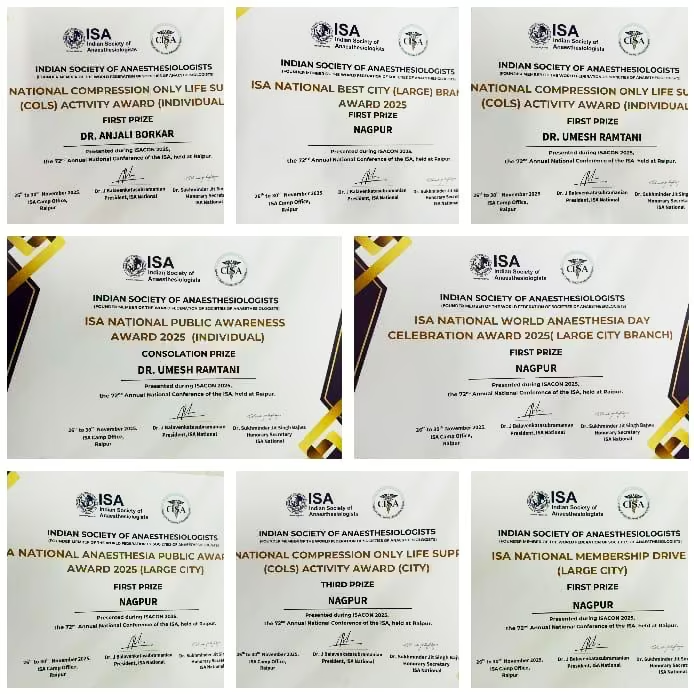
  • National Glory: ISA Nagpur Wins ‘Best City Branch’ & Wins Bid to Host ISACON 2027! 🏆🇮🇳

    National Glory: ISA Nagpur Wins ‘Best City Branch’ & Wins Bid to Host ISACON 2027! 🏆🇮🇳

    With immense pride and humility, we share the crowning achievements of the ISA Nagpur City Branch at the ongoing Annual Conference ISACON National 2025 in Raipur.

    Our branch has made its mark on the national stage, securing a total of 8 prestigious awards (5 City Branch Awards and 3 Individual Awards).

    🏆 City Branch Awards We are honored to be recognized as the top-performing branch in the country:

    • 🥇 1st Prize: ISA National Best City (Large) Branch Award
    • 🥇 1st Prize: World Anaesthesia Day Celebration (Large City Branch) Award
    • 🥇 1st Prize: Membership Drive
    • 🥇 1st Prize: Public Awareness Award
    • 🥉 3rd Prize: Compressions Only Life Support (COLS) Activity (City)

    🎖️ Individual Awards Our leaders have been recognized for their tireless dedication to saving lives:

    • 🥇 1st Prize (COLS Activity – Individual): Dr. Umesh Ramtani
    • 🥇 1st Prize (COLS Activity – Individual): Dr. Anjali Borkar
    • 🏅 Consolation Prize (Public Awareness – Individual): Dr. Umesh Ramtani

    🎉 BIG ANNOUNCEMENT: ISACON 2027 Comes to Nagpur! The celebrations don’t stop at awards. We are thrilled to announce that during the Annual General Body Meeting, ISA Nagpur City Branch was officially allotted the Annual National Conference ISACON 2027.

    This is a monumental responsibility and an honor. Many congratulations to each and every member for these successes. The future is bright for ISA Nagpur!

  • A Sweep of Excellence: ISA Nagpur Dominates at ISACON Maharashtra 2025

    A Sweep of Excellence: ISA Nagpur Dominates at ISACON Maharashtra 2025

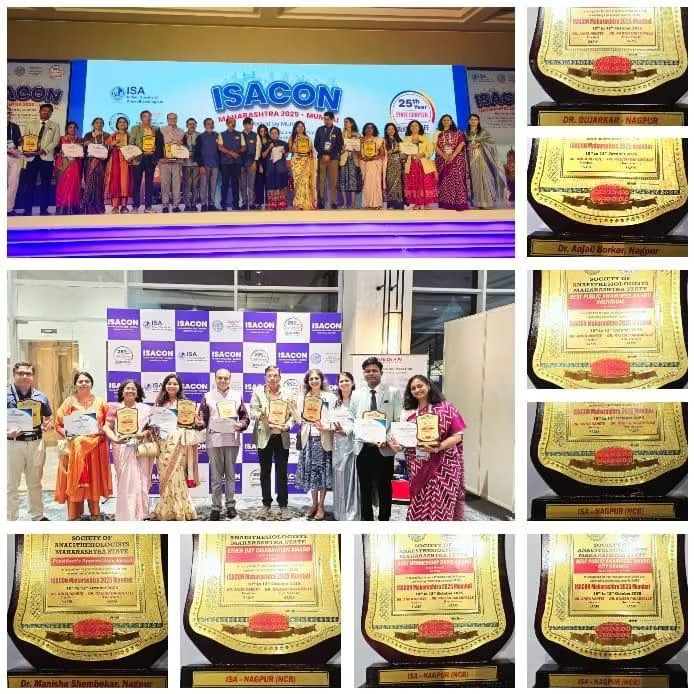
    With hearts full of pride and humility, we are thrilled to announce the spectacular performance of the ISA Nagpur City Branch at the ongoing ISACON Maharashtra 2025 in Mumbai.

    Through the collective effort, dedication, and passion of our members, ISA-NCB has secured a total of 9 prestigious awards, reaffirming our position as a leader in the state fraternity.

    🏆 City Branch Awards We are honored to have received recognition across multiple verticals of our operations:

    • 1st Prize: Best City Branch (Metro)
    • 1st Prize: Best Ether Day Celebrations
    • 1st Prize: Best Public Awareness
    • 1st Prize: Best Membership Drive
    • 3rd Prize: Reel Making Competition

    🎖️ Individual Awards Our members continue to shine individually, bringing laurels to the city:

    • President’s Appreciation Award: Dr. Manisha Shembekar
    • President’s Appreciation Award: Dr. Anjali Modak Borkar
    • Individual Public Awareness (1st Prize): Dr. Umesh Ramtani
    • Individual Public Awareness (2nd Prize): Dr. Kirti Gujarkar

    These accolades are not just trophies but a testament to the hard work of every single member of ISA-NCB. Many congratulations to everyone for this resounding success!

  • Precision on the PLEXUS: ISA Nagpur and DMMC Host Advanced USG-Guided Cadaveric RA Workshop

    Precision on the PLEXUS: ISA Nagpur and DMMC Host Advanced USG-Guided Cadaveric RA Workshop

    Day 1: Theory and Precision Scanning

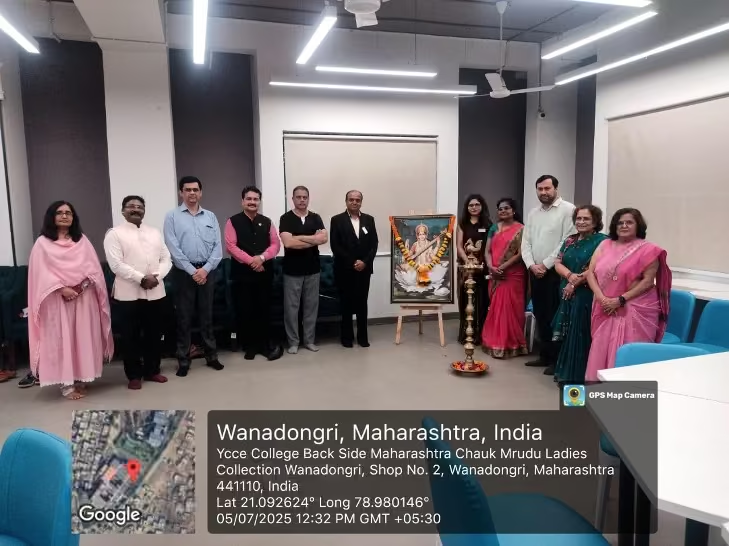
    The premier cadaveric regional anesthesia workshop, “THE PLEXUS AND PLANES ON CADAVERS WITH NEEDLE & USG 2.0,” began on July 5th, 2025. This high-level training was a joint initiative by the Department of Anaesthesia, SEL & SC DMMC, ISA Nagpur City Branch, and the Cadaveric Research Academic Board (CRAB).

    The program commenced with a formal inauguration ceremony. Following the traditional lamp lighting, Dr. Pratibha Deshmukh (Director, Dept. of Anaesthesia, DMMC & Past President ISA-NCB) and Dr. Umesh Ramtani (President, ISA-NCB) delivered the welcome address.

    The keynote address was delivered by the renowned Director of CRAB, Dr. Sandeep Diwan.

    Dignitaries and Chief Guest

    The event was graced by several prominent medical leaders, including:

    • Chief Guest: Dr. Anup Marar (CEO Healthcare and Director, DMMC).
    • Dignitaries: Dr. Ujwal Gajbe (Dean, DMMC), Dr. Vasant Gawande (CMS, SMHRC), Dr. C. S. Cham (GC Member National), Dr. Saurabh Barde (Vice President SAMS), and Dr. Shubhada Gade.

    In his address, Dr. Anup Marar Sir highly praised the Department of Anaesthesia, CRAB, and ISA for their commitment to organizing such crucial educational workshops, continuously inspiring the fraternity to pursue academic excellence. ISA-NCB extends special thanks to Dr. Marar for his support.

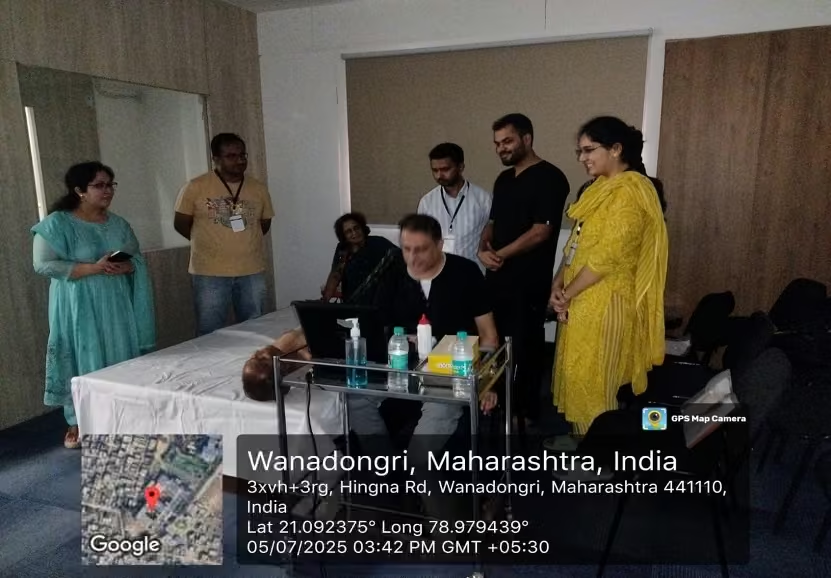
    The first day’s academic schedule focused on lectures and a Panel Discussion, followed by scanning on volunteers in the SEL & SC, preparing delegates for the next day’s cadaveric work.


    Day 2: Cadaveric Hands-On Training

    The second day, July 6th, 2025, delivered the core of the workshop: intensive practical training.

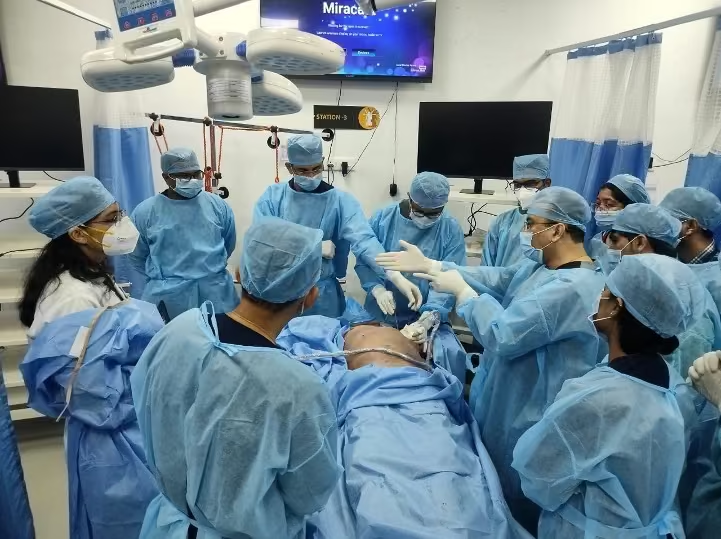
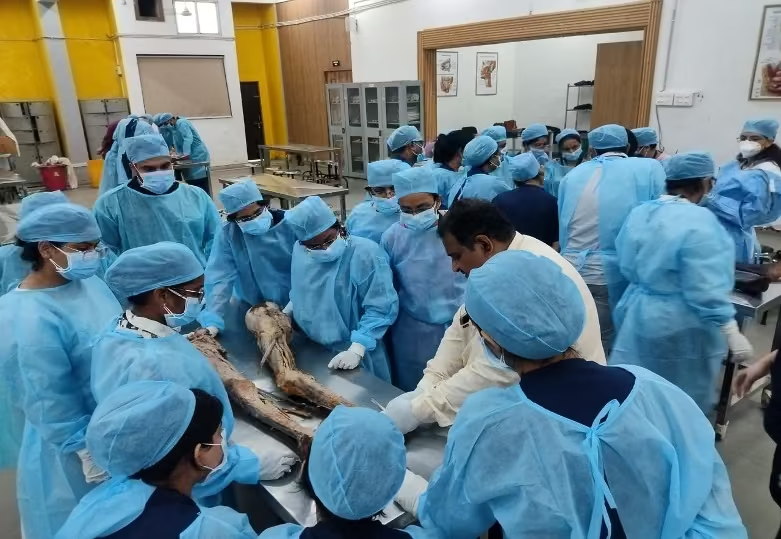
    The session shifted to the Cadaveric Surgical Skill Lab, where delegates received hands-on training on soft embalmed cadavers. This realistic setting is invaluable for mastering USG-guided nerve blocks. Additionally, delegates benefited from demonstrations on cross-sections and dissected cadavers, deepening their interdisciplinary anatomical understanding.

    Faculty and Participation

    The prestigious workshop was guided by an exceptional team of experts:

    • Course Directors:
      • Dr. Pratibha Deshmukh and
      • Dr. Anjali Borkar.
    • Faculty:
      • Dr. Sandeep Diwan,
      • Dr. Saurabh Barde,
      • Dr. Divesh Arora,
      • Dr. Himanshu,
      • Dr. Rasika Timane,
      • Dr. Bhuvaneswari B, and
      • Dr. John MK.

    A total of 35 delegates attended the workshop. They actively engaged in the hands-on training, discussed innovative techniques, and deepened their understanding of regional anaesthesia.

    Success and Recognition

    The workshop was a resounding success. Delegates were highly satisfied with the content and flawless execution, and the organizing body received positive feedback from all participants.

    This success is a testament to the collective effort of the entire team:

    • Organizing Secretaries:
      • Dr. Roshani Manwani and
      • Dr. Kirti Gujarkar.
    • Dedicated Team:
      • Dr. Gunjan Badwaik,
      • Dr. Karuna Gaikwad,
      • Dr. Amol Pailwar, and
      • Dr. Renjith, who worked tirelessly.
    • MOC:
      • Dr. Adeeba Siddique and
      • Dr. Shivani Wargantiwar.

    Significantly, the Maharashtra Medical Council (MMC) recognized the high academic value of the program by granting 3 credit points for the hands-on workshop.

  • Clinical Mastery: ISA Nagpur’s APT Series Discusses Anaesthesia for Complex Liver Diseases

    Clinical Mastery: ISA Nagpur’s APT Series Discusses Anaesthesia for Complex Liver Diseases

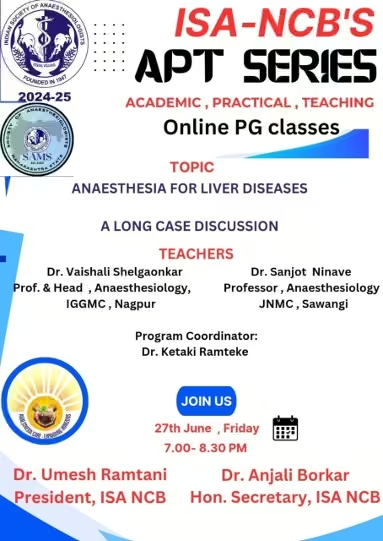
    The ISA Nagpur City Branch (ISA-NCB) continued its commitment to practical, advanced training for residents through the fifth activity of its APT (Academic Practical Training) Series.

    The latest online PG Class focused on the complex and challenging topic of Anaesthesia for Liver Diseases – A Long Case Discussion. The session took place on Friday, June 27, 2025, from 7:00 PM to 8:30 PM on the Zoom platform.

    Expert Moderation and Case Presentation

    ISA-NCB was honored to have two highly respected academics serve as moderators, providing expert guidance and clinical wisdom:

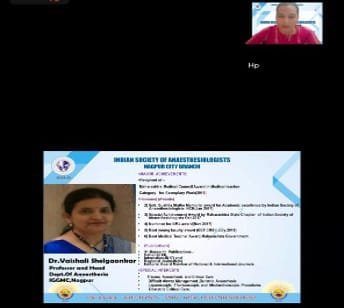
    • Dr. Vaishali Shelgaonkar: Professor and Head, Department of Anaesthesia, Indira Gandhi Government Medical College, Nagpur.
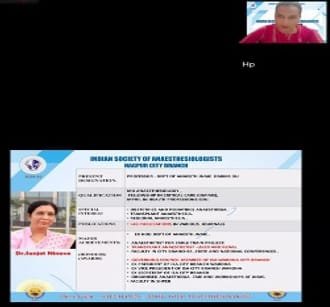
    • Dr. Sanjot Ninawe: Professor, Department of Anaesthesia, Jawaharlal Nehru Medical College, Sawangi, Wardha.

    The activity began with an introduction of the moderators and a welcome address by ISA-NCB President, Dr. Umesh Ramtani.

    The case was expertly presented by Dr. Payal Ostwal and Dr. Babli Acharya, both 3rd-year MD residents from the Department of Anaesthesiology, Indira Gandhi Government Medical College and Hospital, Nagpur.

    In-Depth Learning

    The ensuing case discussion was highly productive, clearing all doubts the students had regarding the perioperative management of patients with liver disease. Both moderators skillfully steered the discussion, asking questions that were exam-oriented, practicals-oriented, and clinically relevant, thereby providing comprehensive preparation for the residents.

    The online session was well-attended, with a total of 85 participants joining and benefiting from the high-quality training. The session was also graced by the presence of several senior teachers and PG guides.

    The entire program was smoothly coordinated by Dr. Ketaki Ramteke, Assistant Professor at Superspeciality Hospital, GMC Nagpur, who served as the MOC and program coordinator for the series.

    The program concluded with a formal vote of thanks delivered by Hon. Secretary, Dr. Anjali Borkar.

  • Staying Protected: ISA Nagpur’s IKCARE Webinar Focuses on Medico-Legal Education

    Staying Protected: ISA Nagpur’s IKCARE Webinar Focuses on Medico-Legal Education

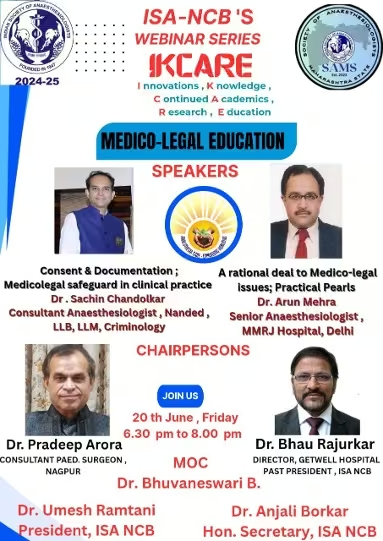
    Recognizing that modern medical practice requires more than just clinical skill, the Indian Society of Anaesthesiologists, Nagpur City Branch (ISA-NCB), dedicated its sixth session of the IKCARE (Innovations, Knowledge, Continued Academics, Research, Education) Webinar Series to the vital topic of Medico-Legal Education.

    The online session was held on Friday, June 20, 2025, from 6:30 PM to 8:30 PM, providing a crucial platform for members to gain insights into safeguarding their practice.

    Expert Speakers and Legal Safeguards

    The webinar featured two distinguished speakers who provided actionable legal and ethical guidance:

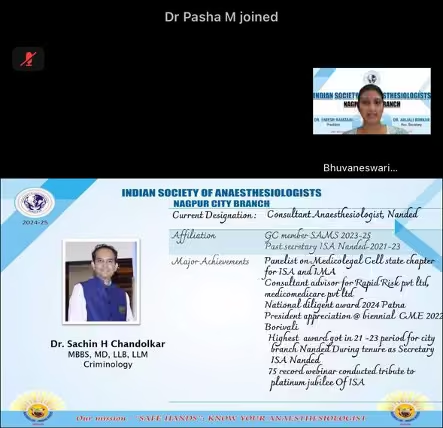
    1. “Consent and Documentation: Medicolegal safeguard in Clinical Practice” This critical topic was presented by Dr. Sachin Chandolkar, Consultant Anaesthesiologist at Nanded, GC member SAMS, and Past Secretary ISA Nanded. Dr. Chandolkar focused on the absolute necessity of rigorous documentation and the process of obtaining truly informed consent as the primary defense in clinical practice.
    2. “A rational deal to Medico Legal Issues: Practical Pearls” The second insightful talk was delivered by Dr. Arun Mehra, Senior Anaesthesiologist at MMRJ Hospital, Delhi, and Anesthesia Coordinator in the International Chair on Bioethics and Human Rights. Dr. Mehra, also a respected writer and editor, provided practical pearls and a rational approach to effectively navigate and resolve medico-legal issues.

    Chairpersons and Coordination

    The session was chaired by two individuals with deep knowledge in both medicine and law:

    • Dr. Pradeep Arora: Consultant General and Pediatric Surgeon, who holds an LLB with Distinction and is a recipient of various legal awards.
    • Dr. Bhau Rajurkar: Founder Director of Get-well Hospital, Past President of ISA-NCB and ISSP Nagpur Branch.

    They shared their valuable insights, adding a layer of practical wisdom and legal perspective to the presentations.

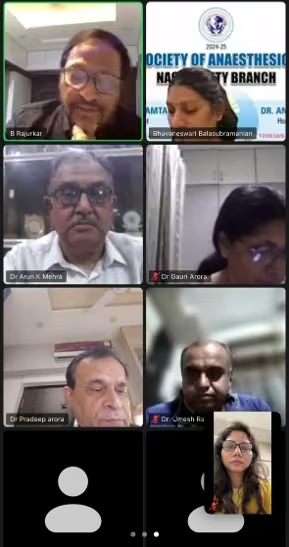
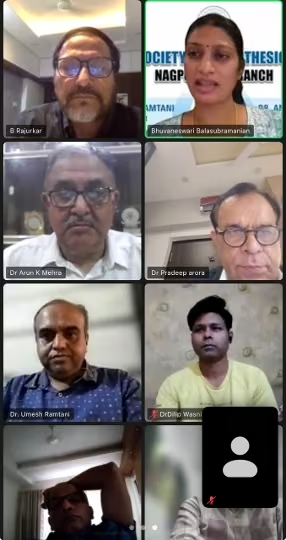
    The entire event was smoothly coordinated by Dr. Bhuvaneshwari, Associate Professor at AIIMS Nagpur and an Executive Committee member, who served as the MOC (Master of Ceremony).

    The successful webinar underscored ISA-NCB’s commitment to protecting its members and enhancing their preparedness for all professional challenges.

  • Academic Excellence Honored: ISA Nagpur Hosts Dr. Krishna Kale e-Poster Presentation Competition

    Academic Excellence Honored: ISA Nagpur Hosts Dr. Krishna Kale e-Poster Presentation Competition

    The pursuit of academic excellence and research was celebrated at the Dr. Krishna Kale e-Poster Presentation Competition organized by the ISA Nagpur City Branch (ISA-NCB). The event took place on Friday, June 6, 2025, from 6:30 PM onwards, at the M. T. Paithankar Hall, IMA House, Nagpur.

    This esteemed competition is an annual feature, generously sponsored by Dr. Krishna Kale, former Professor of Anaesthesia at GMC Nagpur, with the aim of promoting research and rewarding the best presentations.

    Judging and Presentations

    The competition featured eight high-quality research entries from various institutions in Nagpur, including GMC, NKPSIMS, DMMC, SSH, IGGMC, and Children’s Orthopaedic Care Hospital. Each participant was allotted five minutes for their presentation followed by two minutes for discussion, ensuring a dynamic and focused academic exchange.

    The judges for the evening were two highly respected senior members of the fraternity:

    • Dr. Vidula Kapre: Director, Neeti Clinics, and Past President ISA-NCB.
    • Dr. Sheetal Dalaal: Associate Professor, IGGMC, Past President ISA-NCB, and GC member SAMS.

    The participants who contributed their research included Dr. Akshay Shende, Dr. Rashmi Shingade, Dr. Devashree Warnekar, Dr. Rupali Shendre, Dr. Trushna Talware, Dr. Shreyas Deshmukh, Dr. Aditya Rao, and Dr. Santhosha Lakshmi. All participants were presented with certificates of participation acknowledging their effort and contribution.

    Winners and Logistics

    The judges delivered their final verdict, announcing the following winners:

    • 1st Prize: Dr. Rupali Shendre, Assistant Professor, DMMC.
    • 2nd Prize: Dr. Rashmi Shingade, Director, Children’s Orthopaedic Care Hospital (Past President ISA-NCB).

    The smooth execution of the event was a team effort: Dr. Shweta Bulle served as the Master of Ceremony (MOC), Dr. Kirti Gujarkar efficiently managed the timekeeping, and Dr. Sonali Bhagat and Dr. Pallavi Meshram provided seamless technical help and assistance.

    The official vote of thanks was proposed by Dr. Anjali Borkar, Hon. Secretary of ISA-NCB.

    The successful academic activity concluded with the singing of the National Anthem, followed by a group photo session and dinner, allowing all attendees to network and celebrate the spirit of research.

  • Life-Saving Skills for Life-Givers: ISA Nagpur Conducts BCLS Training at Dr. Hedgewar Blood Bank

    Life-Saving Skills for Life-Givers: ISA Nagpur Conducts BCLS Training at Dr. Hedgewar Blood Bank

    Recognizing that every corner of the healthcare system must be equipped for emergencies, the Indian Society of Anaesthesiologists, Nagpur City Branch (ISA-NCB), organized a focused BCLS (Basic Cardiac Life Support) training program at the Dr. Hedgewar Blood Bank, Nagpur, on June 3, 2025.

    The initiative was designed to empower the blood bank’s dedicated team—specifically the Medical Officers and nursing staff—with the knowledge and hands-on skills required to act decisively during acute cardiopulmonary emergencies that may arise at any time.

    Expert Instruction and High Engagement

    The BCLS program was led by two experienced faculty members from ISA-NCB:

    • Dr. Anant Atkar, Consultant Anaesthesiologist at Seven Star Hospital and ISA-NCB Executive Member.
    • Dr. Shivani Atkar, Assistant Professor at DMMC and ISA-NCB Member.

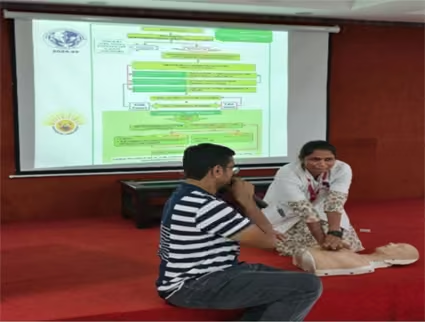
    The faculty delivered a practical and engaging training session. The participants—approximately 35 staff members—learned critical BCLS steps, including recognizing cardiac arrest and performing high-quality chest compressions and rescue breathing.

    The program was highly appreciated by the staff. Following the practical demonstrations, the speakers were met with various questions and doubts, which were thoroughly addressed, ensuring the audience gained full satisfaction and confidence in their newly acquired life-saving skills.

    ISA-NCB extends its sincere gratitude to Dr. Vijaykumar Tungar and Dr. Madan Kate for their excellent support and for making all the necessary arrangements to ensure the successful execution of this essential program.

  • Rapid Response Ready: ISA Nagpur Marks World Emergency Day with BCLS Training at Meditrina Hospital

    Rapid Response Ready: ISA Nagpur Marks World Emergency Day with BCLS Training at Meditrina Hospital

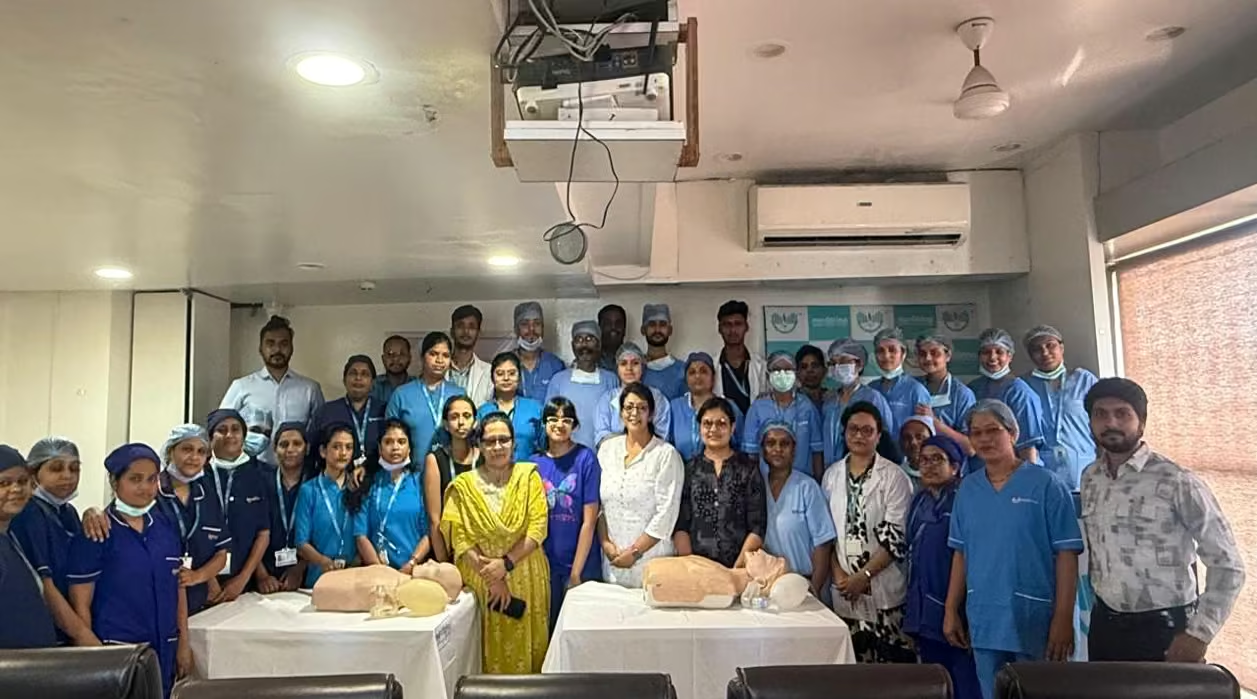
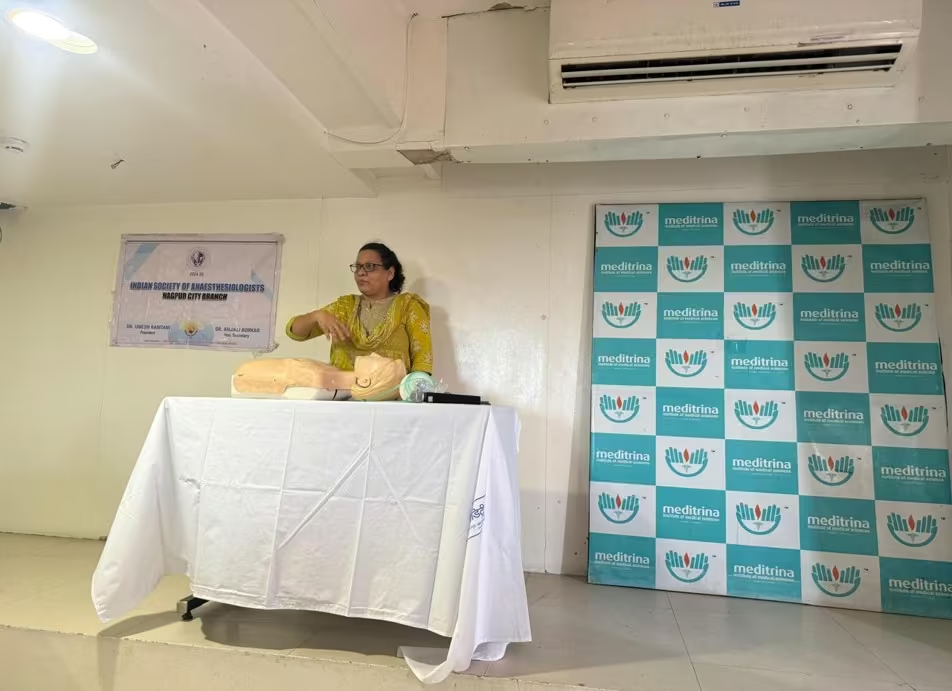
    Recognizing the vital importance of preparedness and rapid response, the Indian Society of Anaesthesiologists, Nagpur City Branch (ISA-NCB), organized a dedicated BCLS (Basic Cardiac Life Support) training program on World Emergency Day, May 27, 2025.

    The training was held at Meditrina Hospital and focused specifically on empowering the hospital’s frontline responders: the nursing staff and paramedics. These individuals are often the first to intervene during a medical crisis, making their proficiency in BCLS absolutely essential.

    Expert-Led Session

    ISA-NCB mobilized a highly experienced faculty team to conduct the training:

    • Dr. Pallavi Meshram, Associate Professor at GDC and an ISA-NCB Executive Member.
    • Dr. Sheetal Deshpande, Consultant at Meditrina Hospital and ISA Member.
    • Dr. Monika Sanghavi, Consultant at Meditrina Hospital and ISA Member.

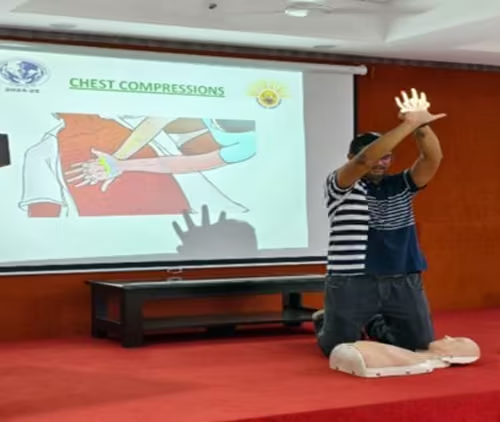
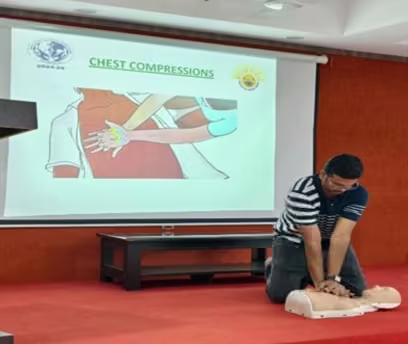
    The faculty provided detailed instruction on the BCLS protocol, covering crucial steps like recognizing a cardiac arrest, proper chest compression technique, and maintaining the airway.

    Impact and Commitment

    The response from the hospital staff was exceptional, with more than 70 participants enthusiastically taking part in the program. The emphasis on hands-on training ensured that the nurses and paramedics could practice the life-saving maneuvers on manikins, gaining the confidence and muscle memory necessary to act effectively in a high-stress emergency.

    As a gesture of support and to provide a lasting educational tool, an official BCLS chart was donated to Meditrina Hospital at the conclusion of the program.

    ISA-NCB is proud to collaborate with Meditrina Hospital on this initiative, strengthening the critical skills required to improve patient outcomes during emergencies and upholding our mission to promote “Safe Hands.”

  • Deep Dive into the Brain: ISA Nagpur Hosts Insightful Neuro Anaesthesia Update

    Deep Dive into the Brain: ISA Nagpur Hosts Insightful Neuro Anaesthesia Update

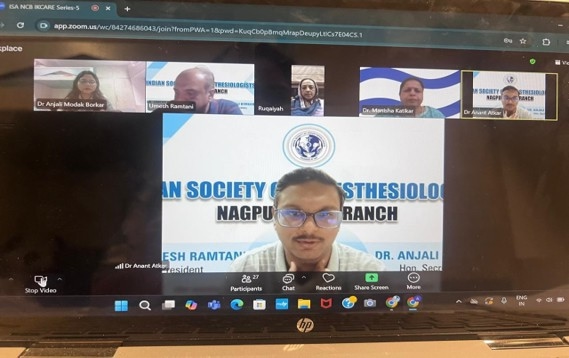
    The commitment of the Indian Society of Anaesthesiologists, Nagpur City Branch (ISA-NCB), to continuous medical education shone brightly with the fifth session of the IKCARE WEBINAR SERIES.

    The session, focused on a “Neuro Anaesthesia Update,” was held on Friday, May 16, 2025, from 7:00 PM to 8:30 PM on the Zoom platform, bringing together anaesthesiologists eager to sharpen their skills in this complex super-specialty.

    Expert Deliberations

    The webinar featured two distinguished speakers who provided comprehensive coverage of cutting-edge topics:

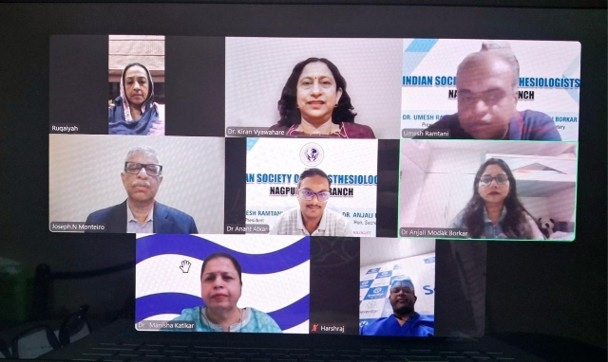
    1. “Neurophysiology and its Anaesthetic Implications” We were honored to host the esteemed Dr. Manisha Katikar madam, Consultant Neuroanaesthesiologist at the Balwant Institute of Neurosurgery and Intensive Trauma Care. Dr. Katikar, also a Past President of SAMS and GC member of ISA National, delivered a fascinating talk detailing how the brain’s function impacts anaesthetic choice and management.
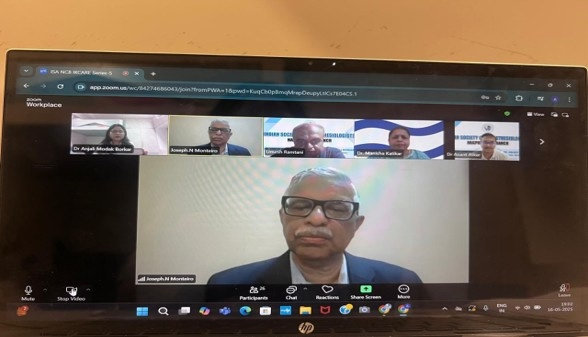
    2. “Optimum Neurological Monitoring: Improving Outcome” The second crucial topic was addressed by the esteemed Dr. Joseph Monteiro Sir, Consultant Neuroanaesthesiologist at P. D. Hinduja Hospital, Mumbai, and GC member of SAMS. Dr. Monteiro provided valuable insights into the latest monitoring techniques, emphasizing their role in ensuring the best possible neurological outcomes for patients during and after surgery.

    Both speakers covered all important aspects of their respective topics with interesting and insightful deliberations. They also dedicated time to answer the many excellent questions posed by the participants in the chat box, ensuring clarity and practical takeaway.

    Chairing and Coordination

    The session was expertly chaired by two senior members of the fraternity: Dr. Kiran Vyawahare, Past President ISA-NCB and Special Executive 2024-25, and Dr. Lulu Fatema Vali, Professor & Head, Department of Anaesthesia, Superspeciality Hospital, Nagpur. They provided valuable insights and summarized the key clinical takeaways from the talks.

    The entire webinar was smoothly coordinated and hosted by Dr. Anant Atkar, Consultant Anaesthesiologist at Seven Star Hospital and an Executive Committee member of ISA-NCB, who served as the MOC and coordinator.

    The high-quality content attracted nearly 65 participants, who benefited immensely from the specialized knowledge shared during the session.