Tag: awareness

  • Operation Theatre Disasters: Who is Legally Responsible?

    Operation Theatre Disasters: Who is Legally Responsible?


    Dr. Vikram Alsi

    MBBS, DA Anaesthesia Consultant

    Operation theatre disasters raise a recurring question in medical law: when a patient suffers harm during surgery, who is legally responsible? Law does not impose liability merely because a bad outcome occurred — it requires proof that the conduct fell below the standard of care expected of a reasonably competent medical professional.

    The controlling framework in India draws from Jacob Mathew v. State of Punjab, where the Supreme Court stressed that criminal liability for medical negligence requires gross negligence or recklessness, not a mere error of judgment. This article argues that responsibility in operation theatre disasters is best allocated by identifying the source of the failure: hospital infrastructure, pre-operative assessment, patient selection, anaesthetic technique, or surgical technique.

    Legal Framework

    The Supreme Court has repeatedly held that medical negligence is tested against the standard of a reasonably competent practitioner acting with ordinary skill and care. In civil and consumer proceedings, the inquiry is whether there was deficiency in service or breach of the duty of care; in criminal proceedings, the threshold is higher and gross negligence must be shown. The consumer law dimension is significant because medical services fall within consumer protection, so a patient may seek compensation against both the hospital and the treating doctor where deficiency is proved.

    Two decisions are especially important. In Indian Medical Association v. V.P. Shantha [(1995) 6 SCC 651], the Supreme Court held that medical services are ordinarily amenable to consumer jurisdiction, subject to recognised exceptions. In Jacob Mathew v. State of Punjab [(2005) 6 SCC 1], the Court clarified the criminal law standard and cautioned against casual prosecution of doctors for unintended adverse outcomes. Later cases, including Kusum Sharma v. Batra Hospital & Medical Research Centre [(2010) 3 SCC 480], reaffirm that an adverse result does not by itself establish negligence; courts must distinguish between a mishap and a proven breach of duty.

    Infrastructure Failures

    Where the operation room lacks essential equipment, drugs, monitoring devices, or basic safety support, the primary legal responsibility usually lies with the hospital owner and management. This is because the institution has a non-delegable duty to maintain a safe clinical environment, and a systemic deficiency cannot ordinarily be shifted entirely onto the operating doctor. The absence of a defibrillator, warmer, resuscitation support, or other indispensable OT resource may therefore found liability against the hospital, particularly if the defect was known, persistent, and avoidable.

    That said, a doctor is not always absolved merely because the failure is infrastructural. If the anaesthetist or surgeon knew of the deficiency, failed to bring it to the notice of management, or proceeded without adequately informing the patient, individual responsibility may arise. In a strong case for the defence, the hospital would have to show that the patient and relatives were aware of the limitation, that they understood the risk, and that proceeding was nevertheless a conscious and informed choice.

    Pre-operative Evaluation

    Failures in patient evaluation, pre-anaesthetic testing, optimisation, or medication review usually fall most directly on the anaesthetist. Pre-operative assessment is not a routine formality; it is a substantive clinical duty because it determines whether the patient can safely undergo surgery and what precautions are needed. If the patient was not adequately examined, comorbidities were missed, or relevant medicines were not stopped or optimised, the liability case becomes much stronger against the clinician responsible for that assessment.

    The legal analysis is still fact-sensitive. If the anaesthetist reasonably relied on incomplete or misleading information supplied by others, responsibility may be shared, but that does not eliminate professional accountability where the omission was one that a reasonably competent anaesthetist should have detected.

    Patient Selection

    Patient selection problems arise when surgery is undertaken despite clear contraindications or when the patient is not a suitable candidate for the chosen procedure. Responsibility here may lie with the surgeon, the anaesthetist, or both, depending on who controlled the decision and what each professional knew. The legal question is not whether the case became complicated later, but whether the original decision to operate was itself defensible by accepted medical standards.

    A useful analytical point is that the defence must usually show that the patient was selected after proper evaluation and that proceeding was consistent with responsible medical opinion. This reflects the principle that courts do not substitute their own view for that of competent medical experts unless the choice made was plainly unreasonable.

    Anaesthetic Technique

    Complications such as total spinal block, local anaesthetic systemic toxicity, airway mishandling, or other block-related catastrophes require especially careful legal representation. The principal responsibility generally lies with the anaesthetist, because the technique chosen, the dose administered, the monitoring used, and the rescue measures available are all part of the anaesthetic duty of care.

    However, the mere occurrence of a recognised complication does not establish negligence. The courts would ask whether the technique used was an accepted method supported by a responsible body of medical opinion in that region and context, and whether the anaesthetist acted with appropriate skill and judgment. If the method was within accepted practice, properly indicated, and the complication was a known risk despite due care, liability may not arise. But if the choice was experimental, unsupported, or plainly unsafe, responsibility can rest squarely on the anaesthetist.

    Surgical Technique

    Where the complication arises from an intra-operative mistake, an unnecessary procedure, or careless operative handling, the surgeon is ordinarily the primary person answerable. The law distinguishes between a known complication and a negligent act: a recognised risk, even if serious, is not the same as an avoidable error. The surgeon must therefore show proper indication for surgery, informed consent, adherence to accepted operative technique, and an appropriate response when complications occur.

    The strength of the claim increases if the operation performed was the wrong procedure, the wrong side was operated on, a technique was used without adequate justification, or basic intra-operative precautions were omitted. In Kusum Sharma, the Supreme Court emphasised that the burden remains on the claimant to establish negligence and that courts must be cautious not to confuse an adverse result with culpability.

    Hospital Liability

    Operation room disasters often generate not only individual negligence claims but also institutional liability. Under Indian law, hospitals may be vicariously liable for the negligence of employed doctors, nurses, and other staff, and they may also be directly liable for unsafe systems, poor protocols, or deficient infrastructure. This is particularly important in OT cases because many harms arise from a combination of clinical and administrative failures.

    Spring Meadows Hospital v. Harjol Ahluwalia is widely cited for the proposition that hospitals can be held vicariously responsible for the negligence of their staff. Thus, a plaintiff need not always isolate a single wrongdoer; the hospital may be made answerable where its system enabled the injury or where its staff acted negligently in the course of employment.

    Criminal and Civil Liability

    The civil or consumer forum inquiry is whether there was deficiency in service, while the criminal law inquiry is whether the conduct reached the level of gross negligence or recklessness. Jacob Mathew is central because it protects doctors from criminal prosecution for mere mistakes, while still allowing liability where the conduct is so gross that it becomes blameworthy in the criminal sense.

    This distinction matters greatly in OT disasters, because many cases involve tragic outcomes but not necessarily criminal fault. Accordingly, an anaesthetist who chooses a recognised but less common technique may not be negligent if the choice is medically defensible and adequately documented. Likewise, a surgeon is not liable simply because a known complication occurred despite due care. The decisive issue is whether the professional failed to act as a reasonably competent practitioner would have acted in the same circumstances.

    Conclusion

    The legal responsibility for operation room disasters in India is best understood as a multi-factorial one. Infrastructure failures usually point toward the hospital; pre-operative evaluation failures usually point toward the anaesthetist; and operative mistakes usually point toward the surgeon — though liability may be shared where more than one factor contributed to the harm. The controlling legal standard remains that negligence must be proved; courts will not impose liability merely because surgery ended badly or because a complication was serious.

    Bibliography

    • Indian Medical Association v. V.P. Shantha, 1996 AIR 550; (1995) 6 SCC 651 — medical services as “service” under consumer law.
    • Jacob Mathew v. State of Punjab, (2005) 6 SCC 1 — gross negligence as the standard for criminal liability.
    • Kusum Sharma v. Batra Hospital & Medical Research Centre, (2010) 3 SCC 480 — distinction between complication and negligence.
    • Spring Meadows Hospital v. Harjol Ahluwalia, (1998) 4 SCC 39 — hospital responsibility and compensation in medical negligence.
    • Indian Journal of Anaesthesia, “Legal Aspects of Anaesthesia Practice”.
    • Indian Journal of Anaesthesia, “Medico-legal and ethical issues in anaesthesiology”.

  • Pledging to a Plastic-Free Future: ISA Nagpur Celebrates World Environment Day

    Pledging to a Plastic-Free Future: ISA Nagpur Celebrates World Environment Day

    The Indian Society of Anaesthesiologists, Nagpur City Branch (ISA-NCB), marked World Environment Day on June 5, 2025, with a powerful series of initiatives centered around the critical theme: Freedom from single-use plastic.

    1. Eco-Bricks for a Sustainable Nagpur

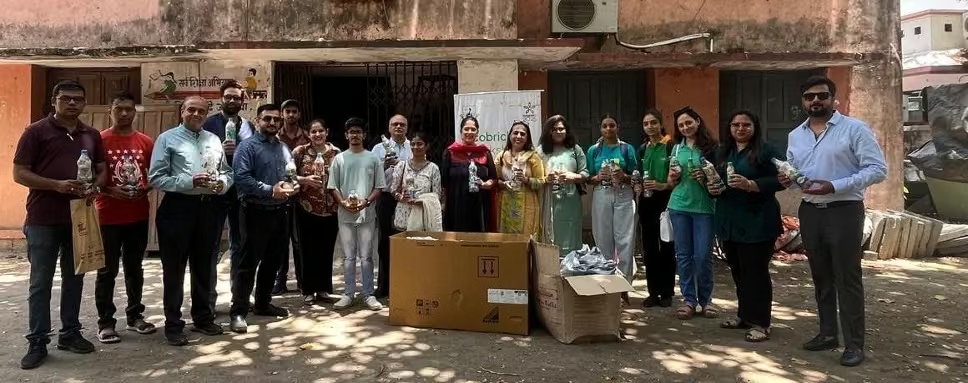
    ISA-NCB proudly collaborated with the Rotary Club of Nagpur North (RCNN) to support a unique and impactful green project. RCNN organized the handover of a staggering 1000 eco-bricks to the Nagpur Municipal Corporation (NMC). These eco-bricks, meticulously crafted by Rotarians from used plastic bottles and single-use waste, will be repurposed by NMC workers to create sustainable items like dustbins, stools, and benches for various public parks and places.

    ISA-NCB contributed significantly to this noble gesture by handing over 100 eco-bricks and a large amount of plastic waste that was jointly collected by our dedicated members. Contributing members included Dr. Umesh Ramtani (President, ISA-NCB), Dr. Gauri Arora, Dr. Sachin Makade, Dr. Vidula Kapre, Dr. Vrishali Ankalwar, and several others.

    The contribution was received by Additional Municipal Commissioner, Vasumana Pant madam, and environmental activist Mr. Nimish Sutaria, who highly appreciated the collaborative effort. RCNN President Mrs. Manisha Manghani lauded the step taken by the doctor community, asserting that their contribution would set a powerful example for the wider public.

    ISA-NCB appeals to all members to strive for freedom from Single-use plastic and save Mother Earth.

    2. Tree Plantation Drive

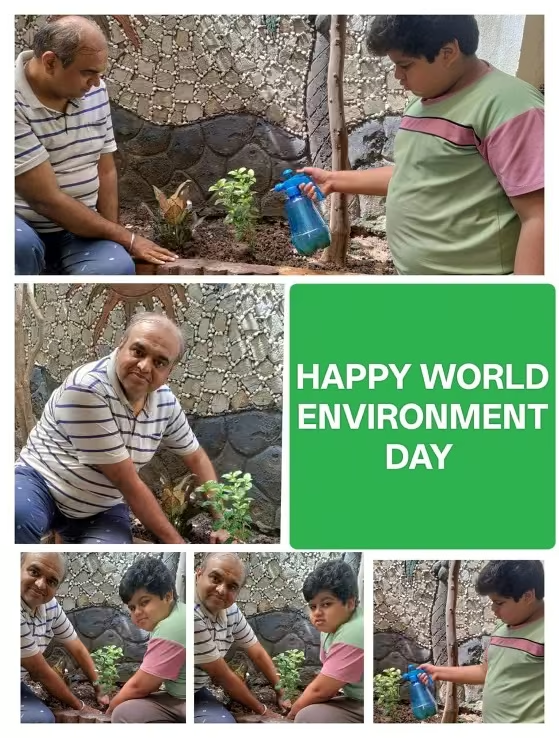
    Reinforcing their commitment to environmental health, ISA-NCB members also participated in a tree plantation drive across the city on World Environment Day. Planting trees is a direct step towards improving air quality and combating climate change, a vital act for the health of our planet and its inhabitants.

    3. Expert Lecture: Sustainable Life on Earth

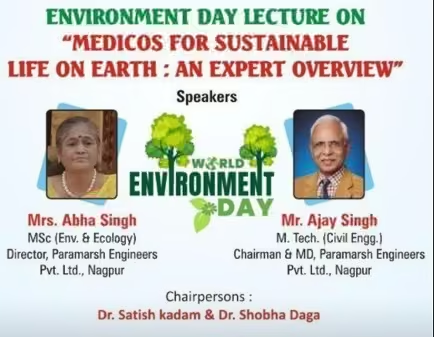
    In the evening, ISA-NCB organized an insightful academic session titled “Medicos for sustainable Life on Earth: An expert overview.” The lecture was held at M. T. Paithankar Hall, IMA House, Nagpur, from 6:30 PM onwards.

    The expert speakers were:

    • Dr. Abha Singh, Director, Paramarsh Engineers Pvt Ltd.
    • Dr. Ajay Singh, Chairman & MD, Paramarsh Engineers Pvt Ltd.

    The session was chaired by Dr. Satish Kadam and Dr. Shobha Daga. The speakers emphasized the critical need for everyone, particularly healthcare professionals, to refrain from using single-use plastic to protect our environment and secure a healthy planet for future generations.

    The comprehensive celebration underscored ISA-NCB’s commitment to not only patient health but also planetary health.

  • ISA Nagpur Conducts BCLS at Radhakrishna Hospital

    ISA Nagpur Conducts BCLS at Radhakrishna Hospital

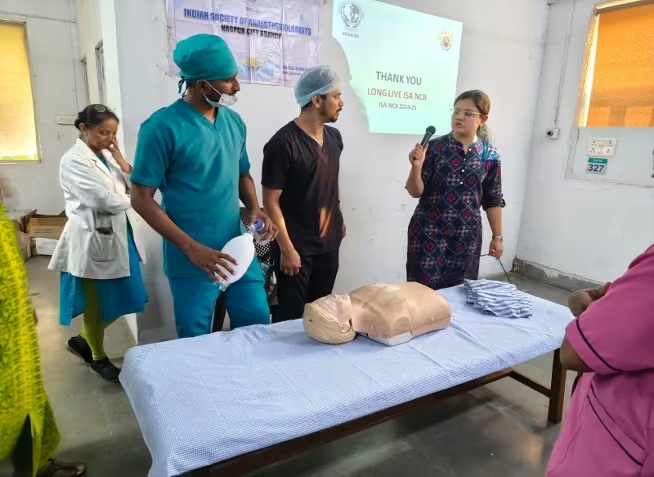
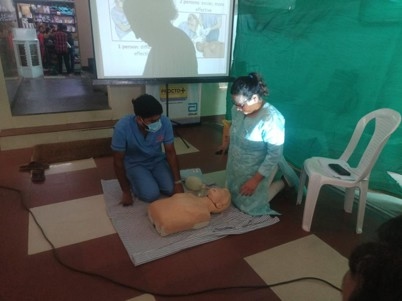
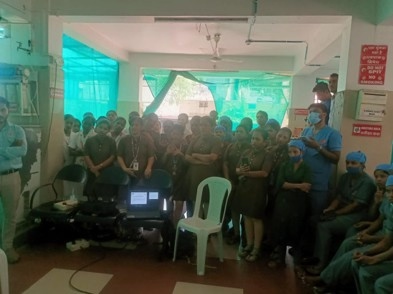
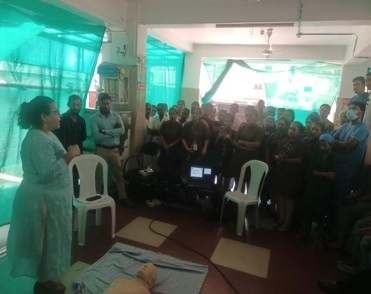
    Ensuring that hospital staff are fully prepared for critical emergencies is a priority for the Indian Society of Anaesthesiologists, Nagpur City Branch (ISA-NCB). On May 3, 2025, ISA-NCB successfully organized and conducted a focused BCLS (Basic Cardiac Life Support) training program for the dedicated team at Radhakrishna Hospital.

    The session was specifically designed for the frontline caregivers, empowering the nursing staff with the most current, life-saving protocols.

    The expert training was conducted by Dr. Monika Sanghavi, a Consultant Anaesthesiologist at Meditrina Hospital, Nagpur, and an active ISA member. Dr. Sanghavi provided comprehensive theoretical instruction followed by crucial hands-on training using manikins.

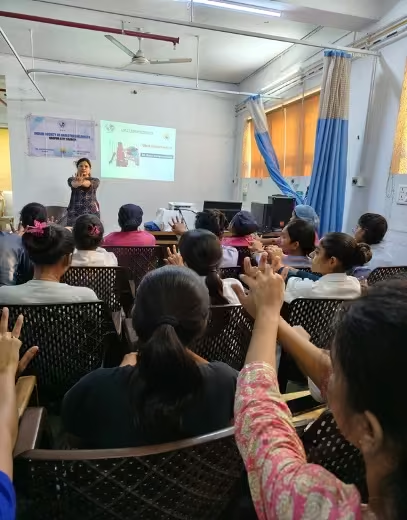
    A motivated group of 40 nursing staff members participated, actively engaging in the practical demonstrations. The training reinforced their ability to recognize cardiac emergencies quickly and perform high-quality BCLS maneuvers, which are vital for improving patient outcomes.

    ISA-NCB is proud to collaborate with Radhakrishna Hospital on this initiative, reaffirming our commitment to supporting medical institutions and ensuring that patients receive care from “Safe Hands.”

  • Beyond Clinical Skills: ISA Nagpur’s IKCARE Webinar Focuses on Financial Education

    Beyond Clinical Skills: ISA Nagpur’s IKCARE Webinar Focuses on Financial Education

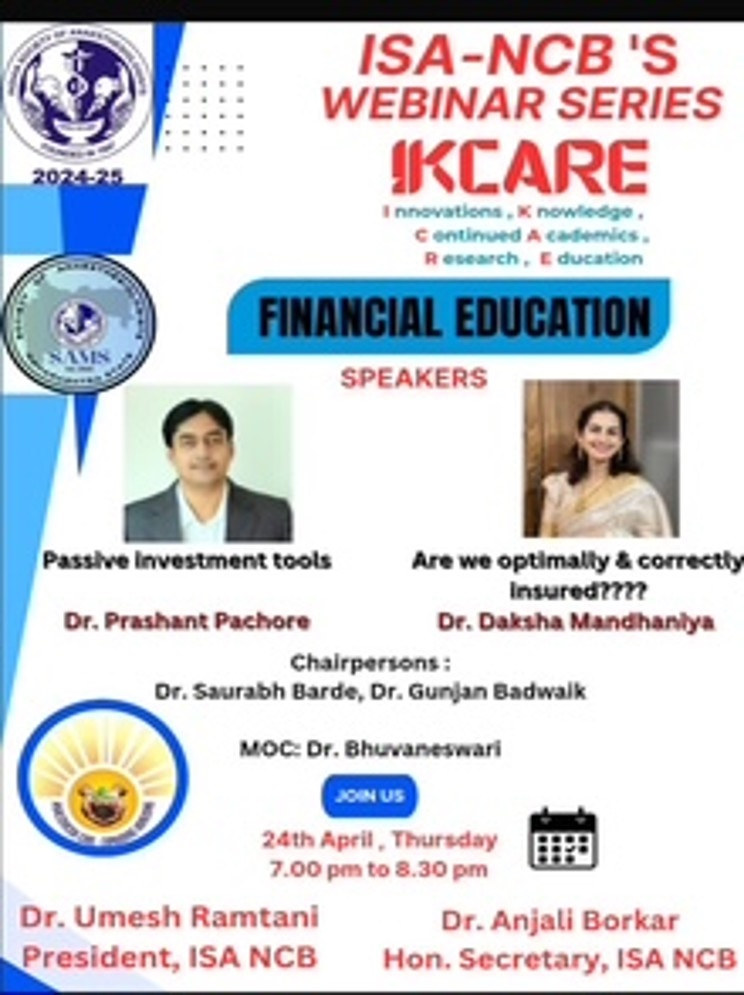
    Recognizing that comprehensive professional development includes financial literacy, the Indian Society of Anaesthesiologists, Nagpur City Branch (ISA-NCB), dedicated the fourth session of its popular IKCARE WEBINAR SERIES to Financial Education.

    The online webinar was held on Thursday, April 24, 2025, from 7:00 PM to 8:30 PM, utilizing the Zoom platform to reach members efficiently. The session focused on practical, actionable advice crucial for securing a stable financial future.

    Expert Speakers and Key Topics

    The webinar featured two distinguished speakers who covered essential aspects of personal finance:

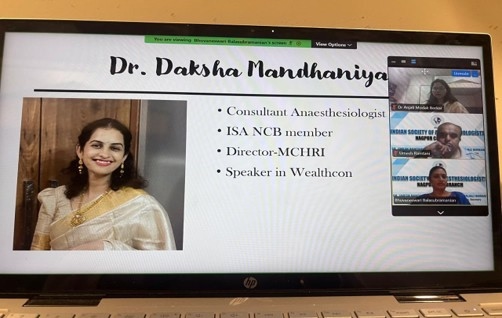
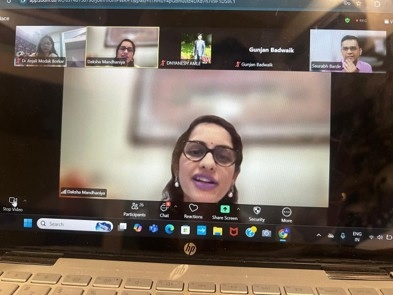
    1. “Are we Optimally or Correctly Insured?” This vital topic was addressed by Dr. Daksha Mandhaniya, a Senior ISA-NCB member. Dr. Mandhaniya guided the audience through the complexities of various insurance products, emphasizing the difference between simply being insured and being correctly and optimally covered to protect one’s assets and family effectively.
    2. “Passive Investment Tools” Dr. Prashant Pachore, Proprietor of Invecto Financial Education & Services, shared his expertise on the topic of passive investing. He provided a clear overview of tools and strategies that allow for wealth creation with minimal active management, a highly relevant subject for busy medical professionals.

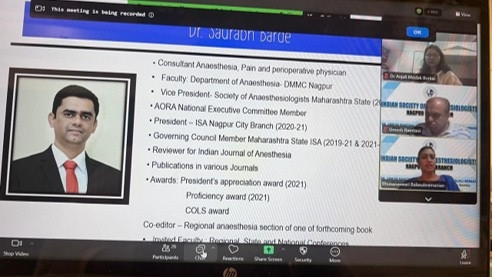
    The session was chaired by two senior members: Dr. Saurabh Barde (Vice President SAMS and Past President ISA-NCB) and Dr. Gunjan Badwaik (Professor, Department of Anaesthesiology, Datta Meghe Medical College). They contributed valuable perspectives and facilitated the insightful discussion.

    The webinar saw a dedicated attendance of approximately 50 participants, all of whom benefited from the practical financial wisdom shared by the speakers. Dr. Bhuvaneshwari, Associate Professor at AIIMS Nagpur and an Executive Committee member, efficiently served as the MOC (Master of Ceremony).

    ISA-NCB remains committed to holistic education, helping its members achieve excellence both in and outside the operating theatre.

  • ISA Nagpur Conducts BCLS Training at Niramay Hospital

    ISA Nagpur Conducts BCLS Training at Niramay Hospital

    Commitment to continuous training is key to maintaining high standards of patient care. On April 22, 2025, the ISA Nagpur City Branch (ISA-NCB) organized a targeted BCLS (Basic Cardiac Life Support) training program for the staff of Niramay Hospital.

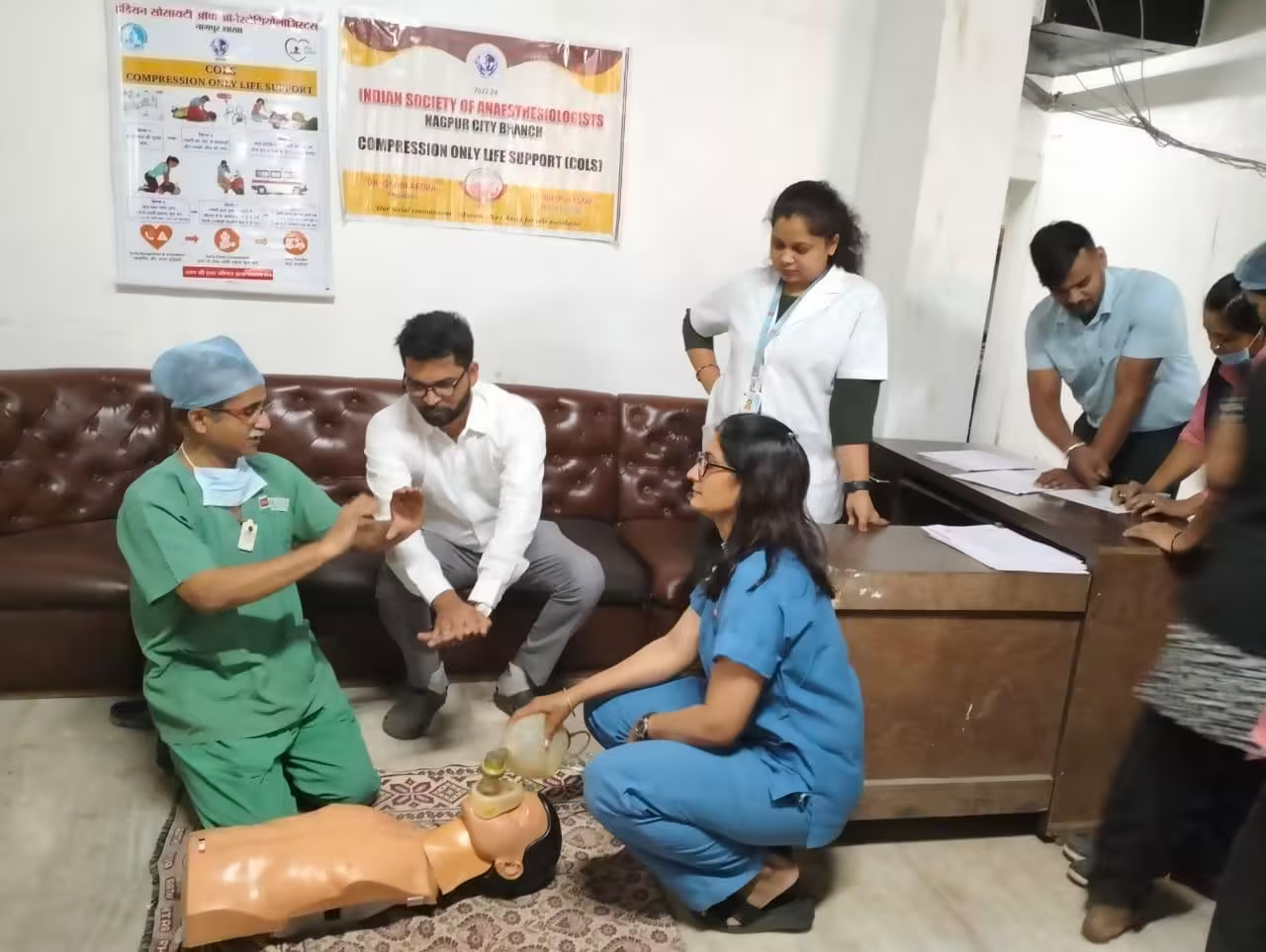
    The session was expertly conducted by Dr. Pallavi Meshram, Associate Professor at GDC and an ISA-NCB Executive Member. Dr. Meshram delivered thorough instruction on BCLS protocols, focusing on the rapid recognition of cardiac emergencies and the correct execution of CPR.

    A motivated group of 60 hospital staff members—including nurses, technicians, and support personnel—participated in the hands-on training. The practical sessions reinforced their ability to respond effectively in the crucial initial minutes of a cardiopulmonary emergency. This initiative is a core part of ISA-NCB’s mission to support and empower frontline healthcare workers across Nagpur.

  • Morning Walkers Learn Life-Saving COLS at Shivaji Nagar Park

    Morning Walkers Learn Life-Saving COLS at Shivaji Nagar Park

    ISA Nagpur continues its mission to make life-saving skills accessible to the general public.

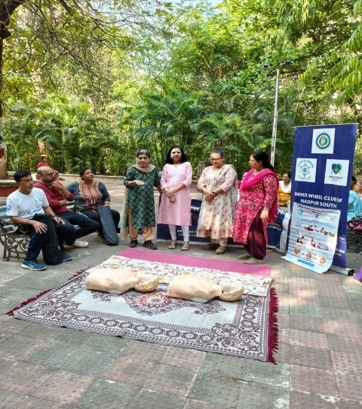
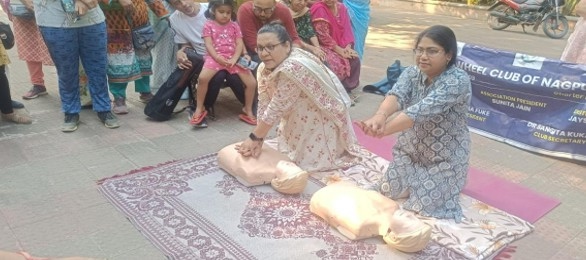
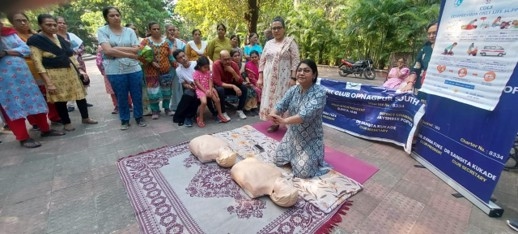
    On April 20, 2025, a focused COLS training session was held at Shivaji Nagar Park. The session was efficiently conducted by Dr. Soma Cham (Past Secretary, ISA-NCB) and Dr. Pallavi Meshram (Executive Member).

    The training specifically targeted morning walkers—individuals who are often outdoors and may be the first to encounter an emergency. Around 50 dedicated citizens attended and actively participated in the hands-on practice, successfully learning the critical steps of Compression-Only Life Support. This initiative is a core part of ISA-NCB’s effort to create a safer, more responsive community.

  • Honoring 100 Years of RSS: ISA Nagpur Trains 250 Medical Students in BCLS

    Honoring 100 Years of RSS: ISA Nagpur Trains 250 Medical Students in BCLS

    In a powerful collaborative event, the ISA Nagpur City Branch (ISA-NCB) partnered with Sewankur to celebrate the 100th anniversary of the Rashtriya Swayamsevak Sangh (RSS) by promoting public safety and health readiness.

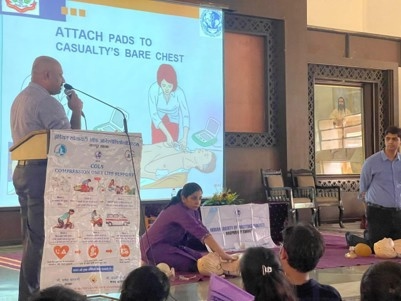
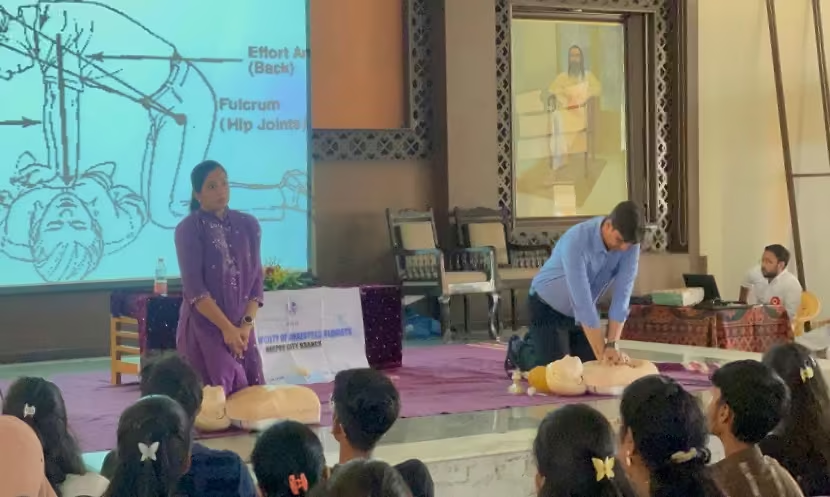
    On April 18, 2025, a comprehensive BCLS (Basic Cardiac Life Support) training program was held at the iconic Dr. Hedgewar Smarak Samiti, Smiriti Mandir, Reshimbagh, Nagpur.

    The initiative targeted the future of healthcare: medical students. The training was designed to instill critical emergency response knowledge early in their careers.

    The expert faculty who conducted the extensive training included:

    • Dr. Satkar Pawar
    • Dr. Arihant Jain
    • Dr. Radhika Iyer

    The response was exceptional, with approximately 250 medical students participating. They received thorough theoretical knowledge and practical, hands-on BCLS training. By focusing on such a large group of future doctors, ISA-NCB and Sewankur have made a significant investment in the long-term healthcare safety and preparedness of the region.

  • ISA Nagpur Conducts Training of Trainers for Zilla Parishad Health Officers Under Mega Health Project

    ISA Nagpur Conducts Training of Trainers for Zilla Parishad Health Officers Under Mega Health Project

    The Indian Society of Anaesthesiologists, Nagpur City Branch (ISA-NCB) is honored to contribute to a Mega Health Project initiated by the Zilla Parishad, Nagpur, in collaboration with the District Integrated Health & Family Welfare, Government of Maharashtra.

    With the approval of CEO, Zilla Parishad, Nagpur, Hon. Mr. Vinayak Mahamuni (IAS) and under the leadership of Dr. Rajkumar Gehlot, District Health Officer, this project aims to provide comprehensive health services to students of 154 Zilla Parishad primary and secondary schools across Nagpur district during February and March 2025.

    Project Highlights

    The health initiative includes:
    ✅ Sickle Cell Diagnosis & Detection
    ✅ Blood Group Testing
    ✅ Basic Health & Personal Hygiene Education (Conducted by the District Health Office)
    ✅ Good Touch & Bad Touch Awareness (Led by the Crime Branch)
    ✅ CPR & COLS Training (Conducted by ISA Nagpur)

    Training of Trainers – Empowering Healthcare Professionals

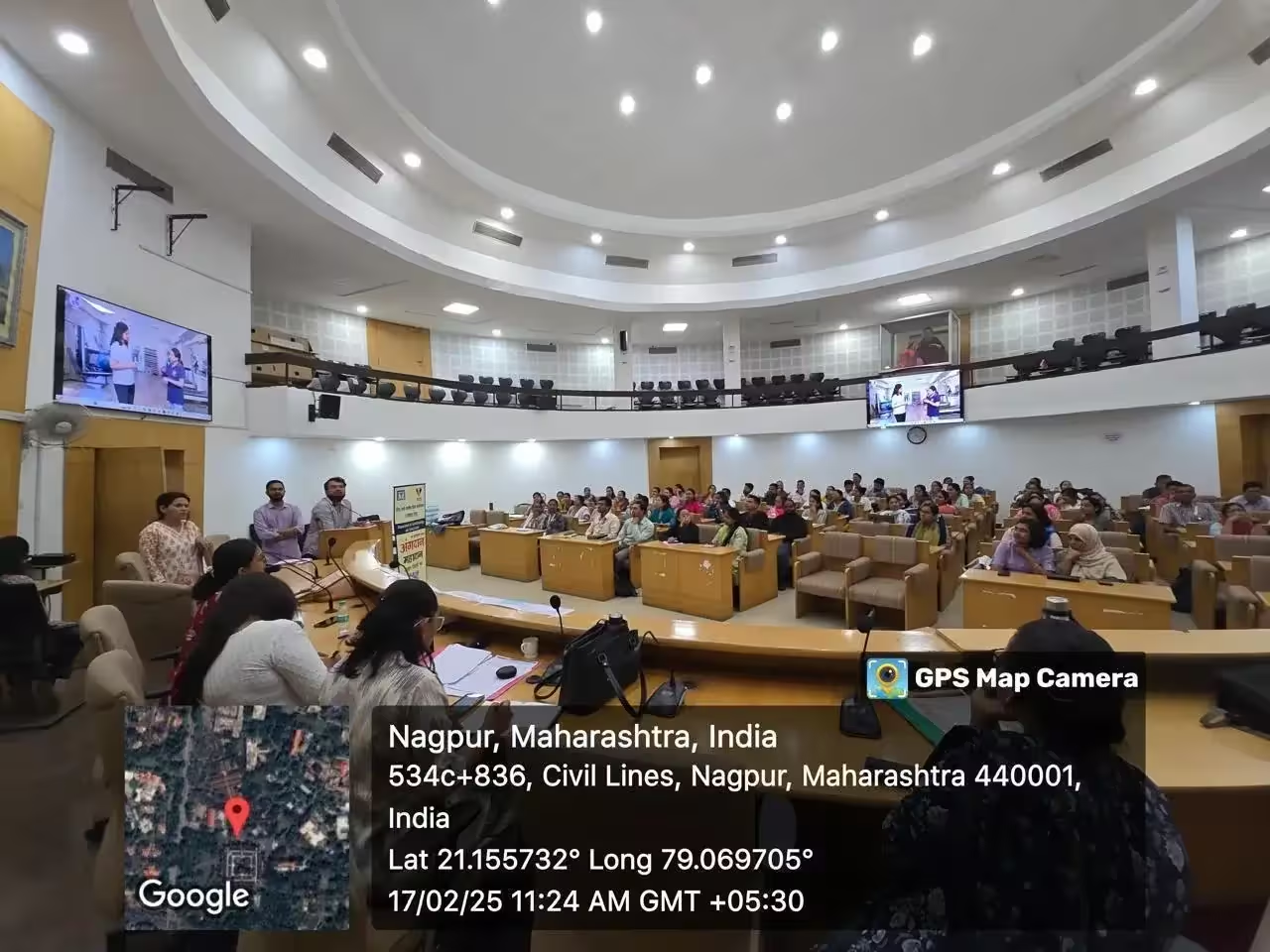
    On 17th February 2025, as part of this initiative, ISA-NCB conducted a Training of Trainers (TOT) session for Community Health Officers (CHOs) and AYUSH Medical Officers from various Primary Health Centres, Community Hospitals, and Rural Hospitals under the Zilla Parishad.

    Key Highlights of the Training Session

    🟢 Organized by: ISA-NCB President Dr. Umesh Ramtani
    🟢 Importance of Training for School Children & Teachers: Dr. Pallavi Meshram (Associate Professor, GDC & Executive Member, ISA-NCB) emphasized that empowering trainers will enable multiple COLS (Compression-Only Life Support) sessions at peripheral and community levels.
    🟢 Lecture on Resuscitation & CPR: Dr. Leena Gedam (Resuscitation Skills Coordinator, Executive Member, ISA-NCB & Associate Professor, IGGMC Nagpur) delivered a detailed PowerPoint presentation on life-saving resuscitation techniques.
    🟢 Hands-on CPR & COLS Training: Dr. Kirti Gujarkar (Executive Member, ISA-NCB & Associate Professor, DMMC Nagpur) conducted practical training on mannequins, addressing participants’ queries and ensuring their understanding of CPR techniques.

    Impact & Participation

    💡 Over 90 Community Health Officers and AYUSH Medical Officers actively participated, gaining hands-on skills in COLS (Compression-Only Life Support).
    🎥 Special COLS informational videos to be shown in Zilla Parishad schools were also played, ensuring the training extends to students and teachers in rural areas.

    Building a Healthier Future Together

    This initiative strengthens ISA Nagpur’s commitment to spreading life-saving knowledge and improving health awareness at grassroots levels. By equipping medical officers with resuscitation skills, we ensure that essential CPR techniques reach remote areas, schools, and communities.

    📢 ISA Nagpur will continue its mission to promote Anaesthesia Awareness, Emergency Care Training, and Medical Education for a healthier society!

  • Empowering Healthcare Professionals: BCLS Training at Suretech Hospital by ISA-NCB

    Empowering Healthcare Professionals: BCLS Training at Suretech Hospital by ISA-NCB

    Hands-on Training for Life-Saving Skills!

    On 23rd and 24th January 2025, the Indian Society of Anesthesiologists – Nagpur City Branch (ISA-NCB) successfully conducted a Basic Cardiac Life Support (BCLS) training at Suretech Hospital and Research Centre, Dhantoli, Nagpur. The session was led by Dr. Ravi Mundada and Dr. Devayani Thakur, senior ISA-NCB members, with the aim of equipping healthcare professionals with essential life-saving skills.

    Who Attended?

    👨‍⚕️ 130+ Participants, including:

    ✅ Consultants
    ✅ RMOs (Resident Medical Officers)
    ✅ Nursing & Technical Staff
    ✅ Ward Boys & Ambulance Drivers
    ✅ Administrative Team

    What Did the Training Include?

    • Hands-on Training on BCLS Techniques
    • Real-life Emergency Simulations
    • Step-by-step Guidance on CPR & Basic Life Support

    Participants enthusiastically engaged in the training, gaining practical experience in managing cardiac emergencies effectively. The BCLS charts from ISA-NCB were also donated to the hospital to serve as a ready reference for medical professionals.

    The initiative was highly appreciated by all attendees, reaffirming ISA-NCB’s commitment to improving emergency response preparedness in the healthcare sector.

    Together, We Save Lives! 

  • ISA-NCB Conducts COLS Training at Mega Health Camp

    ISA-NCB Conducts COLS Training at Mega Health Camp

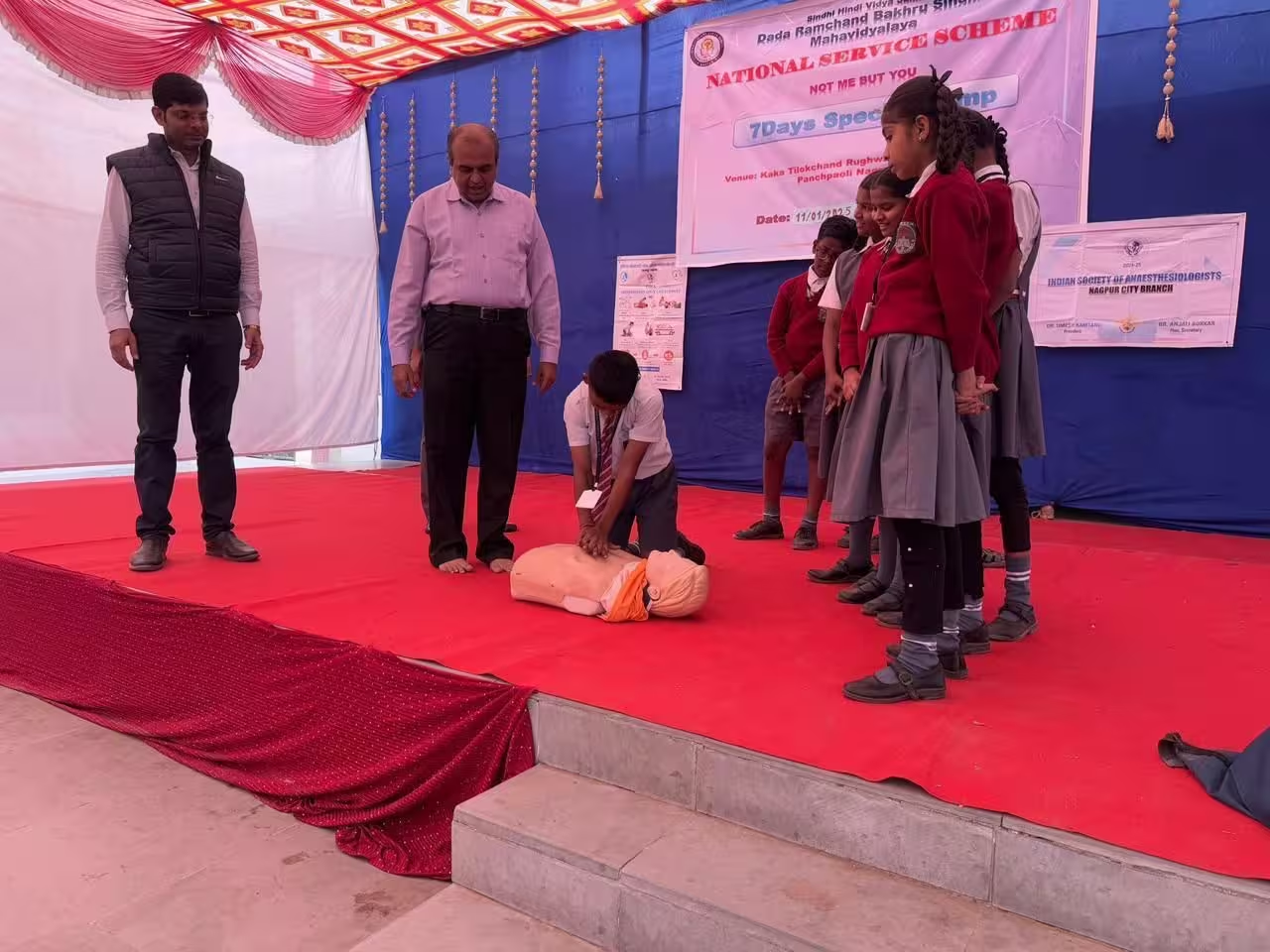
    As part of the National Service Scheme’s Mega Health Camp, the Indian Society of Anesthesiologists – Nagpur City Branch (ISA-NCB) conducted a Comprehensive Life Support (COLS) Training session on 17th January 2025 at Sindhi Hindi Vidya Samiti’s Kaka Trilokchand Rughwani School, Paanchpaoli, Nagpur.


    Empowering Young Minds with Life-Saving Skills

    The training catered to over 200 students from the 7th, 8th, and 11th (vocational trainees) standards, equipping them with essential life-saving knowledge.

    • Expert Demonstration:
      • The session included a detailed lecture and demonstration using mannequins by Dr. Umesh Ramtani (President, ISA-NCB) and Dr. Arihant Jain (Executive Member, ISA-NCB).
      • Students were actively engaged in learning proper techniques and steps of life support.
    • Interactive Hands-On Training:
      • Participants were given practical training in small batches, allowing them to practice on mannequins.
      • Enthusiastic students posed queries, which were thoughtfully addressed by the trainers, ensuring a thorough understanding.

    Organizers and Acknowledgments

    • The activity was meticulously coordinated by Dr. Gauri Arora (Immediate Past President, ISA-NCB), who ensured the program’s seamless execution.
    • The school principal, Mrs. Pooja Mohobe, expressed heartfelt gratitude to ISA-NCB, appreciating their dedicated efforts in imparting these crucial skills to the students.

    Donation to the School

    To further aid in life-support education, the COLS Chart depicting a pictorial algorithm was donated to the school, serving as a valuable reference for students and staff.


    A Step Towards a Safer Community

    This impactful session underscores ISA-NCB’s commitment to spreading awareness and building a safer society through education and training. The enthusiasm of the young participants promises a brighter future where life-saving skills become a part of everyday knowledge.