Author: ISA NCB

  • ISA Nagpur City Branch holds Interesting Cases Competition

    Indian Society of Anaesthesiologists – Nagpur City Branch held Vaishali Malegaonkar Memorial Interesting Cases Competition for its members on 18th April 2014. Dr Narendra Tamhane, President of ISA NCB welcomed all. Total eight difficult cases pertaining to anaesthesia management in the perioperative period were presented. There was interactive discussion benefitting one & all. Dr Rashmi Deshpande, Professor in JNMC Sawangi, Dr Akhilesh Sangawar, Professor in GMC Nagpur and Dr Pratibha Deshmukh, Associate Professor in IGGMC Nagpur were judges for the competition.

    Dr Priya Sadawarte, Dr B.M. Rajurkar, Dr N.G. Tirpude, Dr Gauri Arora, Dr Vrishali Ankalwar, Dr Jyoti Panhekar, Dr Rajam Subramaniam and Dr Sachin Sadawarte presented the cases.

    Anaesthetic management of a case of Multiple Burn Contractures presented by Dr Gauri Arora bagged first prize. Dr Vrushali Ankalwar who presented a case of Bilateral Pheochromocytoma with Hypertrophic Obstructive Cardiomyopathy for Bilateral Adrenelectomy received second prize.

    Other cases in the competition were as follows:

    • Post-operative fat embolism syndrome in a case of fracture tibia by Dr Priya Sadawarte
    • Use of Arndt wire guided endo-bronchial blocker to facilitate one lung ventilation for intra-thoracic surgeries in pediatric patients by Dr Rajurkar
    • Desaturation – blunt trauma abdomen & pleural effusion by Dr Tirpude
    • Anaesthesia for combined cardiac & non-cardiac surgery in a child by Dr Jyoti Panhekar
    • A rare case of flash pulmonary edema by Dr Rajam Subramaniam
    • Combination of femoral nerve block & unilateral spinal anaesthesia in a high risk cardiac patient by Dr Sachin Sadawarte

    Dr Kamlakar Pawar and Dr Alkesh Soni conducted the program. Dr Saurabh Barde, Honorary Secretary of ISA NCB proposed vote of thanks.

  • New team of ISA Nagpur City Branch installed

    Installation ceremony of new team of office bearers of Indian Society of Anaesthesiologists – Nagpur City Branch was held recently. Former President of IMA national, Dr Ashok Adhao was Chief Guest. Dr Gauri Arora formally introduced the Chief Guest. Dr Adhao installed Dr Narendra Tamhane as new President of ISA NCB for the year 2014-15. Dr Saurabh Barde as Honorary Secretary & Dr Vikram Alsi as Trasurer continued for one more year. Dr B.M. Rajurkar was installed as new President elect. Dr Rashmi Shingade as Joint Secretary and Dr C.S. Cham as Special executive member were also installed. The executive members installed were Dr Gauri Arora, Dr Gunjan Badwaik, Dr Archana Munishwar, Dr Kamlakar Pawar, Dr Devayani Thakur and Dr Alkesh Soni. Dr Charuta Gadkari would be Immediate Past President and Dr Sheetal Dalal would be Immediate Past Secretary for the year 2014-15.
    In his Secretary’s report, Dr Saurabh Barde presented the details of activities conducted by previous team during the year 2013-14. He told that ISA NCB was adjudged ‘The Best City Branch’ in the country for the consecutive third year and also highlighted achievements of various branch members. Dr Vikram Alsi briefly outlined the financial dealings of ISA NCB for the year 2013-14 in Treasurer’s report. Incoming President, Dr Narendra Tamhane announced the theme for the coming year as ‘Come, Learn & Evolve….Together’ and also presented the roadmap of planned activities by the new team.
    On this occasion, Dr M.T. Balankhe memorial outgoing President’s oration was delivered by Dr Charuta Gadkari on Sickle Cell Disease and Anaesthesia. She discussed various issues pertaining to anaesthetic management of patients of this genetically transmitted disease prevalent in the region. Dr Anjali Bhure, HOD, NKPSIMS, Hingana and Dr Sandhya Manjarekar, HOD, IGGMC Nagpur chaired the session.
    Dr Sachin Sadavarte and Dr Priya Sadavarte conducted the proceedings. Dr Saurabh Barde proposed vote of thanks. The program ended with National Anthem.

  • ISA – NCB conducts Practical Oriented Teaching Course for Post-graduate students

    ISA – Nagpur City Branch conducted 3rd Practical Oriented Teaching Course (POTC) in two parts for anaesthesiology post graduate students of various colleges of the region. First part was conducted on 22nd & 23rd February 2014 and second part was conducted on 8th and 9th March 2014. The venue for the course was NKP Salve Institute of Medical Sciences, Nagpur. Dr Shubhada Deshmukh, Professor, Dept of Anaesthesiology, NKPSIMS was incharge for the course. The course was mainly in the form of lectures, discussions on drugs and instruments used in anaesthesiology, case presentations and two way interactions.
    First part mainly constituted topics on anaesthesia machine, airway gadgets, anaesthesia circuits, monitoring techniques, regional anaesthesia while second part mainly included cases discussions and anaesthesia drugs. Total 37 students from GMC Nagpur, IGGMC Nagpur, NKPSIMS, Nagpur, MGIMS Sewagram and JNMC Sawangi participated in the course.
    The faculty included Professors, Associate Professors, Assistant Professors of medical colleges and Senior Practicing anaesthesiologists in Nagpur. Dr NG Tirpude, Dr Anjali Bhure, Dr Ranjana Deshmukh, Dr Rashmi Deshpande, Dr Akhilesh Sangawar, Dr Shubhada Deshmukh, Dr Pratibha Deshmukh, Dr SK Deshpande, Dr Sawargaonkar, Dr Kolarkar, Dr CS Cham, Dr Shelgaonkar, Dr Charuta Gadkari, Dr Soma Cham, Dr Saurabh Barde, Dr Sheetal Dalal, Dr Ramtani and Dr Badwaik.

  • ISA Nagpur City Branch celebrates Annual Day

    Indian Society of Anaesthesiologists – Nagpur City Branch celebrated Annual Day on 25th January 2014. Dr Pallavi Darade, Additional Commissioner, Tribal Development Department, Govt. of Maharashtra was the Chief Guest for the program. Dr J.V. Divatia, Professor & Head, Department of Anaesthesiology, Pain & Critical Care, Tata Memorial Hospital, Mumbai was the Guest of Honour for the occasion. Dr Charuta Gadkari, the President of ISA – NCB welcomed all. On this day, various prizes were given at the hands of Chief Guest Dr Pallavi Darade to members of the society and post-graduate students in anaesthesiology. Dr Prasad Suryavanshi was awarded Dr R.K. Pradhan memorial award for securing highest marks in the M.D. examination in 2013. Dr Tarana Sheikh received Dr Lalla-Cham award for securing highest marks in Diploma in anaesthesia examination in 2013. Dr Surabhi Lande was given Dr Shrirao’s award & Rev. B.N. Sahay award for bagging first prize in paper presentation competition. Dr S.K. Deshpande award for second prize in paper presentation competition was given to Dr Bhushan Ambare. Senior member of the society, Dr Ranjana Deshmukh was awarded with Prestige Nursing Home most active member award.
    Past President of the society, Dr Rashmi Deshpande was honored with ‘Mrs Kamlatai Deshpande Memorial Lifetime Achievement Award’ for her exceptional contribution towards the society. Dr Shubhada Deshmukh introduced and highlighted the life events of Dr Rashmi Deshpande.
    ISA Nagpur City Branch regularly publishes e-newsletter (e-Sense). Third issue of the newsletter on Anemia was launched at the hands of Dr Divatia. Dr Avinash Pophali, Senior Consultant Hematologist & oncologist and Dr Ramesh Mundle, Professor of Medicine, NKPSIMS, Nagpur contributed articles on anaemia. Dr Shubhada Deshmukh, Professor of Anaesthesia, NKPSIMS, Nagpur wrote on Anaesthesia and Anaemia Interaction.
    Dr E.G. Tambe memorial oration was delivered by Dr J.V. Divatia. The topic of oration was “Anaesthesia Technique and outcome….Does it Matter?”. Dr Divatia discussed various issues and techniques during conduct of anaesthesia which can alter the patient outcomes favorably or otherwise. Dr Anil Jain, Senior Consultant anaesthesiologist and Dr Pradeep Arora, Senior Consultant Surgeon chaired this session.
    Dr Gunjan Badwaik and Dr Gauri Arora conducted the program. Dr Saurabh Barde, Honorary Secretary, proposed vote of thanks. Dr Narendra Tamhane, Dr Rashmi Shingade, Dr Sachin Sadavarte, Dr Vikram Alsi, Dr Sachin Makade and Dr Sheetal Dalal worked hard for success of this program. The program was attended by large number of anaesthesiologists and surgeons of the city. The program ended with National Anthem.

  • Anaemia and Anaesthesia Interaction

    – Dr. Subhada Deshmukh
    Professor, Dept. of Medicine,
    NKPSIMS


    Introduction

    The World Health Organization defines anemia as hemoglobin <13 g/dL in men and <12 g/dL in non-pregnant women. In pregnancy, anaemia is defined as a Hb concentration of 11gm% in first and third trimester and Hb of <10.5 g/dL in second trimester (to adjust for increase in plasma volume).

    Prevalence of anaemia in India – The prevalence of anaemia in India is high and some figures quoted are as follows –

    • Lancet/ The Indian Express – The incidence of anaemia is 55.3% among women in reproductive age group, 53.2% in non-pregnant, non-lactating women and 69.5% in children under 5 years of age.
    • Int J Biomed Res 2012; 3(4):2422-28 – In healthy young males and females in North India, 53.2% males and 70.1% females were found to be anaemic.
    • Journal of Clinical and Diagnostic Research 2011 – Prevalence of anaemia among apparently healthy young males and females from rural Punjab is about 89% in both.
    • National Family Health Survey – 2005-2006 – Anaemia is prevalent in 56% adolescent girls and 30% adolescent boys..

Anaemia should be viewed as a serious and treatable medical condition, rather than simply an abnormal laboratory value. Depending on procedures and definition of anaemia, upto 75% of patients for elective surgery may be anaemic and upto 90% patients may have anaemia in the postoperative period. The overall prevalence of anaemia in general population increases with age and so many elderly (≥ 65 years) patients presenting for surgery may be anaemic. These patients often present for orthopaedic surgery like fixation of fractures and joint replacement. Orthopaedic procedures are associated with considerable blood loss in the intraoperative period and postoperative periods (in drains).

Three randomized trials in adults and children demonstrated that lower Hb thresholds were well-tolerated in critically ill patients and cardiac surgical patients. The physiological premise that acute hemodilution optimized blood rheology and favoured perfusion led to clinical approaches that further reduced red cell mass in a number of clinical settings. The collective impact of these influences promoted a tolerance for acute and chronic anemia.

But a number of clinical studies have shown that anaemia is associated with morbidity and mortality in the perioperative period. Anemia is a potent multiplier of morbidity and mortality risk, including in the perioperative setting. In a retrospective study of 1958 Jehovah’s Witness patients undergoing non-cardiac surgery, a preoperative Hb concentration of ≤10 g dl was associated with a significant increase in perioperative mortality. This increase was significantly more pronounced in patients with cardiovascular disease (CVD) than in patients without known CVD. A decrease in Hb of ≤2 g/ dl in the absence of CVD was not associated with an increased risk of postoperative death. The risk of death was highest in patients with CVD along with a ≥4 g/ dl or greater decline in Hb. In a subsequent analysis, for all patients, postoperative Hb levels ≥7 g/ dl were associated with some morbidity but no mortality; but for every 1 g /dl decrement below 7 g dl21, mortality risk increased by a factor of 1.5.

Chronic anaemia is a risk factor for acute intraoperative anaemia. It appears that in patients without cardiovascular disease, the tolerance for postoperative anaemia is high. But in patients with cardiovascular disease, the tolerance for anaemia is lower and these patients benefit particularly from anaemia management.

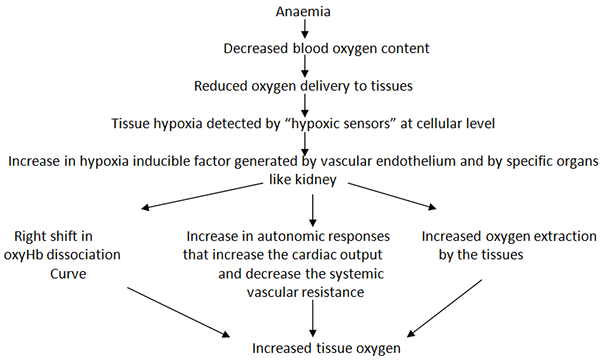
Physiological response to anaemia –

aainteraction

Any factor that interferes with these mechanisms in general and specifically with the increase in cardiac output (β blockade) or local organ specific vasodilatation may disrupt tissue oxygen delivery during acute anaemia (normovolaemic). Although myocardial oxygen consumption increases due to increased heart rate and contractility, an overall reduction in metabolic requirements in other tissues helps to balance oxygen demand and supply. Hence if this situation changes due to any cause like fever, thyrotoxicosis etc., anaemia will cause tissue hypoxia at Hb levels which otherwise would have been tolerated by the patient. Oxygen extraction is an important determinant of adequacy of tissue oxygenation. Normal mixed venous partial pressure of oxygen (PvO2) is 35-45 mm Hg and SvO2 is 72-75%. In chronic anaemia, cardiac output increase maintains a constant arterial to venous oxygen difference and the oxygen extraction ratio is normal (25%). But when there is an acute rise in oxygen demand, the oxygen extraction increases and SvO2 falls along with further possible increase in cardiac output. Acute cardiac failure may result due to excessive strain on the myocardium.

Risk of preoperative anaemia –

The key consequence of acute anaemia is reduced blood oxygen content leading to reduced oxygen delivery to the tissues and hence tissue hypoxia. The exact mechanisms of organ dysfunction and mortality have not been clearly defined. However, experimental studies have demonstrated that acute anaemia can result in reduction in tissue partial pressure of oxygen which supports the hypothesis that tissue hypoxia could be a significant mechanism of anaemia-induced organ injury and mortality. During anaemia, brain and heart (organs critically important for survival) receive preferential oxygen delivery and hence brain oxygen delivery can be maintained at low levels of Hb (approx 3.5 to 4 gm/dL) while kidney, liver and lungs suffer hypoxia at higher Hb levels ( 6 to 7 gm/dL).

Hb thresholds for individual patients for organ injury and mortality are not known. Some tolerate Hb levels near 7 gm/dL but it is also seen that mortality and neurological injury is increased following cardiopulmonary bypass at this Hb. Optimal Hb may be approx 10 gm/dL for patients suffering from neurotrauma or acute coronary syndrome.

In surgical patients with low admission and discharge Hb levels, the clinical evidence of impaired oxygen delivery  can be seen as –

  • Increased postoperative mortality
  • Increased major cardiovascular events
  • Increased length of hospital stay
  • Increased readmission rates
  • Reduced quality of life
  • Impaired functional recovery
  • Increased incidence of wound infection and delayed wound healing.

In addition there could be risk of therapies that impair cardiovascular responses to anaemia, particularly acute β blockade. The POISE (PeriOperative ISchaemia Evaluation) trial emphasized the paradoxical potential for cerebral injury despite myocardial protection in acutely β-blocked (Metoprolol 200 mg given 2 hours before surgery) patients undergoing non-cardiac surgery. The risk of stroke was increased by about 2-fold in β-blocked patients who experienced intraoperative bleeding. A subsequent retrospective analysis also demonstrated a paradoxical increase in acute cardiac events in β-blocked patients who experienced fall in Hb levels. Another study identified an increase in preoperative MI in β-blocked who experienced blood loss and Hb levels < 10 gm/dL. Thus treatment with β-blockers may accentuate the risk of organ ischaemia (brain, heart) in the setting of acute blood loss. The mechanism involved may be global impairment of cardiac output response (β1-blockade) and impaired microvascular dilatation (β2-blockade).

Postoperative Anaemia –

Postoperatively, anaemia resembles anaemia of chronic disease and is probably related to the effects of inflammatory mediators released during and after surgery on the production and survival of RBCs. Proinflammatory cytokines, such as tumour necrosis factor released during
surgery and trauma invoke a response characterized by decreased iron uptake from the gastrointestinal tract and iron sequestration in macrophages, along with a diminished erythroid response to erythropoietin and decreased erythropoietin production.

Other  causes of postoperative anaemia include pre-existing preoperative anaemia and traumatic and surgical blood loss. Also, there is an element of haemodilution occurring as a result of fluid replacement before, during, and after surgery. Normovolaemic haemodilution is well tolerated due to compensatory mechanisms that maintain an adequate myocardial and peripheral tissue oxygenation. On the other hand, hypovolaemic anaemia must be avoided, as the cardiovascular compensatory mechanisms required to maintain oxygen transport in the setting of anaemia are severely compromised.

Risks of Blood Transfusion –

Preoperative autologous donation is generally not cost-effective but may be of value in selected patient populations, such as in patients previously alloimmunized with erythrocyte antibodies. Acute normovolemic hemodilution causes blood losses during surgery to be diluted, thus reducing actual total blood losses. However, evidence on efficacy of acute normovolemic hemodilution is mixed. Reasons for low acceptance include lack of standardized protocols, variations in the target hemoglobin, types of fluids used, heterogeneity in surgical blood losses by procedure, and patient selection criteria. Acute normovolemic hemodilution is most effective in procedures associated with large blood loss. Because some large blood loss surgical procedures may not result in significant blood loss, benefit of acute normovolemic hemodilution may not be realized.The risk of monitored acute normovolemic hemodilution is extremely low and this still favors acute normovolemic hemodilution.

Allogenic blood transfusion continues to be the most frequently used means of treating acute severe intraoperative blood loss. Goal of red cell transfusion is to restore adequate tissue oxygen delivery.

Risks associated with allogenic transfusion are –

  • Febrile non-haemolytic transfusion reaction
  • Allergic reactions – Urticarial rash to anaphylaxis
  • Transfusion related acute lung injury
  • Transfusion related acute circulatory overload
  • Immunomodulation (mild to severe)
  • Death

Multiple studies have shown an association of allogenic blood transfusion with postop infections, prolonged hospital stay, increased morbidity and mortality, increased risk of thrombotic events and decreased disease-free survival in cancer patients.

An interesting factor in the relation between transfusion and outcomes is the shelf life of the blood being transfused. Currently storage of blood for a maximum of 42 days is allowed, but a recent study of patients who received red blood cell transfusions during cardiac surgery found that those who received “older blood” (stored for > 14 days) had significantly higher rates of sepsis, prolonged intubation, renal failure, in-hospital mortality, and 1-year mortality compared with those who received “newer blood” (stored for ≤ 14 days).

These different outcomes are attributed to the so-called storage defect: as blood gets older, it loses components such as 2,3-DPG and adenosine disphosphate, its red cells lose deformability, and it undergoes buildup of cytokines and free hemoglobin.

Considering the risks of both anaemia and allogenic blood transfusion, diagnosis and treatment of acute or chronic anaemia prior to elective surgery may reduce morbidity and mortality associated with both.

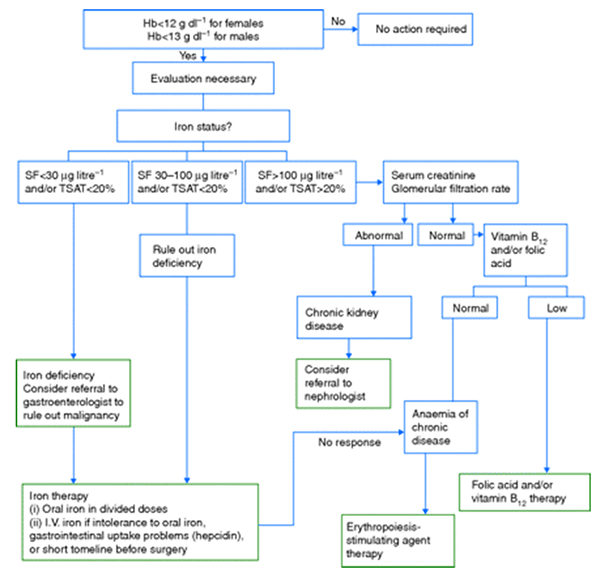
A multidisciplinary panel of physicians was convened by the Network for Advancement of Transfusion Alternatives (NATA) with the aim of developing practice guidelines for the detection, evaluation, and management of preoperative anaemia in elective orthopaedic surgery. NATA algorithm on approach to the diagnosis and treatment of anaemic patients is given below. Recommendations of NATA are as follows –

  • Recommendation 1 – Detection of Anaemia – NATA recommends that elective surgical patients have Hb level determination as close to 28 days before the scheduled surgical procedure as possible (Grade 1C).
  • Recommendation 2 – NATA suggests that the patient’s target Hb before elective surgery be within the normal range according to WHO criteria (≥12gm/dL in females and ≥13 gm/dL in males.
  • Recommendation 3 – NATA recommends that lab testing be performed to further evaluate anaemia for nutritional deficiencies, chronic renal insufficiency and/or chronic inflammatory disease (Grade 1C).
  • Recommendation 4 – NATA recommends that nutritional deficiencies be treated (Grade 1C). An expert panel reviewed the role of IV iron in the management of perioperative anaemia and concluded that patients with preoperative anaemia due to iron deficiency or chronic disease should receive preoperative treatment with oral or IV iron, depending the time scale before surgery, tolerance of oral iron,and iron status.
  • Recommendation 5 – NATA suggests that ESA be used for anaemic patients in whom nutritional deficiencies have been ruled out, corrected or both (Grade 2A).
aainteraction02

Proposed algorithm for the detection, evaluation, and management of preoperative anaemia. SF, serum ferritin; TSAT, transferrin saturation.

NATA also advises that the diagnosis of an unexpected anaemia in patients undergoing elective surgery in which a significant amount of blood loss is expected should be considered as an indication for rescheduling the surgery until evaluation is complete.

Few points to remember about the treatment outlined above are as follows –

  • The major clinical difference between oral and IV iron therapy is the speed of Hb increase (30-40 days vs 7-14 days) and replenishment of iron stores. Maximal oral uptake is 5 to 10 mg/day.
  • With IV iron therapy, effect on Hb levels starts occurring in 1 wk  & maximum effect is achieved in 2 wks.
  • Use of Erythrocyte Stimulating Agents – e.g, recombinant human erythropoietin – ESAs have been studied in orthopaedic and cardiac surgeries. In these patients, ESAs have been shown to increase Hb levels, reduce allogenic transfusions, increase aerobic capacity and improve quality of life. Adverse effects of these agents are increased thrombotic events and cancer progression. So, a graded approach is recommended: ESAs are recommended for unresponsive iron-deficiency anaemia in which a component of anaemia of chronic disease is suspected. Aim of therapy is to increase Hb levels to 10-12 gm/dL in major elective surgeries associated with significant risk of blood loss and requiring blood transfusion.
  • ESAs should not be administered to iron-deficient patients unless iron supplementation is provided adequately simultaneously as some studies suggest that ESA-driven erythropoiesis in an iron-deficient individual may lead to increase in thrombotic event.
  • Since use of ESA is associated with thrombotic events, use of thromboprophylaxis is necessary.

Choice of Anaesthesia –

In anaemic patients who have to be taken up for surgery, the choice of the actual anaesthetic technique employed will depend on the severity and type of anaemia, extent of physiological compensation, concomitant medical conditions, type of surgical procedure to be done and the anticipated blood loss. The main anaesthetic considerations in chronic anaemia are to minimize factors interfering with oxygen delivery and prevent any increase in oxygen consumption.

The principles to be adhered to while giving anaesthesia, whether GA or Regional Anaesthesia can be listed as follows –

  1. Avoidance of hypoxia –
    1. Preoxygenation with 100% oxygen.
    2. Oxygen supplementation in the intra and postoperative periods.
    3. Maintenance of clear and patent airway. This prevents a fall in FiO2 due to airway obstruction.
    4. Spontaneous ventilation be used only for short procedures for fear of hypoventilation.
    5. Aggressive treatment of conditions that increase oxygen demand like fever, shivering and of acute blood losses leading to an acute drop of Hb below 7 gm/dL.
  2. Blunting the sympathetic response to laryngoscopy and intubation during GA.
  3. Minimizing drug-induced decreases in cardiac output –
    1. Intravenous induction of anaesthesia should be slowly titrated to prevent precipitous fall in cardiac output.
    2. Careful positioning of patient to minimize position associated volume shifts.
    3. Mild tachycardia and wide pulse pressure may be physiological and should not be confused with light anaesthesia.
  4. Factors leading to leftward shift of Oxy-Hb dissociation curve (ODC) –
    1. Avoidance of hyperventilation as it causes hypocapnia as well as respiratory alkalosis. Both cause a left shift in ODC.
    2. Avoidance of hypothermia by the use of warming blankets and use of warmed IV fluids, blood and also irrigation fluids.
  5. Monitoring – Should be aimed at assessing the adequacy of perfusion and oxygenation of vital organs. Monitoring should include ECG, NIBP, EtCO2, Pulse oximetry, temperature monitoring, Urine output measurement. CVP, Invasive arterial pressure measurement, estimation of mixed venous O2 (PvO2) and ABG analysis can be used when major losses are anticipated.
    Serial estimation of Hb and Hct values give an idea about ongoing losses.
  6. Regional anaesthesia is preferred for peripheral limb surgery as it is associated with reduced blood loss.
  7. Central Neuraxial Blockade – Can be used judiciously. Problems could be hypotension, haemodilution and subsequent heart failure or pulmonary edema on the return of vascular tone. It is advisable to use vasoconstrictors to sustain blood pressure rather than give high volumes of IV fluids.

Patient Blood Management

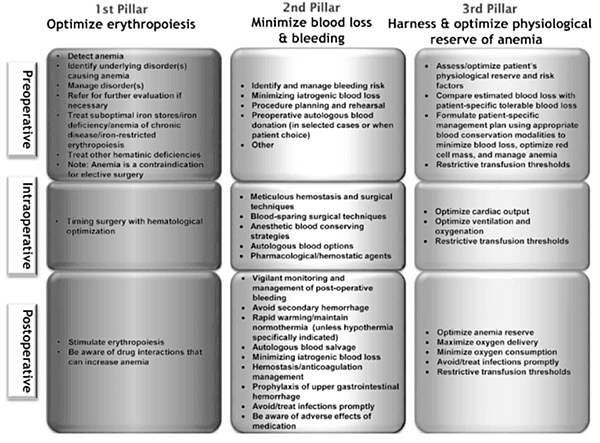
Patient Blood Management (PBM) employs a patient-specific peri-operative multi-disciplinary, multimodal team approach to optimize, conserve and manage patients’ own blood. PBM aims to identify patients at risk of anaemia and provide a managed plan aimed at reducing or even eliminating the need for allogeneic transfusion with an acceptable risk of anaemia and, as a consequence, at improving postoperative outcome. Evaluating the peri-operative period of elective surgical interventions, 98% of all cases of red blood cell transfusions can be predicted if 3 parameters are analysed. These parameters are the pre-operative haemoglobin, blood loss and individual transfusion trigger. Therefore, PBM is fundamentally based on 3 pillars:

  1. Optimization of the (pre-operative) red cell count.
  2. Reduction of diagnostic, interventional and peri-operative surgical blood loss.
  3. Optimizing individual tolerance of anaemia and accurate (restrictive) indication for blood transfusion.
aainteraction03

Patient blood management has recently been recognized by the World Health Organization (World Health AllianceResolution A63.R12) as a means to “promote the availability of transfusion alternatives

References –

  1. Hare G, Baker JE, Pavenski K. Assessment and treatment of Preoperative anaemia.
    Can J Anesth 2011, 58:569-81
  2. Singh S, Gudzenko V, Fink MP. Pathophysiology of perioperative anemia.
    Best Practice & Research Clinical Anaesthesiology2016; 26 : 431–439
  3. Beris P, Munoz M, Garcia-Erce JA, ThomasD, Maniatis A, Vanderlinden P. Perioperative anemia management: Consensus statement on the role of intravenous iron.
    Br J Anaesth 2008; 100(5):599-604
  4. Sear JW, Giles JW, Howard-Alpe G, Foex P. What does the POISE study tell us?
    Br J Anaesth 2008;101(2):135-8
  5. Grewal A. Anaemia and Pregnancy: Anaesthetic Implications.
    Indian J Anaesth 2010;54(5):380-6
  6. Koch CG, Li L, Sessler DI et al. Duration of red cell storage and complications after cardiac surgery. N Eng J Med 2008;358:380-6.
  7. Goodnough LT, Shander A. Patient Blood Management. Anesthesiology 2012; 116:1367-76
  8. Goodnough LT, Maniatis A, Earnshaw P, Benoni G, Beris P, Bisbe E et al. Detection, evaluation and management of preoperative anaemia in the elective orthopaedic surgical patient: NATA guidelines. Br J Anaesth 2011; 106 (1): 13–22
  9. Gombotz H. Preoperative anaemia and patient blood management.
    EACTA 2012 | Abstracts | Invited speakers
  • NUTRITIONAL ANAEMIA

    – Dr. Ramesh Mundle
    Professor, Dept. of Medicine,
    NKPSIMS


    Anemia is the most common of all blood disorders. Anemia results from reduced red blood cell production in the bone marrow. Nutritional anemia is defined as anaemia which occurs when there is a deficiency of one or more of the essential nutrients required for the synthesis of haemoglobin and the production of erythrocytes. Several nutrients are required for erythropoiesis. The World Health Organisation (WHO) defines anaemia as hemoglobin level <13 g/dL in men and <12 g/dL in women.

    Iron, folic acid, vitamin B12, protein, pyridoxine, vitamin C, copper and possibly vitamin E are all necessary for the proper function of the bone marrow. Iron is an essential component of haemoglobin and a large proportion of nutritional anaemia in the world is caused by its deficiency. Iron deficiency tends to be most common when the intake is not enough to meet the demands of growth, e.g. in pregnancy, during infancy and at adolescence. Infections and parasitic infestations are also important; they may interfere with the activity of the marrow, or increase erythropoiesis by causing blood loss or haemolysis. Iron deficiency also occurs in malabsorption syndromes.

    Anaemia (megaloblastic anaemia) due to deficiency of folic acid and vitamin B 12 is much less common. Both folic acid and B 12 Play a key role in cellular metabolism and are needed for the normal development of the erythrocytes in the bone marrow. Folic acid deficiency is more common than that of vitamin B 12, and is mostly seen during pregnancy, when the demands of the fetus are added to those of the other. Apart from pregnancy, deficiencies of folic acid and B 12 are rare except in Malabsorption and in certain diseases of the bowel as, for example, tropical sprue.

    Anemia is a widespread public health problem associated with an increased risk of morbidity and mortality, especially in pregnant women and young children. It is a disease with multiple causes, both nutritional (vitamin and mineral deficiencies) and non-nutritional (infection) that frequently co-occur.

    Prevalence of nutritional anaemia in ASIA

    10 % adult males.

    30-50 % adult females.

    The rates are higher amongst pregnant women reaching 37 – 75 % in certain regions of India, Pakistan and Bangladesh. 50% children. The rates are higher in children under the age of 2 years.

    Daily dietary requirement of iron

    Male1 mg
    Adolescents2-3 mg
    Female (15 to 45 years)2-3 mg
    Pregnancy3-4 mg
    Infancy1 mg
    Maximum bioavailability from normal diet4 mg

    Dietary requirement for folateSafe level of intake (μg/24h)
    Adult males200
    Adult females170
    Pregnancy370-470
    Lactation270
    Children 1-6 years50
    7-12 years102
    13-16 years170

    Daily requirement of vitamin B12 GroupSafe level of intake (ug/24 h)
    Adults1.0
    Pregnancy1.4
    Lactation1.3
    Infants0.1
    Children 1-10 years0.04 ug/kg
    Children 11-161.0

    Symptoms of Nutritional anemia

    Symptoms of anemia are usually very vague and hence, it goes undetected in many people. People tend to ignore these symptoms until they become quite disturbing.

    • Tiredness
    • Pallor
    • Rapid heart beats
    • Headaches
    • Dizziness
    • Shortness of breath
    • Nervousness
    • Depression
    • Poor concentration
    • Weak memory
    • Easy bruising of body parts
    • Slow healing of wounds
    • Worsening of symptoms of other diseases
      • Angina – heart pain from insufficient oxygen
      • Claudication – cramped pains in muscles being used.
      • Pica – the consumption of non-food items like wax, dirt, paper is often a symptom of anemia.

    Vitamin B12 neuropathy

    A minority of patients with vitamin B12 deficiency develop a neuropathy due to symmetrical damage to the peripheral nerves, and posterior and lateral columns of the spinal cord. The legs are usually more affected than the arms. Psychiatric abnormalities and visual disturbances may also occur.

    Some of the most common causes of nutritional anemia are:

    • Iron deficiency
    • Vitamin B12 , Folic acid deficiencies (these usually occur together)
    • Faecal blood losses due to intestinal parasites (Necator americanus , Ancylostoma duodenale Trichuris trichuria)
    • Lead toxicities
    • Infectious diseases like malaria
    • Alcoholism
    • Vitamin E and B6 deficiencies.
    • Premature born infants.
    • Medications which
      • Prevent iron absorption from the gut e.g. ‘proton pump inhibitors’ in treating acidity, tetracycline etc.
      • Cause chronic, mild bleeding from the gut e.g. NSAIDs (ibuprofen, naproxen used widely as pain-killers).
      • Aspirin is another widely used medication known to cause mild to moderate bleeding from the gut.
      • Hydrocortisones and valproic acid are drugs which cause folic acid deficiencies.
      • Vitamin B12 deficiency can be caused by drugs like amoxicillin (antibiotic), and phenytoin (anti-convulsive).

    Risk factors for nutritional anemia:

    Ones chances of developing anemia increase particularly if they are:

    • Menstruating and having heavy bleeding or excessively long periods (monthly blood loss depletes iron)
    • Pregnant
    • Lactating
    • Athletes (especially endurance athletes)
    • An alcoholic
    • Vegetarians or vegans
    • Using nonprescription drugs and natural remedies whose side-effects are less known.
    • Habituated to having tea in excess (tannin in tea causes decreased absorption of iron)
  • Diagnosis of Nutritional anemia:

    Anemia is diagnosed through blood checkups and clinical examination.

    A simple blood test called “complete blood count (CBC)” provides an idea of the hemoglobin count and type of anaemia. Other tests required of anemic patients are

    Treatment for Nutritional anemia:

    A balanced and nutritious diet can go a long way in reversing anemia.

    Cooking in iron pots and pans can also increase the amounts of iron consumed.

    Vitamin C can enhance iron absorption in the body. So, a diet rich in vitamin C consisting of fresh fruits and vegetables (amla, guavas, limes, oranges, tomatoes, cabbages, etc.) should be maintained as well.

    Medications

    In conclusion, nutritional anaemias are the second largest group of nutritional disorders after protein-energy malnutrition. The individual is most vulnerable at those periods of life when the requirements for nutrients are increased because of the demands of growth. In many parts of the tropics nutritional anaemia is particularly common on account of inadequate nutrition and super-added parasitic or helminthic infections which further increase the requirements of nutrients. The present improvement has been brought about by better standards of health care, especially during infancy and pregnancy, and better nutrition, together with public health measures.

    References

  • HEMOLYTIC ANAEMIAS: A BRIEF OVERVIEW

    Dr. Avinash Pophali
    Haematologist & Medical Oncologist & BMT Consultant,
    Director, Central India Institute of Haematology & Oncology (CIIHO)


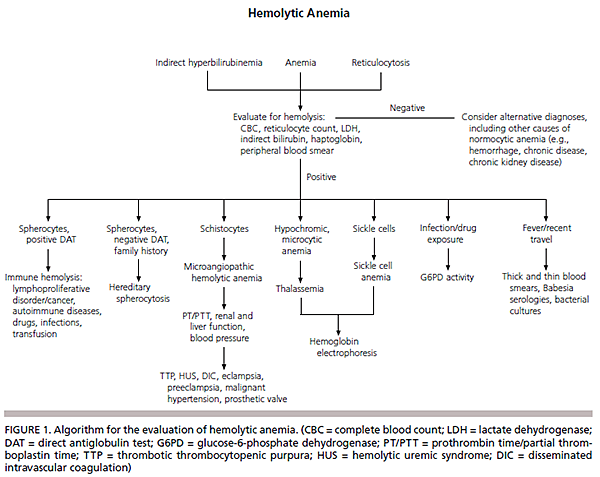
    Hemolysis is the destruction or removal of red blood cells from the circulation before their normal life span of 120 days. While hemolysis can be a lifelong asymptomatic condition, it most often presents as anemia when erythrocytosis cannot match the pace of red cell destruction. Hemolysis also can manifest as jaundice, cholelithiasis, or isolated reticulocytosis.

    Pathophysiology

    There are two mechanisms of hemolysis. Intravascular hemolysis is the destruction of red blood cells in the circulation with the release of cell contents into the plasma. Mechanical trauma from a damaged endothelium, complement fixation and activation on the cell surface, and infectious agents may cause direct membrane degradation and cell destruction. The more common extravascular hemolysis is the removal and destruction of red blood cells with membrane alterations by the macrophages of the spleen and liver. Circulating blood is filtered continuously through thin walled splenic cords into the splenic sinusoids (with fenestrated basement membranes), a spongelike labyrinth of macrophages with long dendritic processes.1 A normal 8-micron red blood cell can deform itself and pass through the 3-micron openings in the splenic cords. Red blood cells with structural alterations of the membrane surface (including antibodies) are unable to traverse this network and are phagocytosed and destroyed by macrophages.

    History and Physical Examination

    Anemia most often is discovered through laboratory tests, but the history and physical examination can provide important clues about the presence of hemolysis and its underlying cause. The patient may complain of dyspnea or fatigue (caused by anemia). Dark urine and, occasionally, back pain may be reported by patients with intravascular hemolysis. The skin may appear jaundiced or pale. A resting tachycardia with a flow murmur may be present if the anemia is pronounced. Lymphadenopathy or hepatosplenomegaly suggest an underlying lymphoproliferative disorder or malignancy; alternatively, an enlarged spleen may reflect hypersplenism causing hemolysis. Leg ulcers occur in some chronic hemolytic states, such as sickle cell anemia.

    Diagnostic Testing

    HEMATOLOGIC TESTS

    Along with anemia, a characteristic laboratory feature of hemolysis is reticulocytosis, the normal response of the bone marrow to the peripheral loss of red blood cells. In the absence of concomitant bone marrow disease, a brisk reticulocytosis should be observed within three to five days after a decline in hemoglobin. In a minority of patients, the bone marrow is able to chronically compensate, leading to a normal and stable hemoglobin concentration. The anemia of hemolysis usually is normocytic, although a marked reticulocytosis can lead to an elevated measurement of mean corpuscular volume, because the average mean corpuscular volume of a reticulocyte is 150 fL.2 Review of the peripheral blood smear is a critical step in the evaluation of any anemia. Along with an assessment for pathognomonic red blood cell morphologies, such as spherocytes or schistocytes, examination of the white blood cells and platelets for coexisting hematologic or malignant disorders is essential.

    CHEMISTRY TESTS

    The destruction of red blood cells is characterized by increased unconjugated bilirubin, increased lactate dehydrogenase, and decreased haptoglobin levels. Lactate dehydrogenase and hemoglobin are released into the circulation when red blood cells are destroyed. Liberated hemoglobin is converted into unconjugated bilirubin in the spleen or may be bound in the plasma by haptoglobin. The hemoglobin-haptoglobin complex is cleared quickly by the liver, leading to low or undetectable haptoglobin levels.

    URINARY TESTS

    In cases of severe intravascular hemolysis, the binding capacity of haptoglobin is exceeded rapidly, and free hemoglobin is filtered by the glomeruli. The renal tubule cells may absorb the hemoglobin and store the iron as hemosiderin; hemosiderinuria is detected by Prussian blue staining of sloughed tubular cells in the urinary sediment approximately one week after the onset of hemolysis. Hemoglobinuria, which causes red-brown urine, is indicated by a positive urine dipstick reaction for heme in the absence of red blood cells.

    hemolytic-anaemia


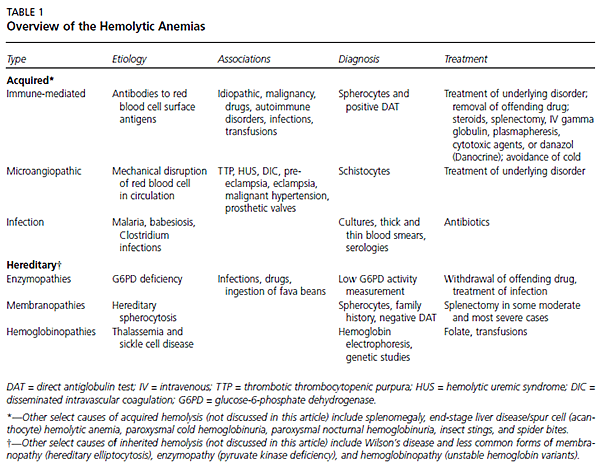
    hemolytic-anaemia-overview
  • New Team of ISA – Nagpur City Branch for Year 2014-15

    New Team of office bearers and executive members of ISA – Nagpur City Branch for the year 2014-15 was elected on 14th December 2013 in the General Body Meeting. The notification for the election was sent to all members of society on 1st November 2013. Last day for submission of forms was 30th November 2013. Withdrawal of candidature was allowed till 5th December. Elections (if required) by secret ballot were scheduled on 14th December 2013. All the candidates were elected unopposed as only one eligible form was received for each post advertised in election notification.

    The Team for the year 2014-15 is as follows:
    1) Dr Narendra Tamhane (Vice President/President Elect for the year 2013-14) will be next President of ISA – Nagpur City Branch for the year 2014-15.
    2) Dr B.M. Rajurkar will be Vice President/President Elect for the year 2014-15.
    3) Dr Saurabh Barde (Honorary Secretary for the year 2013-14) continues to be on the same post for one more year.
    4) Dr Vikram Alsi (Honorary Treasurer for the year 2013-14) continues to be on the same post for one more year.
    5) Dr Rashmi Shingade will be Joint Secretary for the year 2014-15.
    6) Dr Gauri Arora – Executive member for the year 2014-15
    7) Dr Kamlakar Pawar – Executive member for the year 2014-15
    8) Dr Gunjan Badwaik – Executive member for the year 2014-15
    9) Dr Devayani Thakur – Executive member for the year 2014-15
    10) Dr Archana Munishwar – Executive member for the year 2014-15
    11) Dr Alkesh Soni – Executive member for the year 2014-15
    12) Dr C.S. Cham – Special Executive member for the year 2014-15

  • ISA – Nagpur City Branch conducts Paper Presentation Competition

    Indian Society of Anaesthesiology – Nagpur City Branch conducted ‘Paper Presentation Competition’ for post graduate students in anaesthesiology in Dec 2013. This is annual activity of ISA Nagpur City Branch held in the month of December. The students who participated in the competition included Dr Nitin Chopde, Dr Chanda Salame, Dr Abhishek Kumar, Dr Surabhi Lande (all from NKPSIMS, Nagpur), Dr Vishal Taur, Dr Bhushan Ambare and Dr Jaideep Sonowal (all from IGGMC, Nagpur). Dr B.M. Rajurkar, Dr Soma Cham and Dr Abhiruchi Patki were judges for the competition. All the participants presented their original work of research in the competition. Dr Surabhi Lande bagged the first prize and Dr Bhushan Ambare was adjudged as second winner. All the participants were given certificate of participation at the hands of the Preident of ISA – NCB, Dr Charuta Gadkari. Dr Saurabh Barde, Hon Secretary of ISA – NCB, conducted the program and proposed vote of thanks. The program ended with national anthem.

  • 1st Maharashtra State Biennial CME – 2013

    ISA – Nagpur City Branch hosted 1st ISA Maharashtra State Biennial CME – 2013 on 23rd and 24th November 2013 at J.R. Shaw auditorium, IMA House, Nagpur. Maharashtra Medical Council had granted FOUR credit points for this CME. Total 376 delegates from all over Maharashtra attended the CME. The theme for the CME was – “Let’s Share…Knowledge & Experience”.

    The Inauguration of CME was done at the hands of Dr Rani Bang, Social activist and founder of NGO – SEARCH, Gadchiroli. In her address, Dr Rani Bang emphasized the urgent need of anaesthesiologists in rural areas. She also requested the anaesthesiology society to take efforts to remove shortage of anaesthesiologists in rural areas. Dr Deepak Tempe, Dean MAMC, New Delhi was Guest of honor. Dr Charuta Gadkari, President of ISA – Nagpur City Branch and Organising Chairperson of the CME welcomed all. President of Maharashtra State Chapter of ISA, Dr Satish Deshpande delivered President’s address. At this occasion, State Newsletter – MISANEWS was released at the hands of Chief Guest, Dr Rani Bang. Dr Shubhada Deshmukh, Chairperson of the Scientific Committee and her team took great efforts to make very good scientific program. E – Souvenir of the CME was released at the hands of Guest of Honor, Dr Deepak Tempe. Dr Saurabh Barde, Hon Secretary of ISA – Nagpur City Branch and Organising Secretary of the CME proposed vote of thanks.

    ISA – Nagpur City Branch sponsored ‘Late Dr R.K. Pradhan Memorial Oration’ was introduced in the CME. The first oration was delivered by Dr Deepak Tempe, Dean, MAMC, New Delhi and prestigious B.C. Roy award winner. The topic for oration was ‘Introduction to TEE’. The scientific program also consisted of didactic lectures by eminent faculties, Case Based Learning session on ‘Septic patient requiring Surgery’ by Dr Vijaya Patil, Panel discussion on ‘Controversies in Obstetric Anaesthesia’ moderated by Dr Ketan Parikh and debate session. For post graduate students in anaesthesiology, session on paper and poster presentations was also conducted at the CME.

    The faculties other than abovementioned names for CME constituted Dr Indrani Hemantkumar, Dr Kalpana Kelkar, Dr B.D. Bande, Dr Pratibha Kane, Dr Satish Deshpande, Dr Balaji Asegaonkar, Dr C.S. Cham, Dr Pratibha Deshmukh, Dr Ashok Deshpande, Dr Naresh Tirpude, Dr Sawargaonkar, Dr Atul Kulkarni, Dr Vandana Agrawal, Dr Sadhana Kulkarni, Dr Akhilesh Sangawar, Dr Nilima Gandhe, Dr Kshama Valsangkar, Dr Hitendra Mahajan, Dr Shakil Momin, Dr Vidyanand Chavan, Dr Chandrashekhar Khairnar, Dr Archan Deshpande, Dr Abhiruchi Patki, Dr Rajendra Sonone, Dr Sudha Jain, Dr Sandeep Diwan, Dr Nandini Dawe, Dr Sandeep Mutha and Dr S.K. Deshpande.

    The proceedings also included meeting of Office Bearers and Governing Council members in the M.T. Paithankar hall. Annual General Body Meeting was held in J.R. Shaw Auditorium which was chaired by Dr Satish Deshpande, President MSCISA. Dr Hitendra Mahajan, Hony Secretary of MSCISA conducted the proceedings.

    On the 23rd November evening, everybody enjoyed cultural program and musical night. All the singers for the Musical Orchestra were members of ISA – Nagpur City Branch and included Dr Sachin Makade, Dr Gauri Arora, Dr Abhiruchi Patki, Dr Sandeep Meshram, Dr Rashmi Shingade, Dr Mrunalini Ballal, Dr Sachin Sadavarte, Dr Ravi Mundhada, Dr Rohini Deshpande, Dr CS Cham, Dr Smita Harkare and Dr Kiran Vyawhare.

    CME concluded with the valedictory function. Most of the office bearers, faculties and delegates expressed satisfaction about venue, scientific program, food, accommodation and overall hospitality. Prizes were given to the winners of debate, paper presentation and poster presentation. Dr Archana Deshpande was winner and Dr Abhiruchi Patki was awarded second prize in debate competition. Organising Secretary Dr Saurabh Barde proposed vote of thanks. The program ended with National Anthem.

    The CME got overwhelming response from all the delegates with their active participation and was a grand success. Dr Anil Laddhad was MMC observer for the CME.